All posts by rayjudesmith

Salute to Wave Rock!June 2021

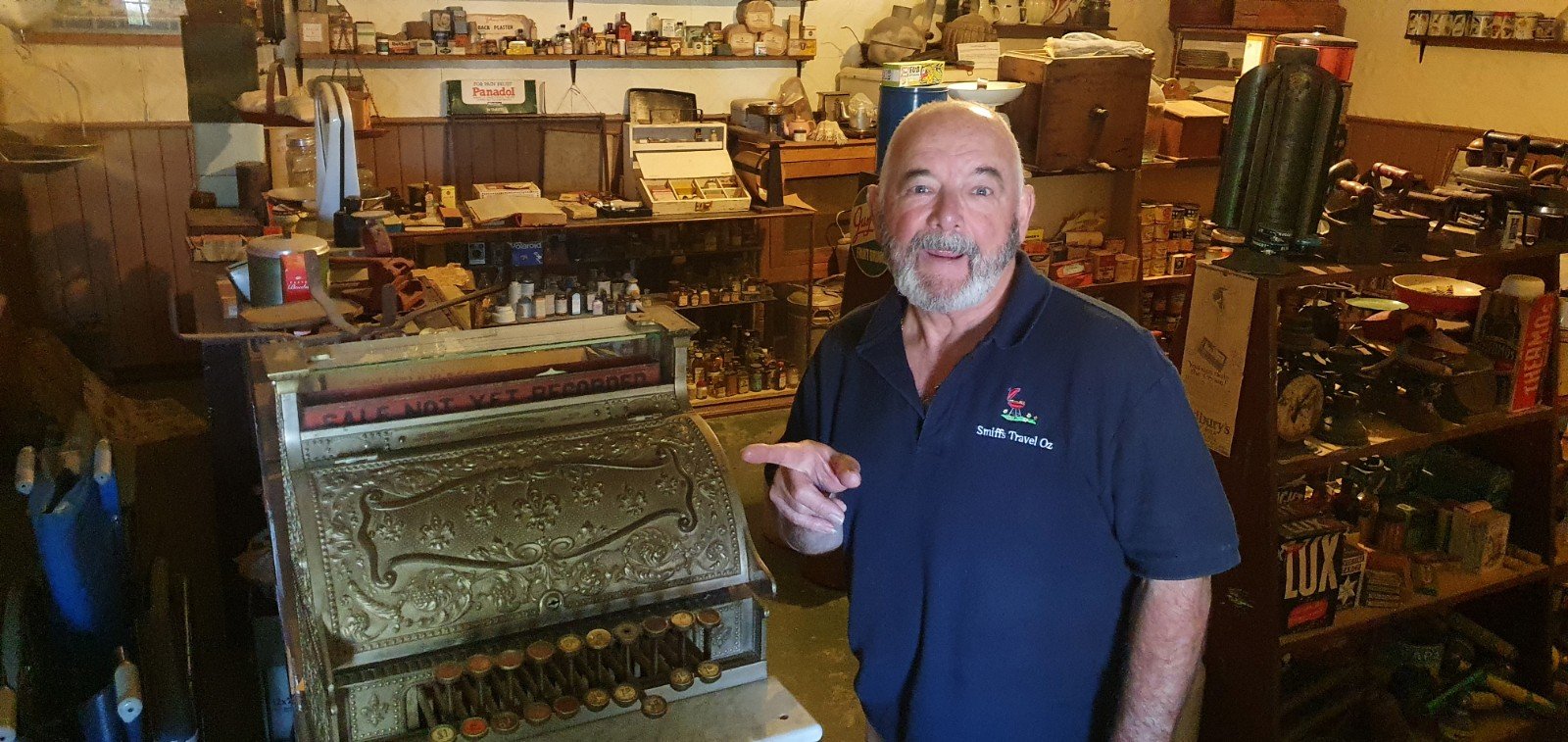
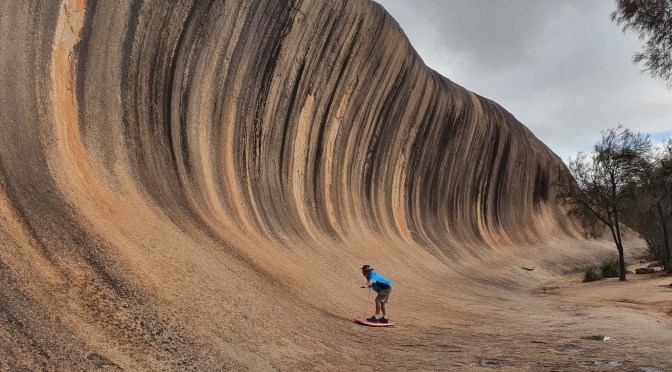
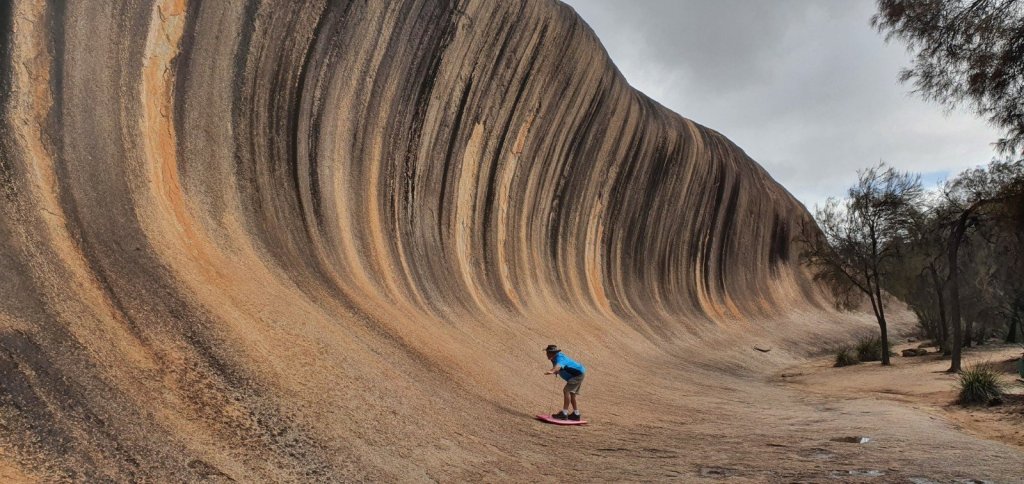
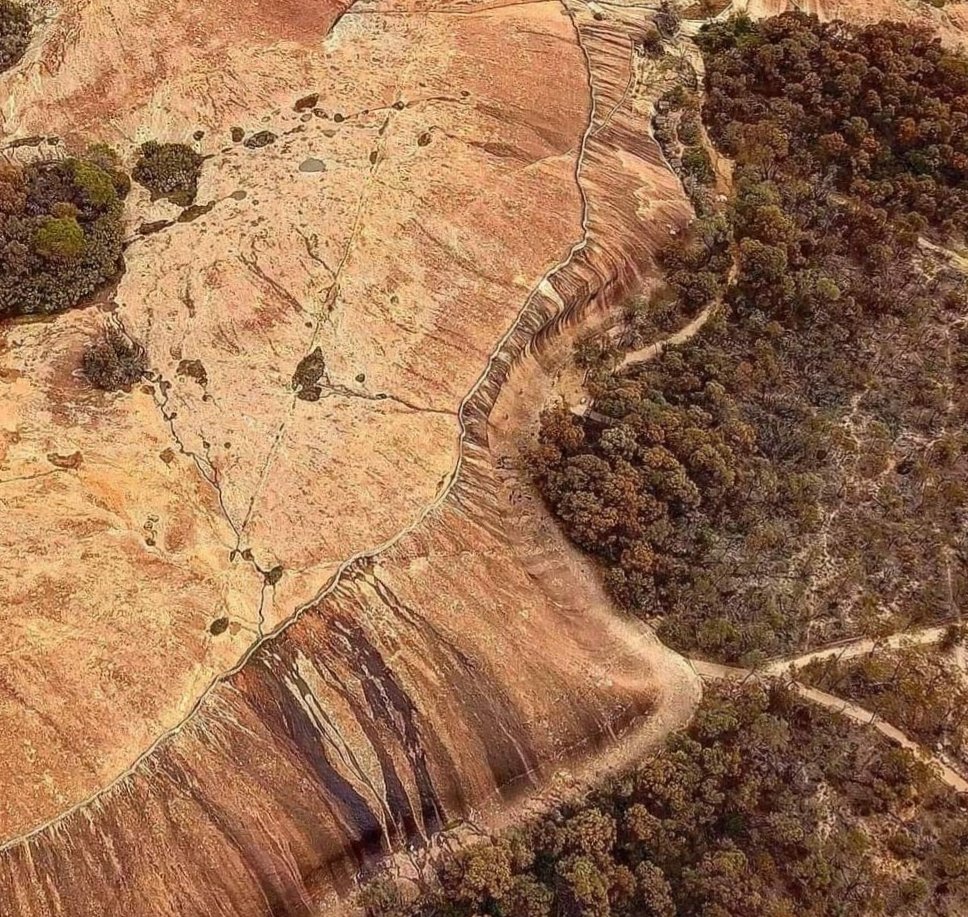
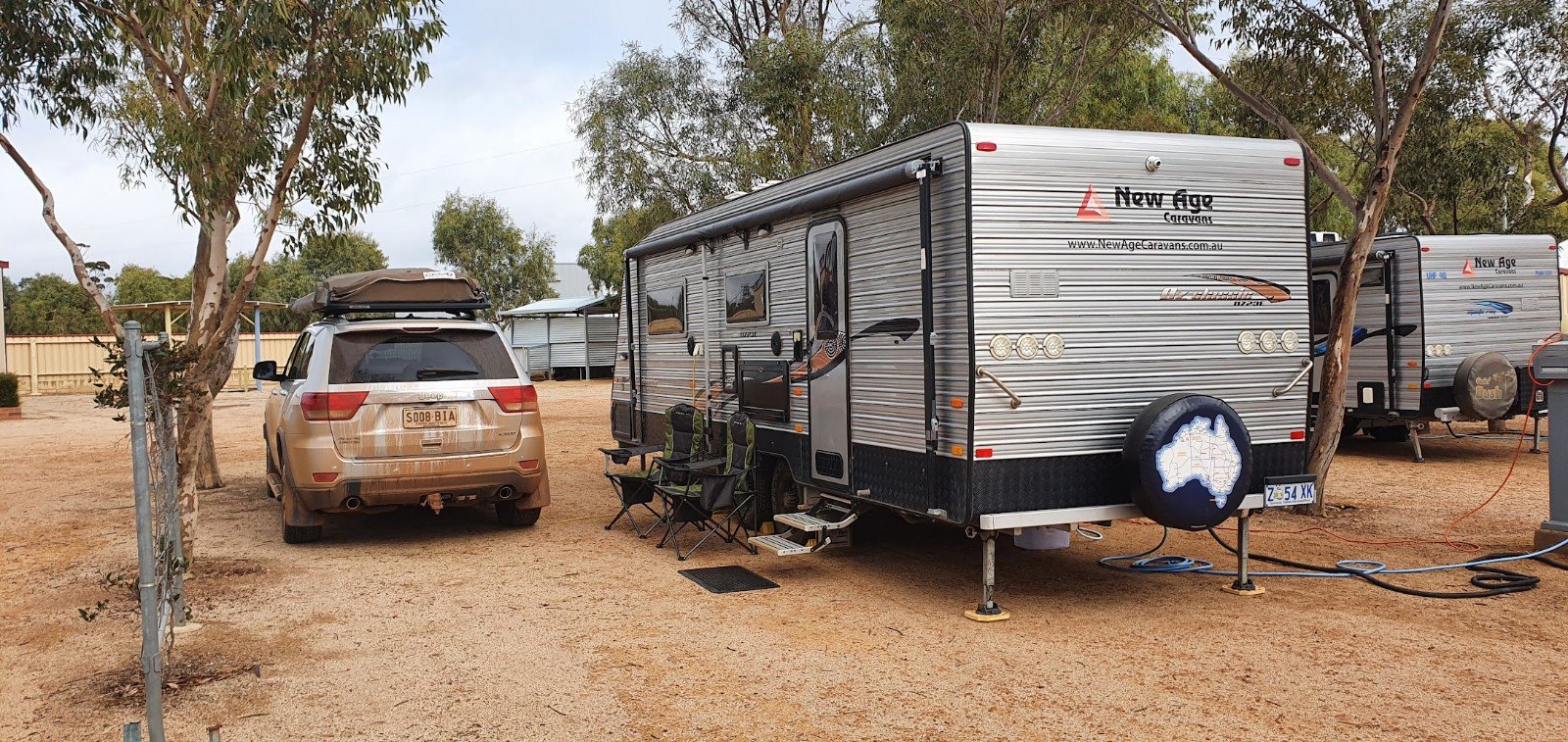
Wave Rock – a bucket list item. We had been trying to get here for years and finally made it on this trip. Rising 15 metres from the ground and more than 100 metres long, the rock looks like a giant surf wave of multicoloured granite about to crash onto the bush below. It’s believed this amazing formation was more than 2,700 million years in the making. It is located near the Wheatbelt town of Hyden, 340 kilometres south-east of Perth. We stayed at a place called Tressies Museum and Caravan Park which was a 15 minute drive from the rock.  It is owned and run by Charlie and his mum Laurel. They had a small museum on site showcasing a variety of items in use from years gone by.  (Update 2022 – Tressies is now closed permanently.)
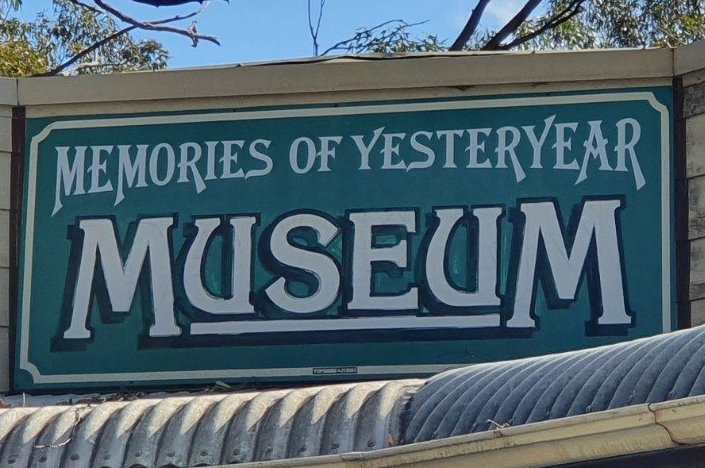
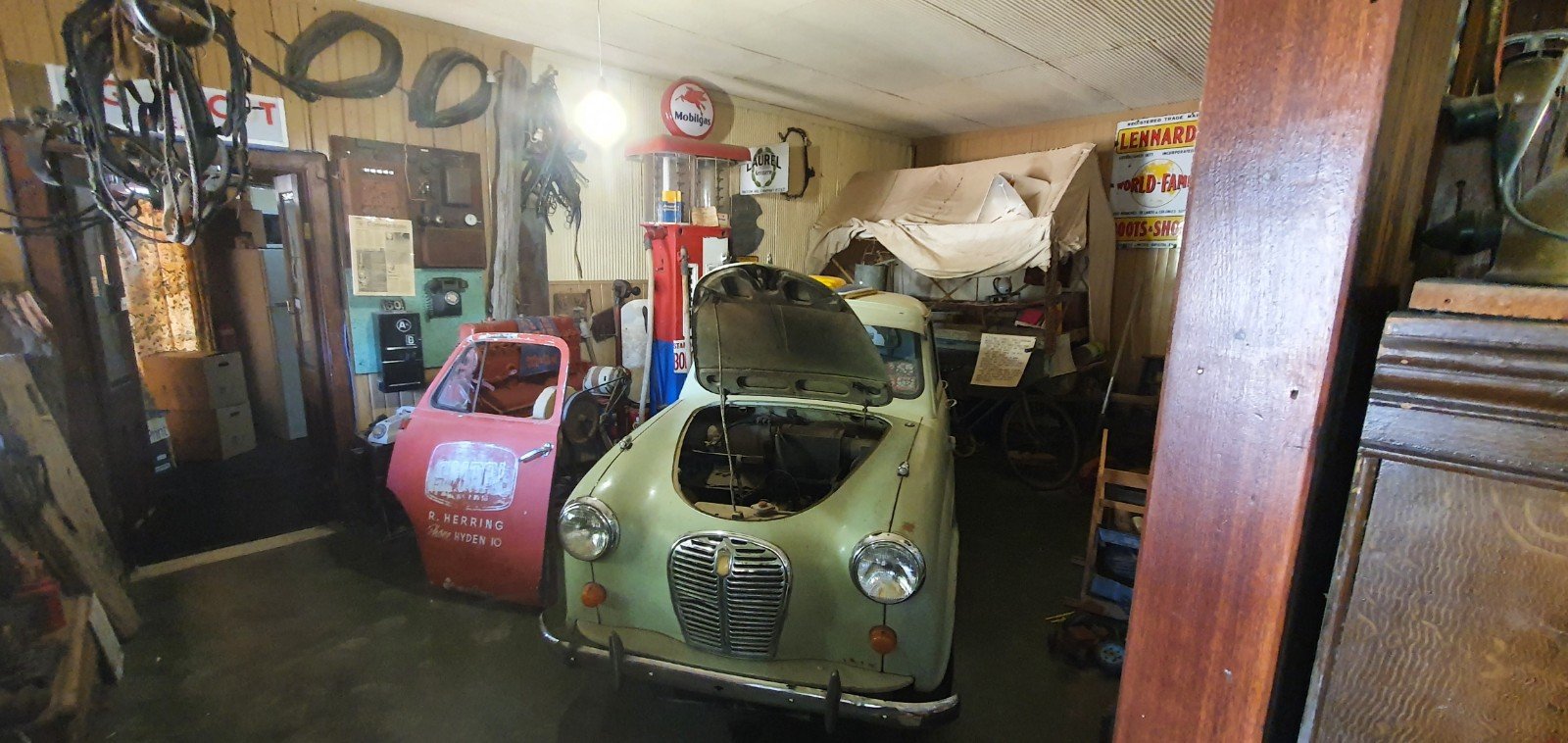
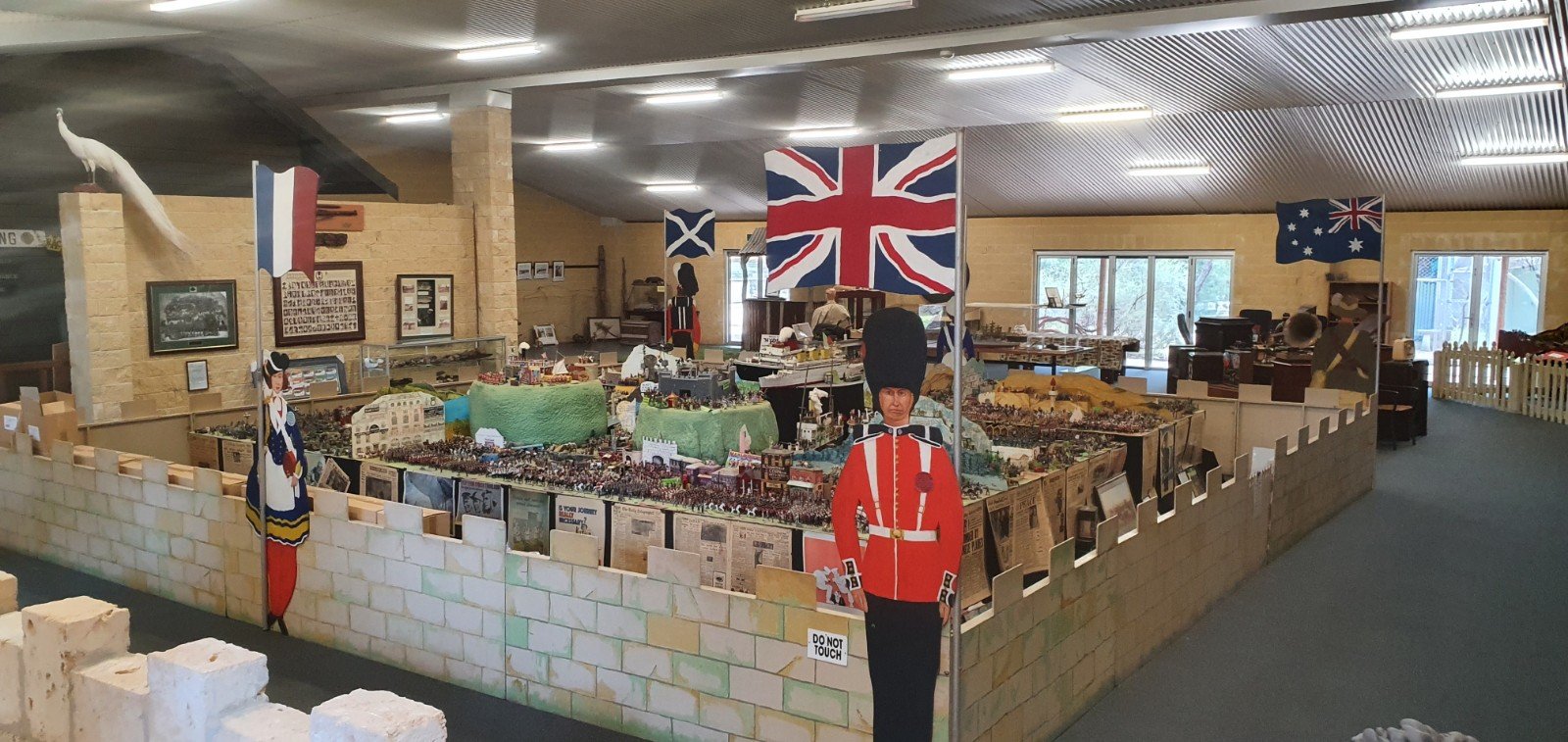
Next to the entrance to Wave Rock were two museums – Memories of Yesteryear and Miniature Soldier Military Display. Both interesting and well worth the time to look around.

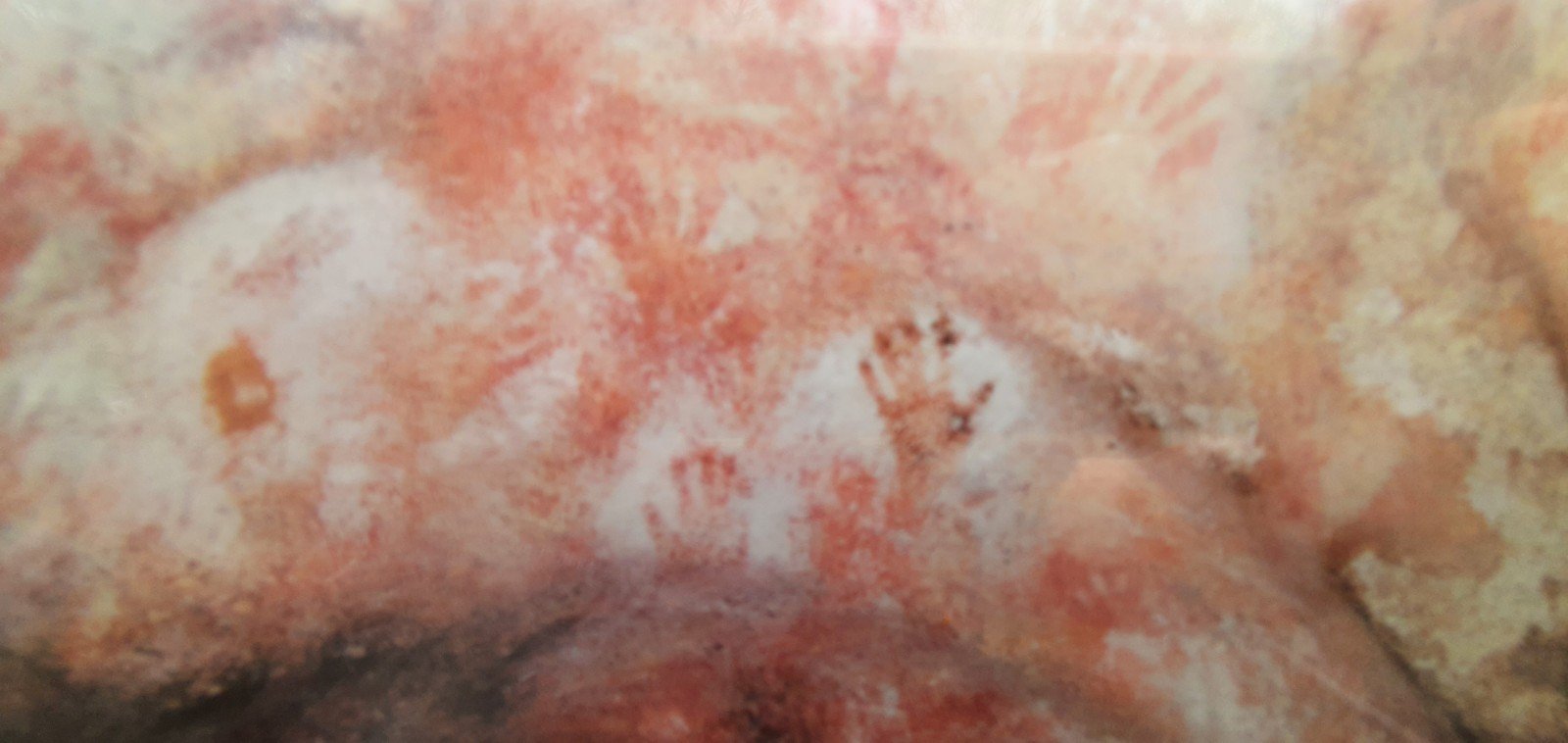
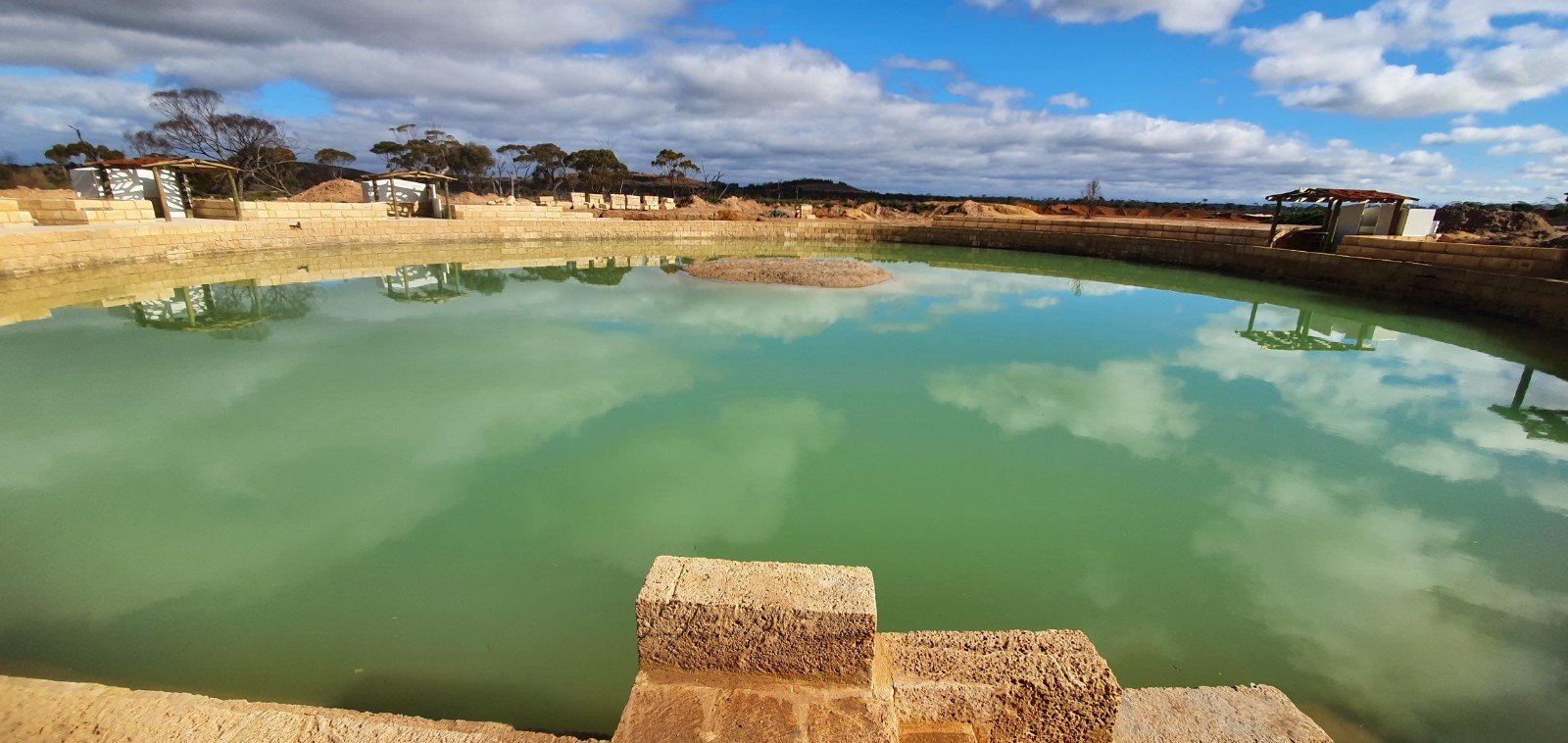
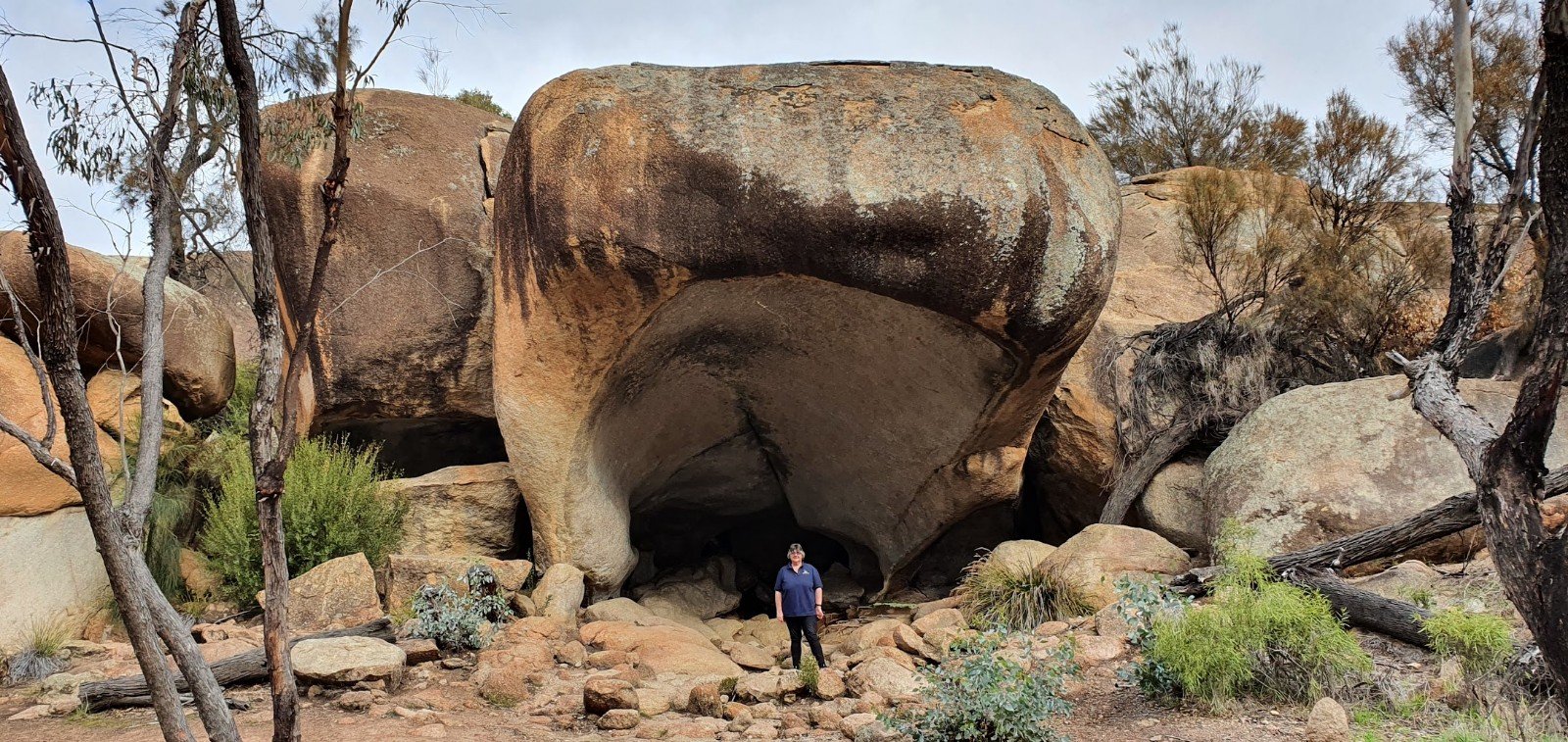
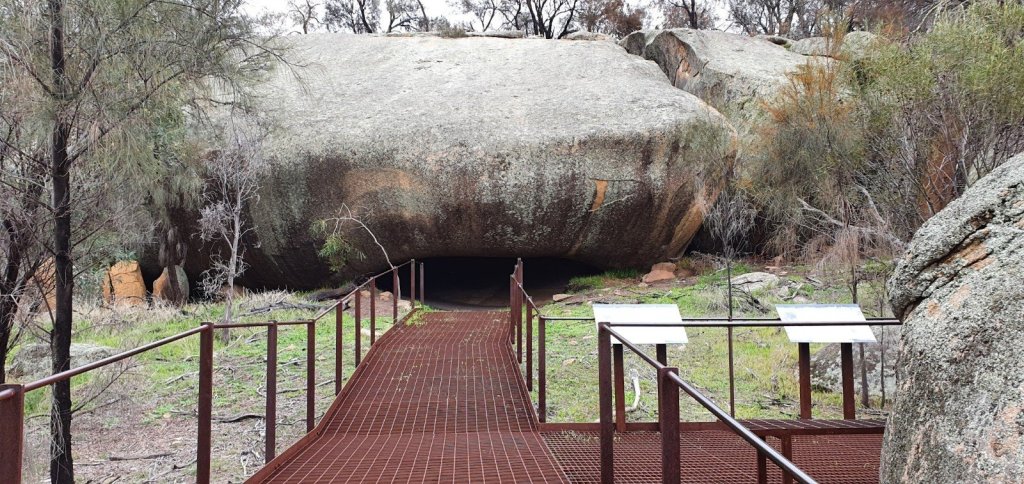
We also checked out Hippo’s Yawn – a stony outcrop looking like a Hippo yawning, Mulka’s Cave – The name comes from the aboriginal legend of Mulka and inside you can see the imprints of his hands, much larger and higher than that of an ordinary man. Lake Magic, a colour changing salt lake. There is an awesome floating pool at the Wave Rock Resort, next to Lake Magic. The water of this natural pool has a beautiful turquoise colour and is full of minerals and salt, so much of it that it will keep you afloat.
Bunbury to Albany

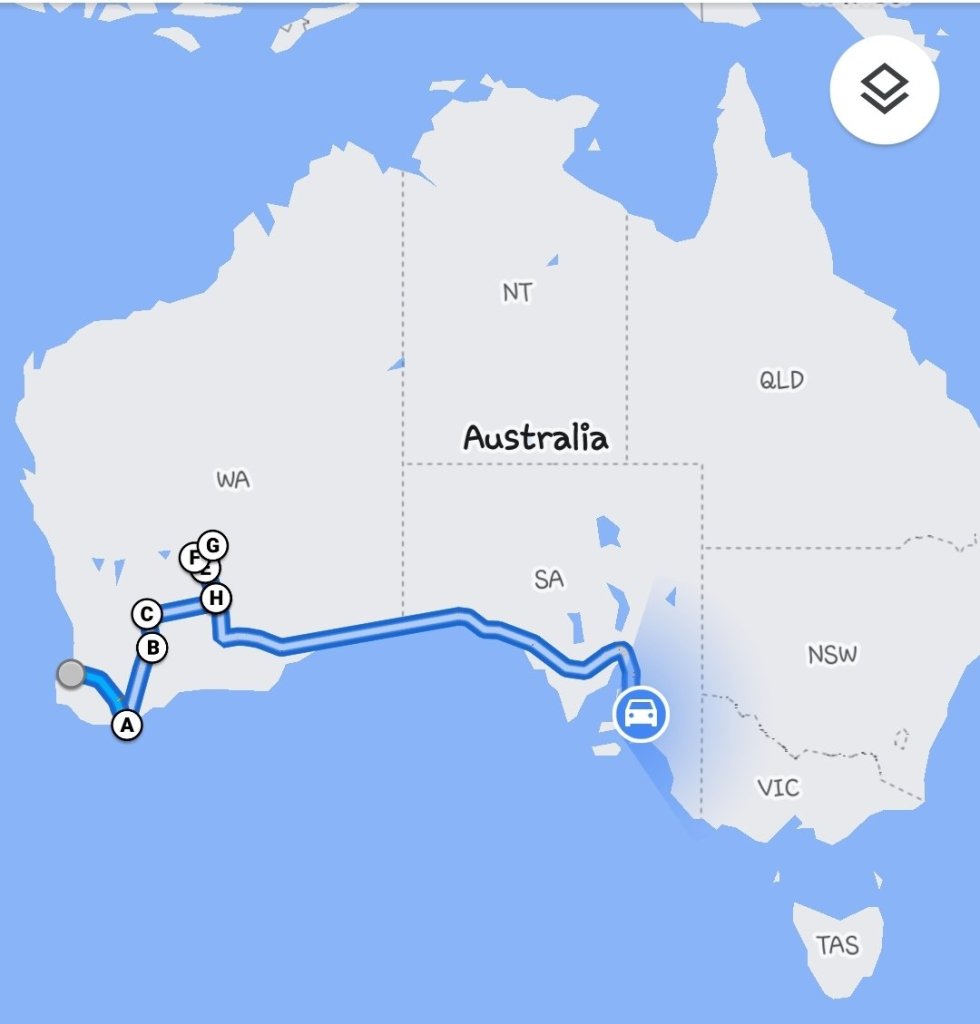
May 2021 – we set off to Albany. We are slowly making our way to South Australia. Heading there via Albany, Hyden, Westonia, Menzies, Kalgoorlie, Cocklebiddy, Head of Bight, Nullarbor Roadhouse, Ceduna, Port Augusta, Clare and Adelaide. A journey of approximately 4000 kilometres.

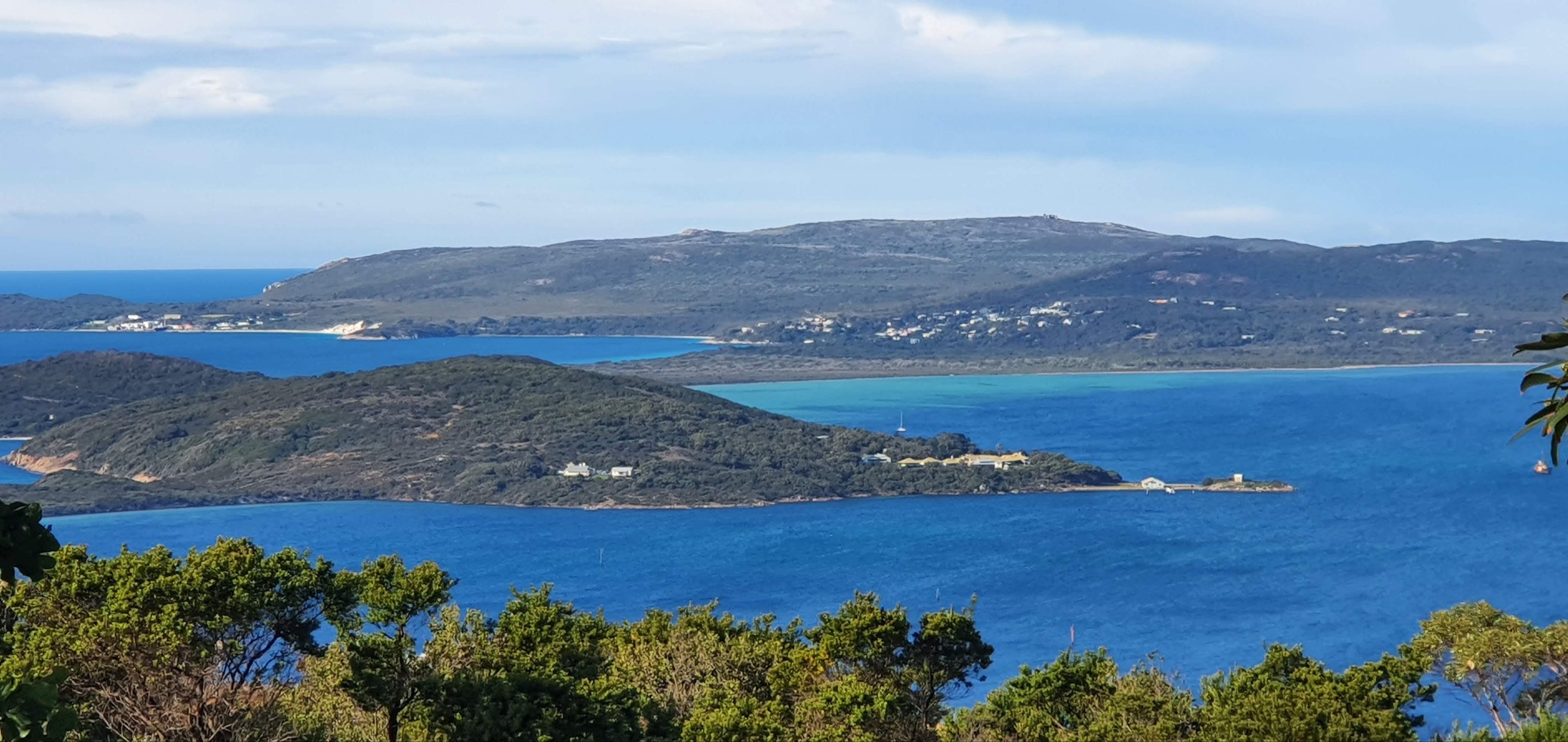
Albany sits on the south coast of Western Australia. Before European settlement, the Albany region was inhabited principally by the Menang Aborigines of the larger Noongar group. The area was called Kinjarling which means “place of rain”.  Evidence of an Aboriginal presence in the area dates back to about 25,000 years.

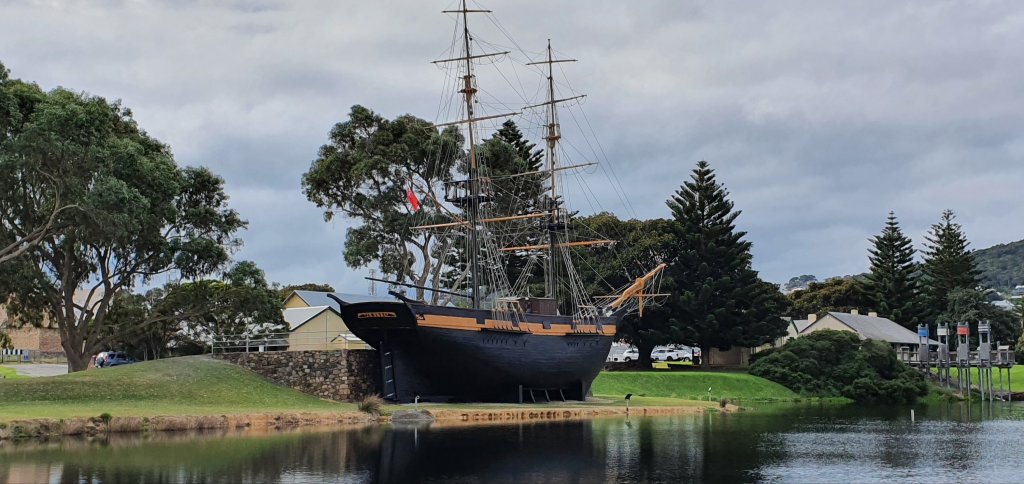
In December 1826, Major Edmund Lockyer arrived on the brig Amity to establish a military outpost at Mammang-Koort/ King George Sound.  On the 21st of January 1827, an official ceremony was held proclaiming the foundation of the first settlement in Western Australia.

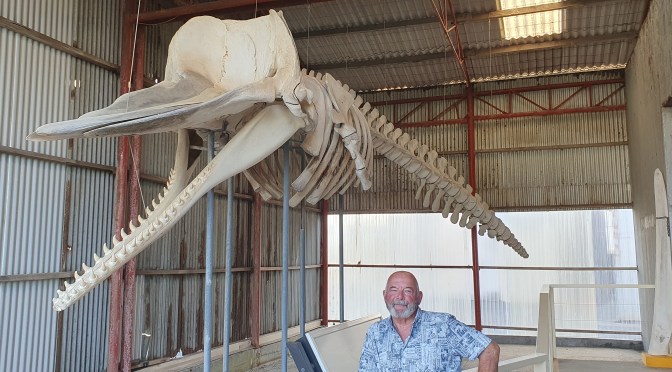
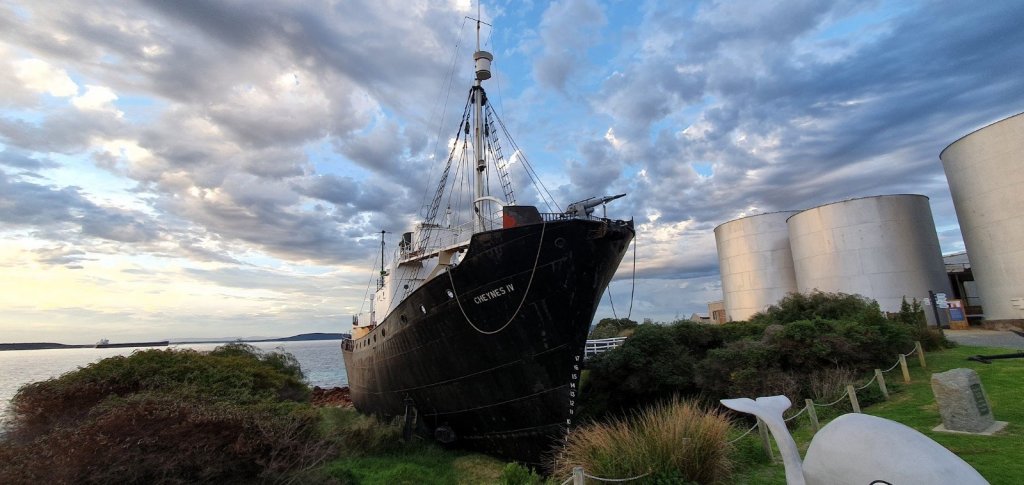
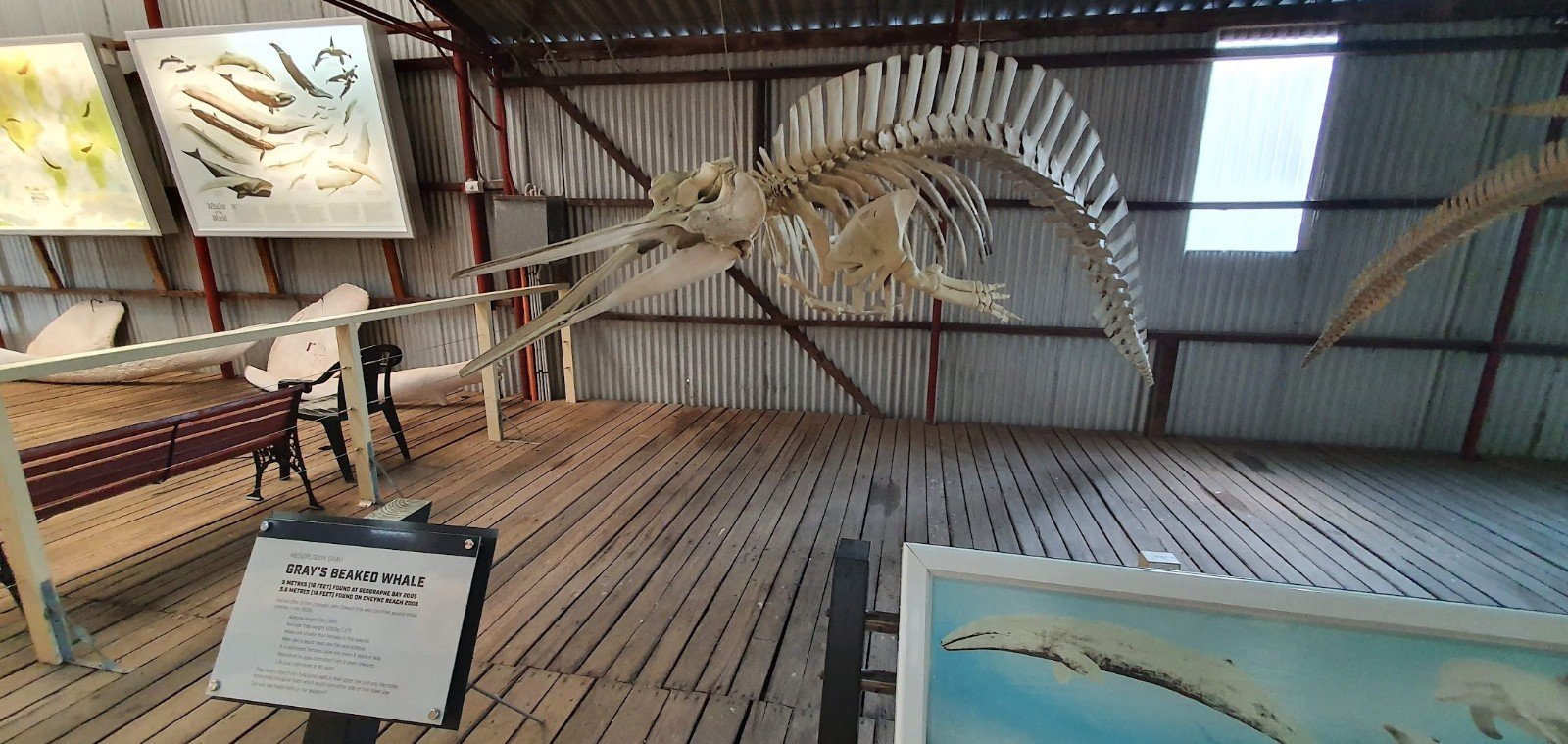
In 1952, the Cheynes Beach Whaling Company began its operations at Frenchman Bay, continuing until 21st November 1978, when the Cheynes II, Cheynes III and Cheynes IV berthed at the Albany Town Jetty after their last whale hunt.  The last shore based whaling station in Australia closed and 178 years of whaling in Albany waters came to an end.
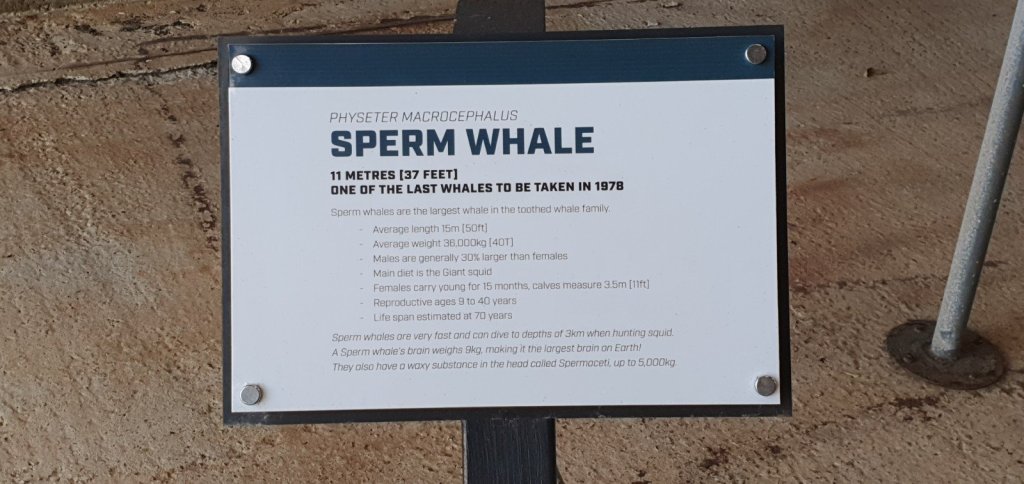
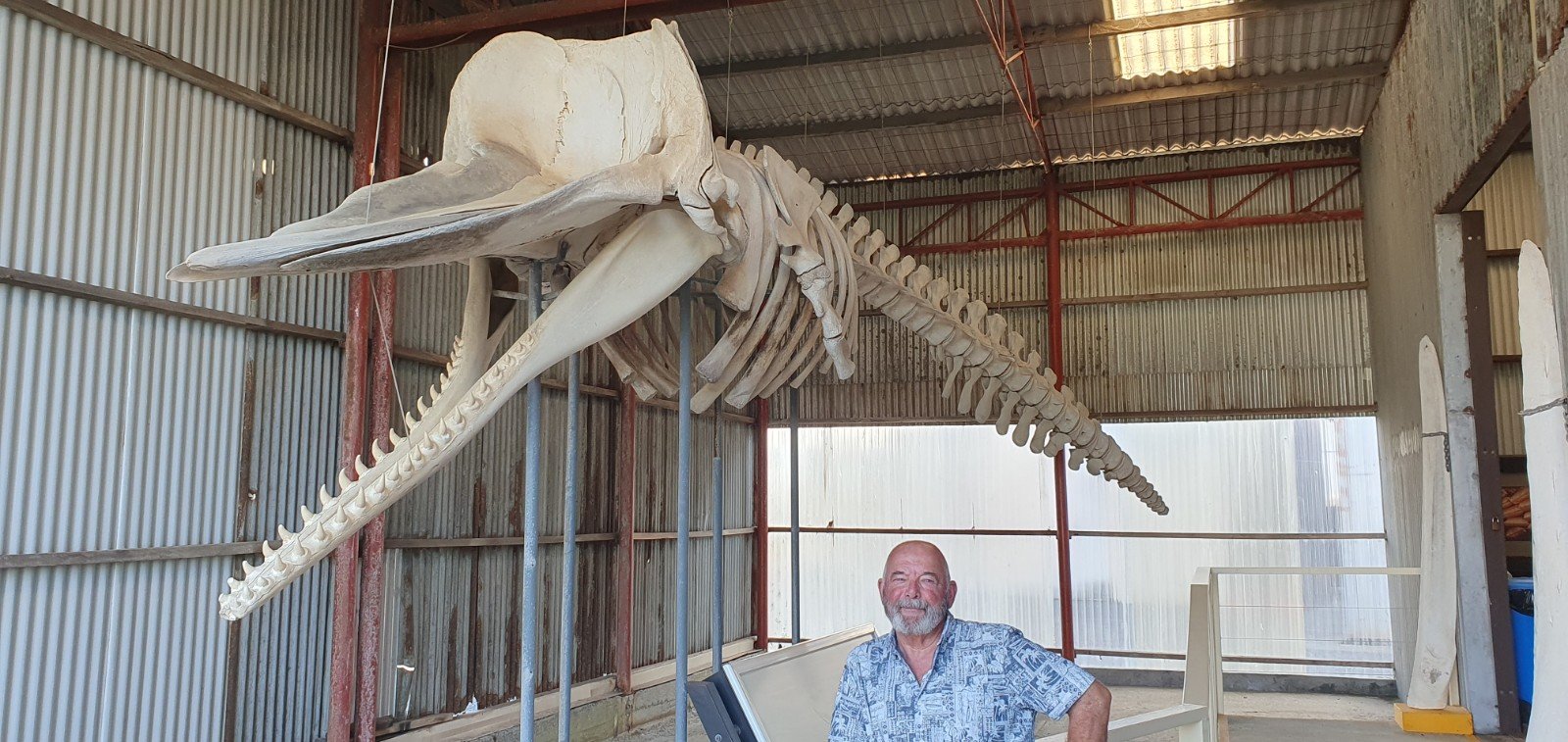
Between 1952 and 1978, they had caught 1,136 humpbacks and 14,695 sperm whales alone. In 1954, over 1,016 tonnes of whale oil was produced from 120 whales, and in 1957, the company purchased their second chaser, Cheynes II.

The Australian author Tim Winton, patron of the Australian Marine Conservation Society, grew up in Albany. He doesn’t remember seeing any live whales in the ocean as a child but he saw plenty of dead ones. When visitors came from the city, the Winton family would head to the station’s observation platform for a view of the flensing deck – the place where the skin and blubber was manually stripped off the whales. “You would stand there in this fug of blubber steam – the most repulsive smell you could imagine.” (As written in an article in The Guardian by reporter Graham Readfearn 21/11/18)

Jude remembers going to Albany in the early 70’s and also smelling the stench from the Whaling Station wafting over the town.

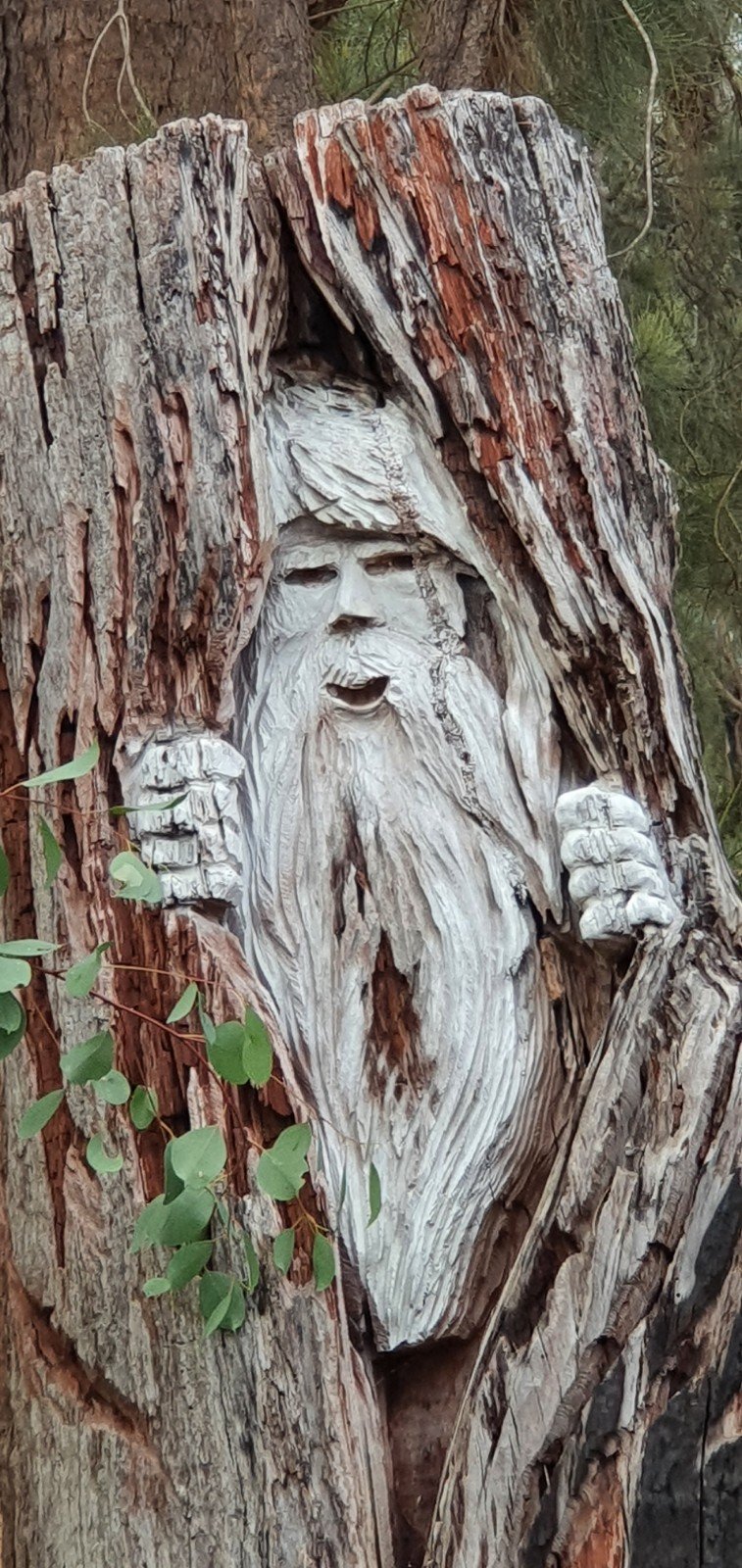
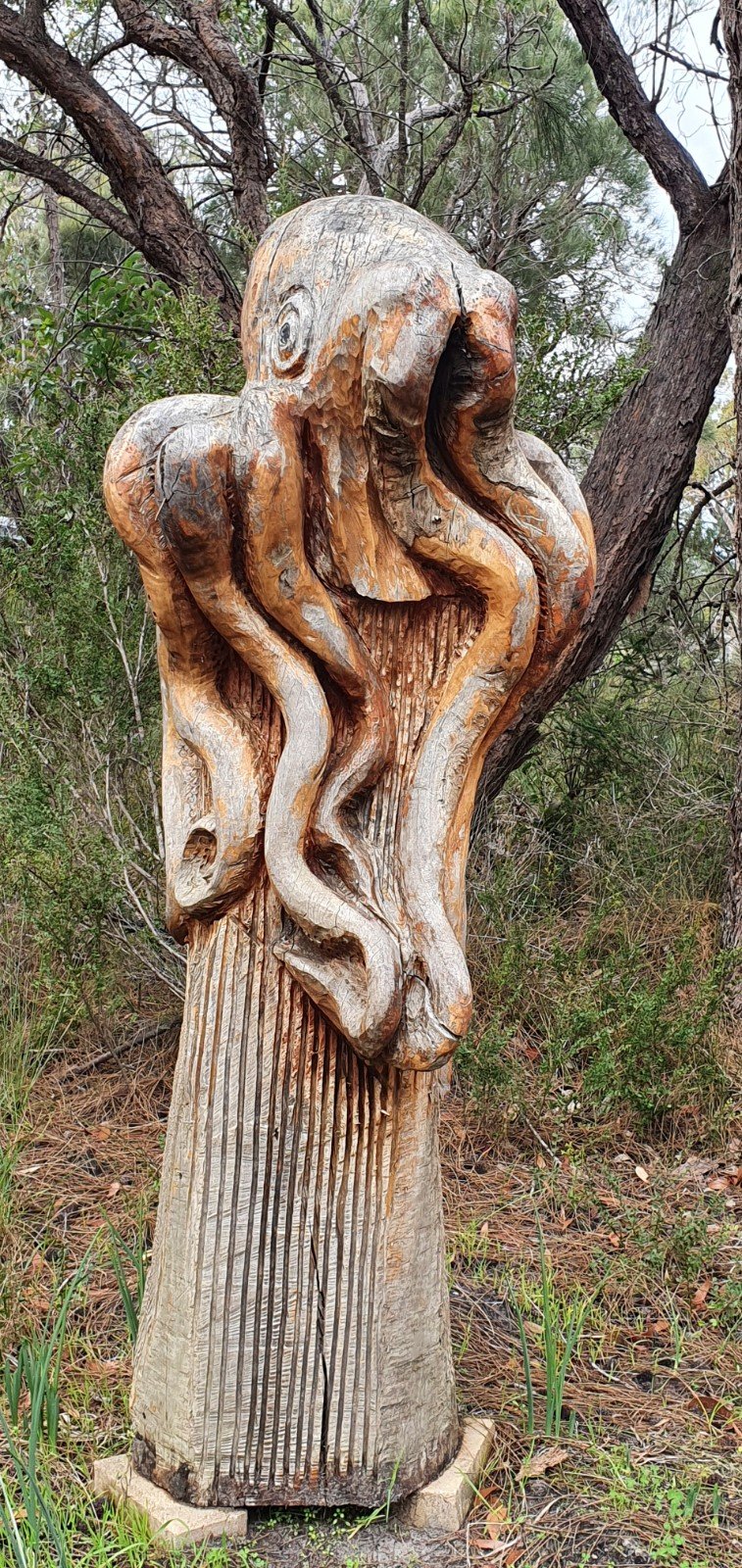
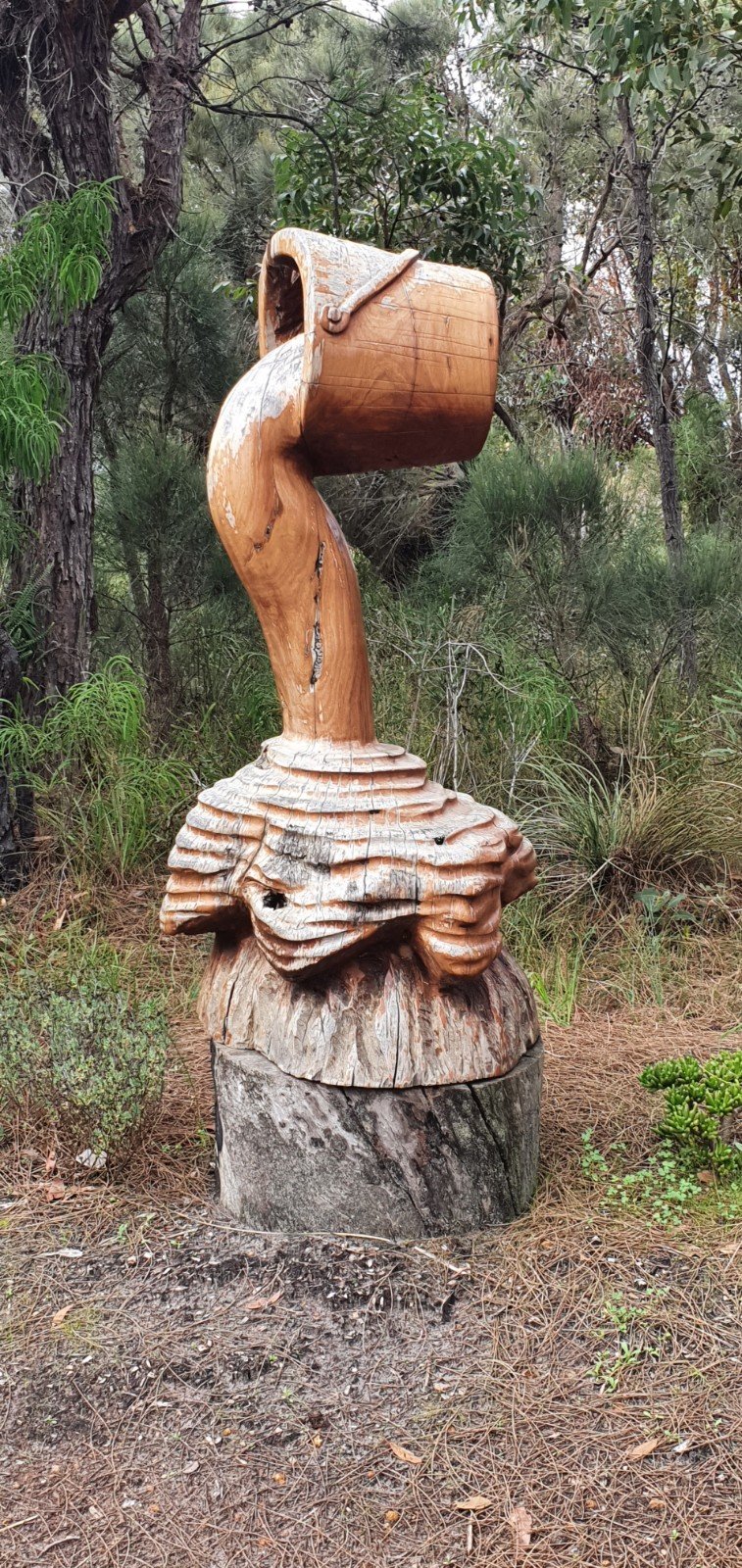
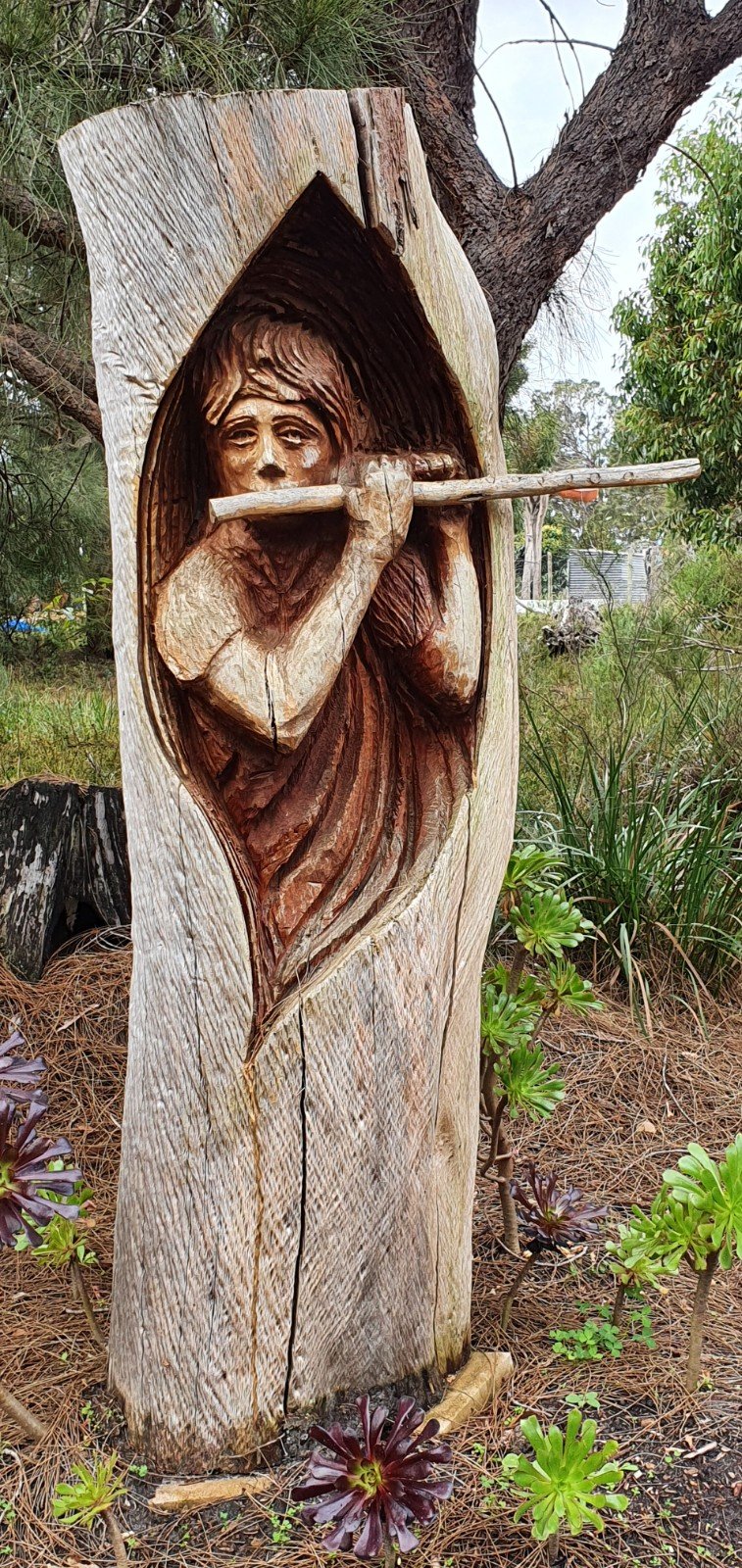
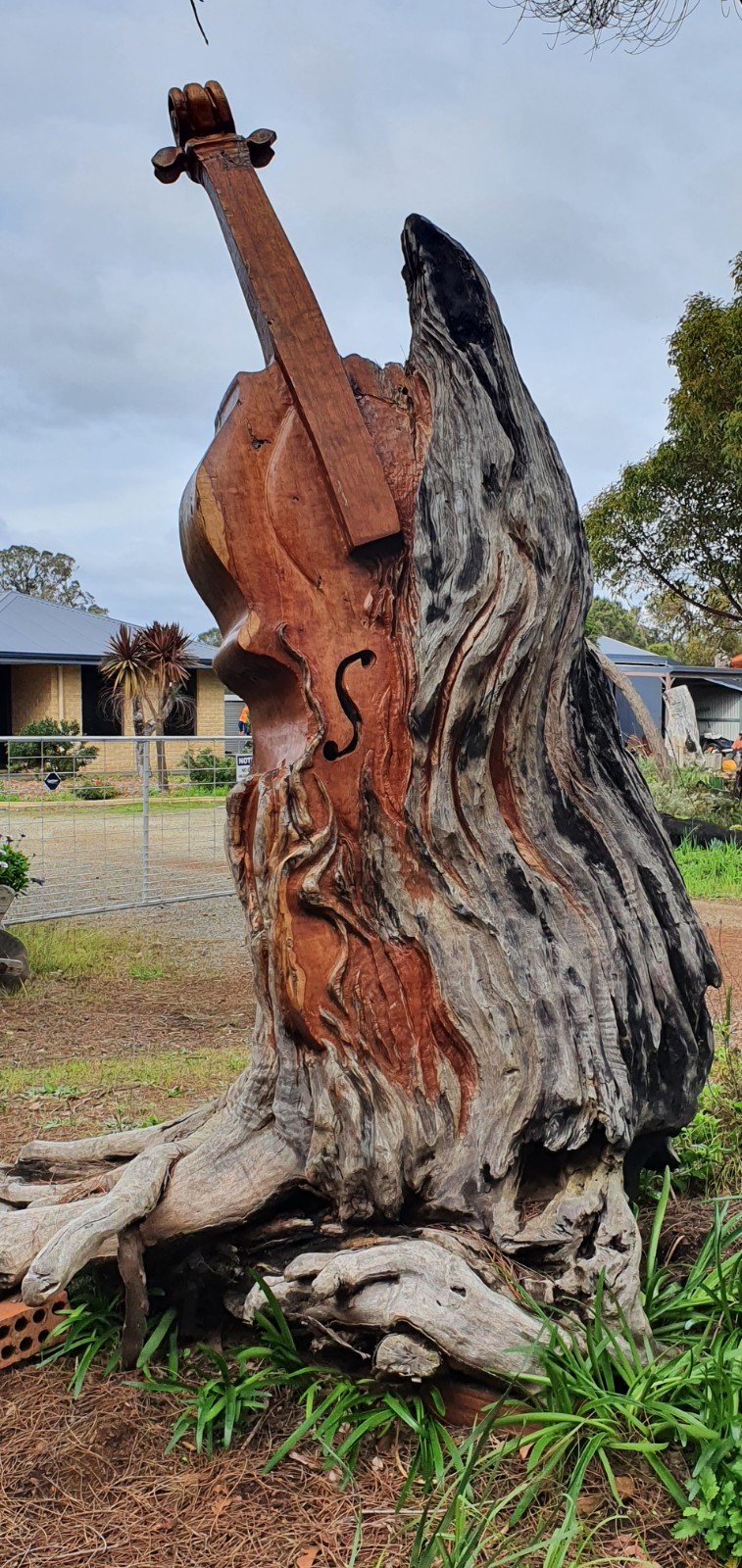
We had been told about some amazing wooden sculptures so took a drive out to Darrel Radcliffe’s Sculpture Drive. Darrel is a chainsaw artist and uses old tree stumps as his canvas to create spectacular sculptures and artworks. Below are just a few pics we took. We highly recommend a visit.

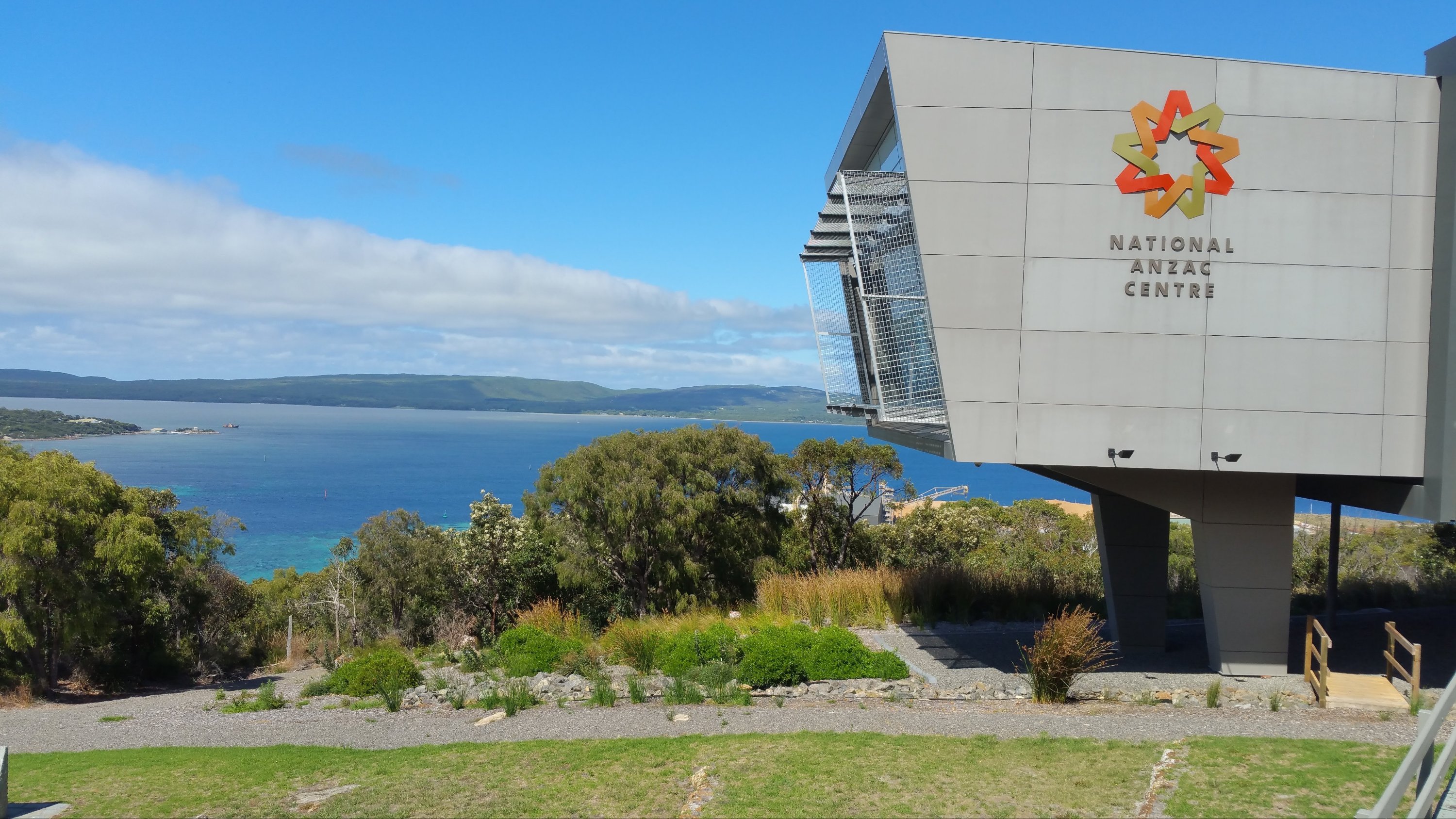
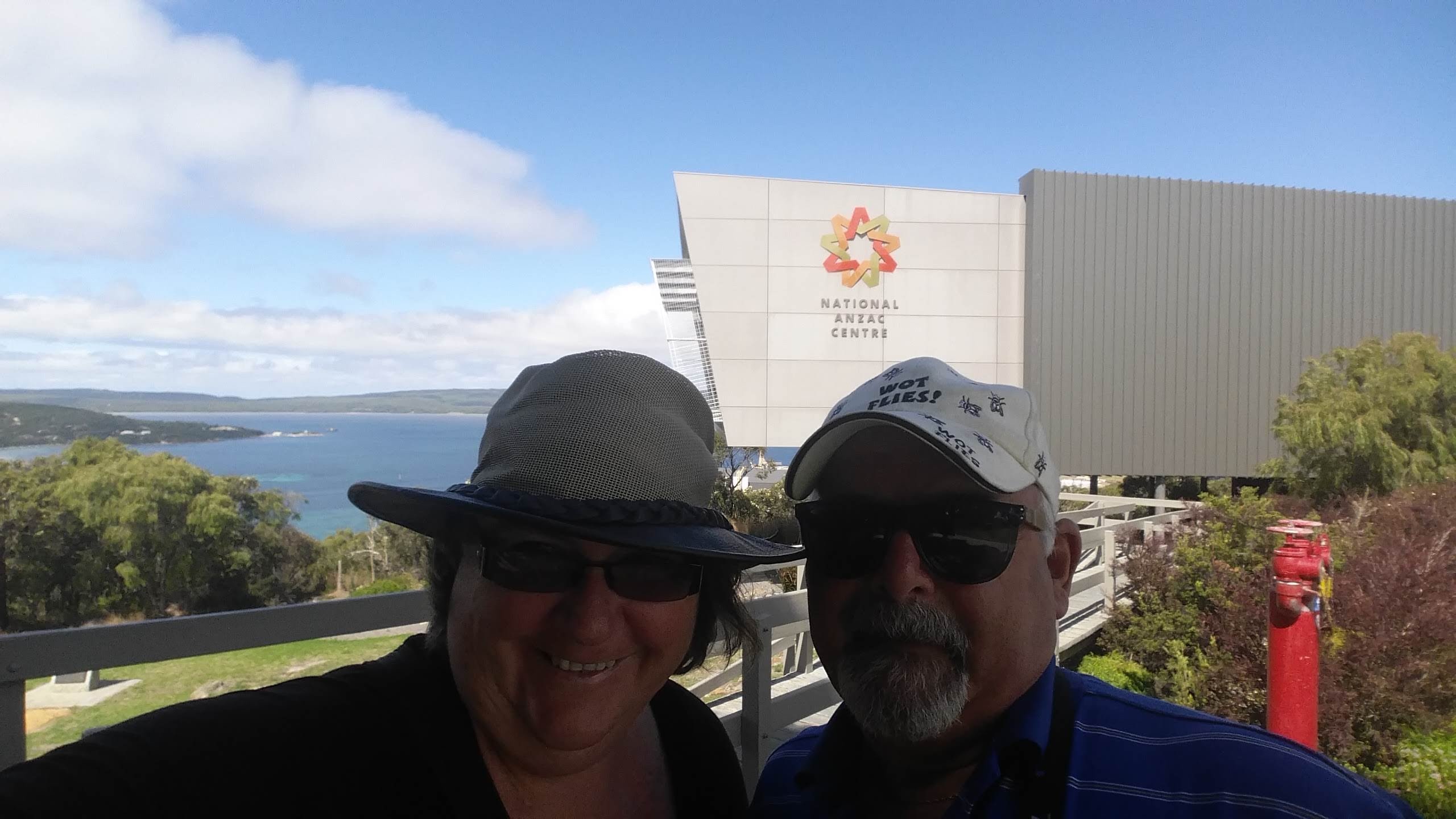
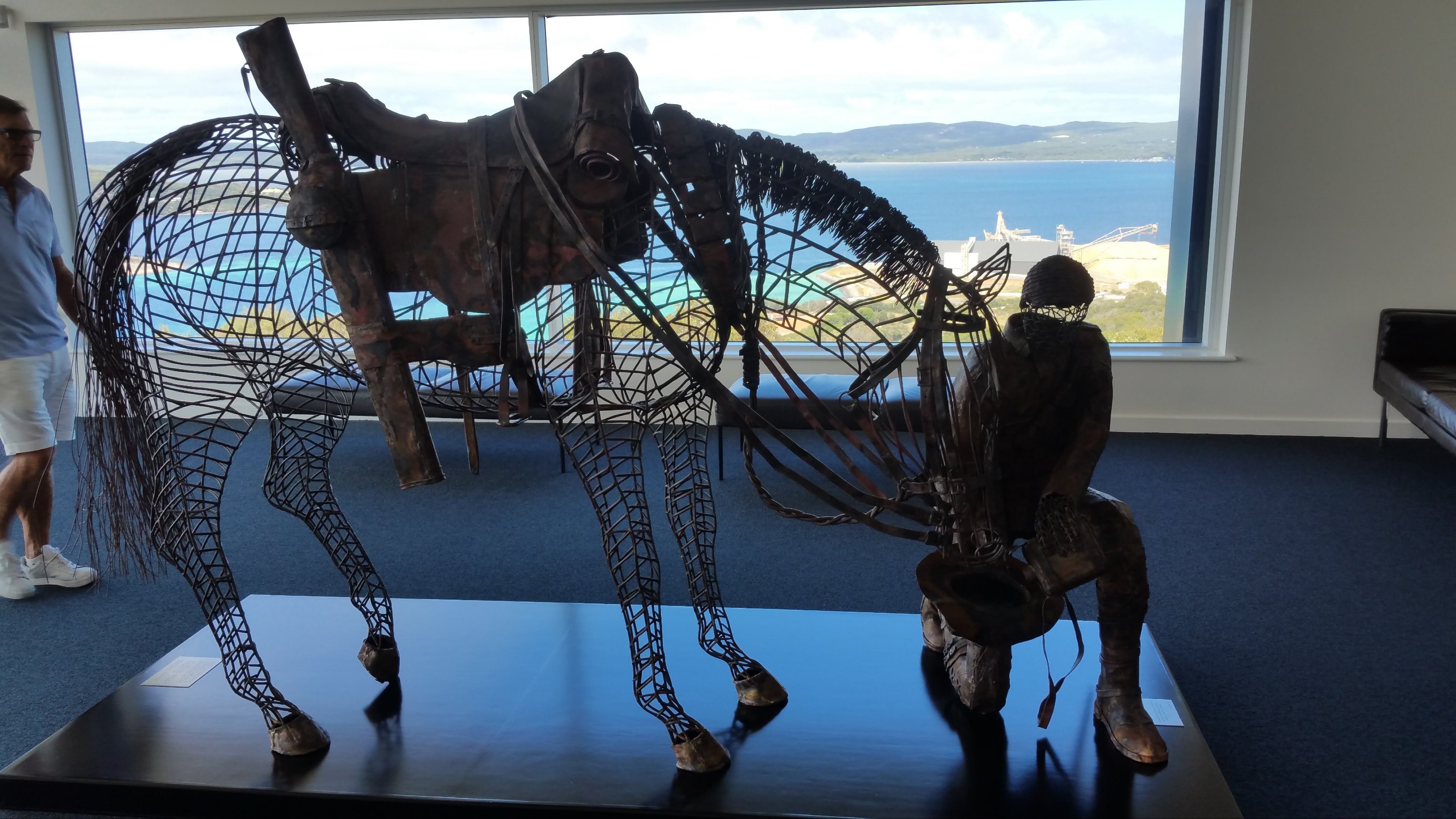
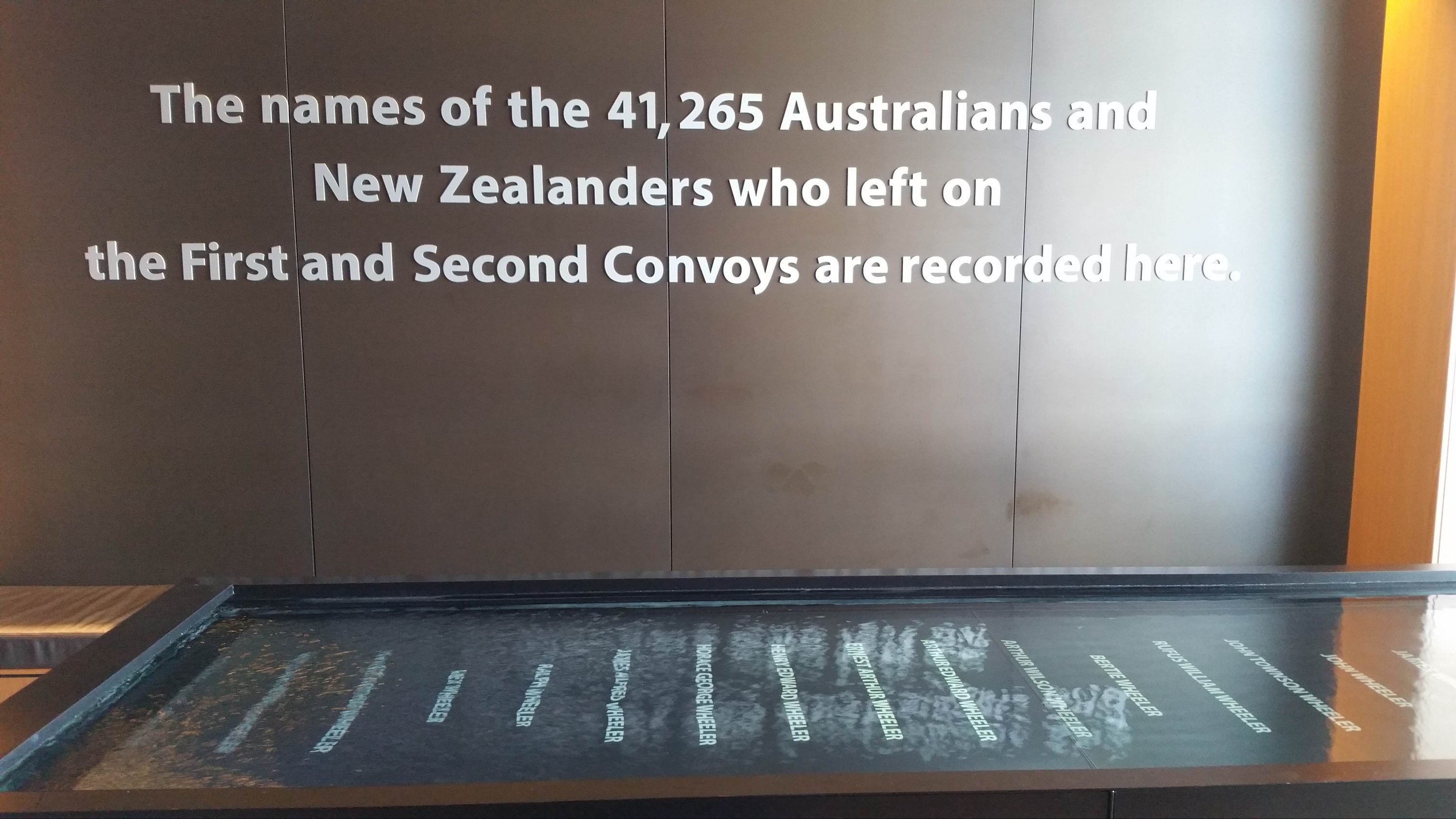
We had been to Albany before and highly recommend a visit to the National Anzac Centre. It is a very modern building overlooking King George Sound and it honours the story of more than 40,000 Australians and New Zealanders who left Albany, bound for the Great War in 1914.

Living under Covid-19 Restrictions in 2020/21 in Western Australia.

On the 22nd March 2020 the Western Australian Premier announced they woul be closing the border as of the 24th March and all people coming in would have to self isolate for 14 days. The South Australian Premier announced the same for their border.
On the 23rd March, Australia starts lockdown – bars, clubs, cinemas, places of worship, casinos and gyms are closed; schools start to close.
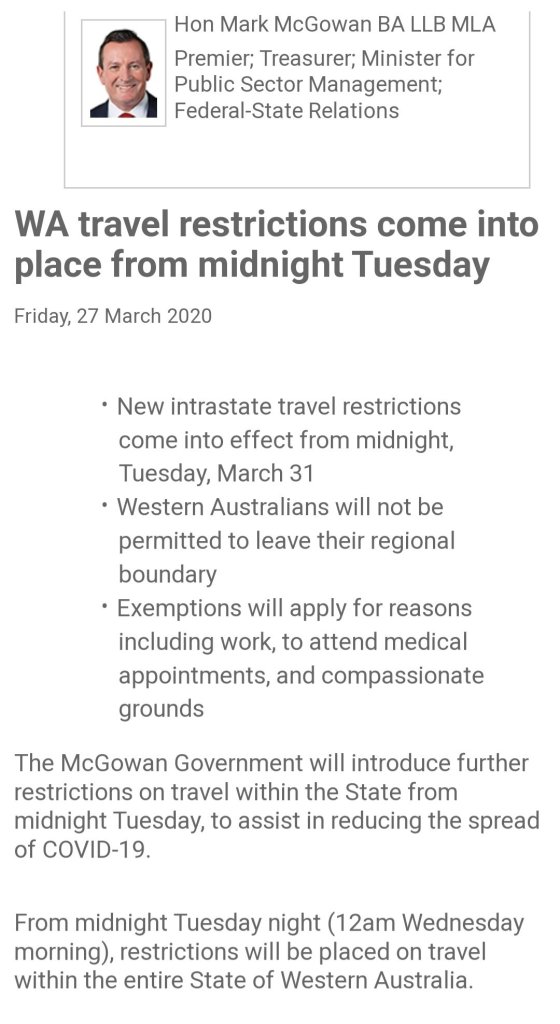
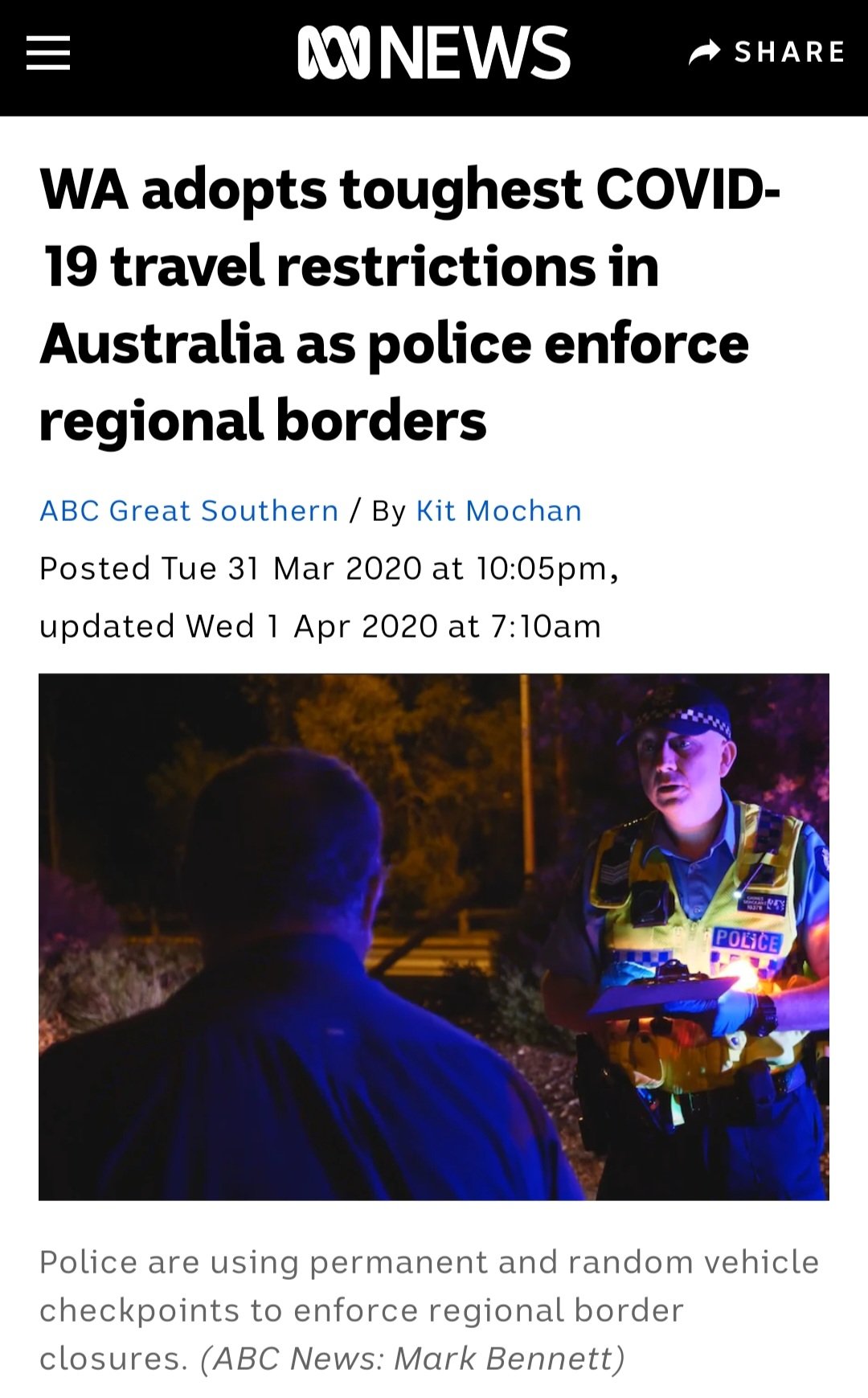
On the 24th March, the WA Government is planning to restrict travel between Western Australia’s regions to halt the spread of COVID-19. WA residents are being asked to cancel Easter travel plans. Wow, things were really heating up and we needed to do some serious thinking about our future travel plans. The owners of our farmsit made contact and said they would be returning early but would miss the deadline of getting back into WA before the hard border shut. This would mean they would have to self isolate for 14 days on their return. We spoke to the owners of the next housesit and they were very upset to advise that for now they wouldn’t be going away. Okay so what do we do, where do we go?

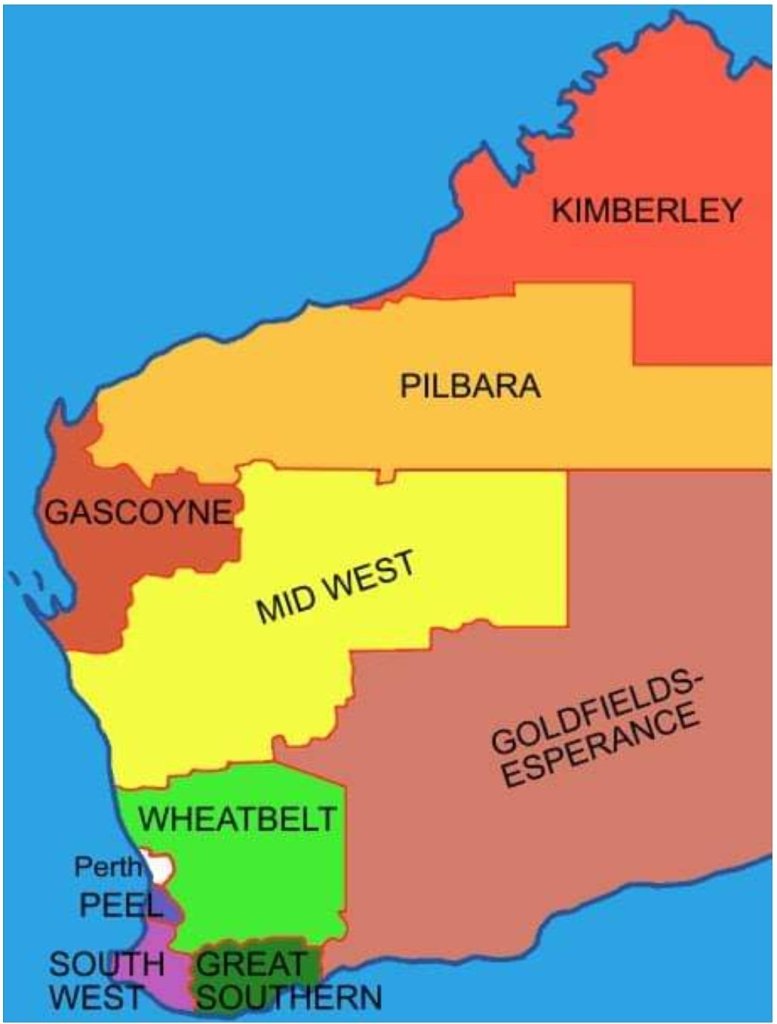
We were in the Great Southern Region and needed to get to the South West.

We already had a booking for a week at a caravan park just outside Bunbury, a 3hr drive from the Porongorups. We made contact with them to enquire about a longer term stay. This was Waterloo Village Caravan Park in Picton. Given the cirumstances they were happy for us to stay as long as was needed. We were overjoyed at this news. Jude’s brother lived in Bunbury and was supposed to be heading off on a 6 month caravan trip around Australia with his partner, but this had to be cancelled/postponed as well. At least we would get to spend some time with them!

We spent five weeks at Waterloo Village and it felt like a very safe haven in a topsy turvy world. We were living under a raft of restrictions which included:

  • only shopping for what you need, such as food or other necessary supplies;
  • medical or health care needs, including compassionate requirements;
  • exercise, including outdoor personal training without shared equipment.
  • facilities including pubs, bars, clubs, indoor sporting venues, cinemas, cultural institutions and places of worship to close immediately
  • restaurants and cafes restricted to takeaway
  • staying 1.5 metres from others
  • using hand sanitiser

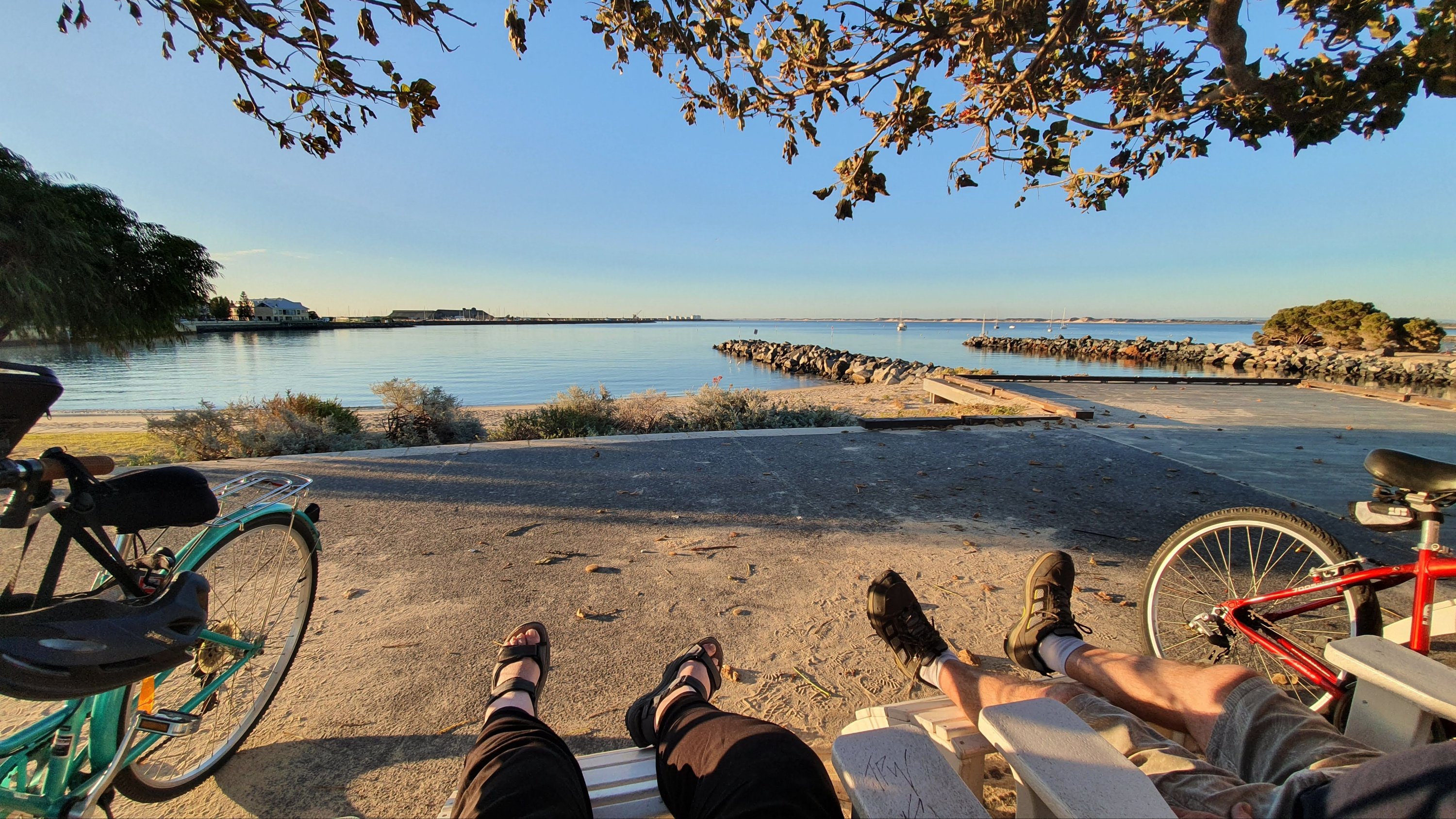
We had enjoyed our time at Waterloo Village, but after five weeks we moved ten kilometres down the road into the town of Bunbury. We managed to get a site at the caravan park opposite Koombana Bay. We love being near the water and this gave us plenty of opportunities for walking and cycling along the beach whilst still following all social distancing rules.

We kept in touch with the Busselton homeowners and six weeks later, the regional borders were reopened and the homeowners were able to leave for their trip up north. Instead of a six month housesit, it became four months. We left Bunbury and moved to Busselton, which was only fifty kilometres along the coast.

From June until the end of September we did the housesit in Busselton which included looking after their dog. The property was outside the town but opposite the water. Again we felt we were in a safe haven, and given WA had no Covid cases at this time, and given what was happening in other States with high numbers and lockdowns, we felt life was getting back to some sort of normality. The WA Government had lifted a number of restrictions, and venues had reopened.

From October 2020 to May 2021, we did a mixture of housesits and long term stays in caravan parks. During those months we continued to experience a sense of freedom from the virus. We did have one five day lockdown when we were staying in a caravan park not far from Bunbury. We spent the time reading and watching Netflix! As time went on and WA continued to be virus free, we felt very little negative impact from it. However we were feeling a little stir crazy from being in one area for so long. We began to make plans to leave WA and head east, back to South Australia. They were virus free too.

Covid-19 and it’s first impact on our travels from SA to WA in 2020.

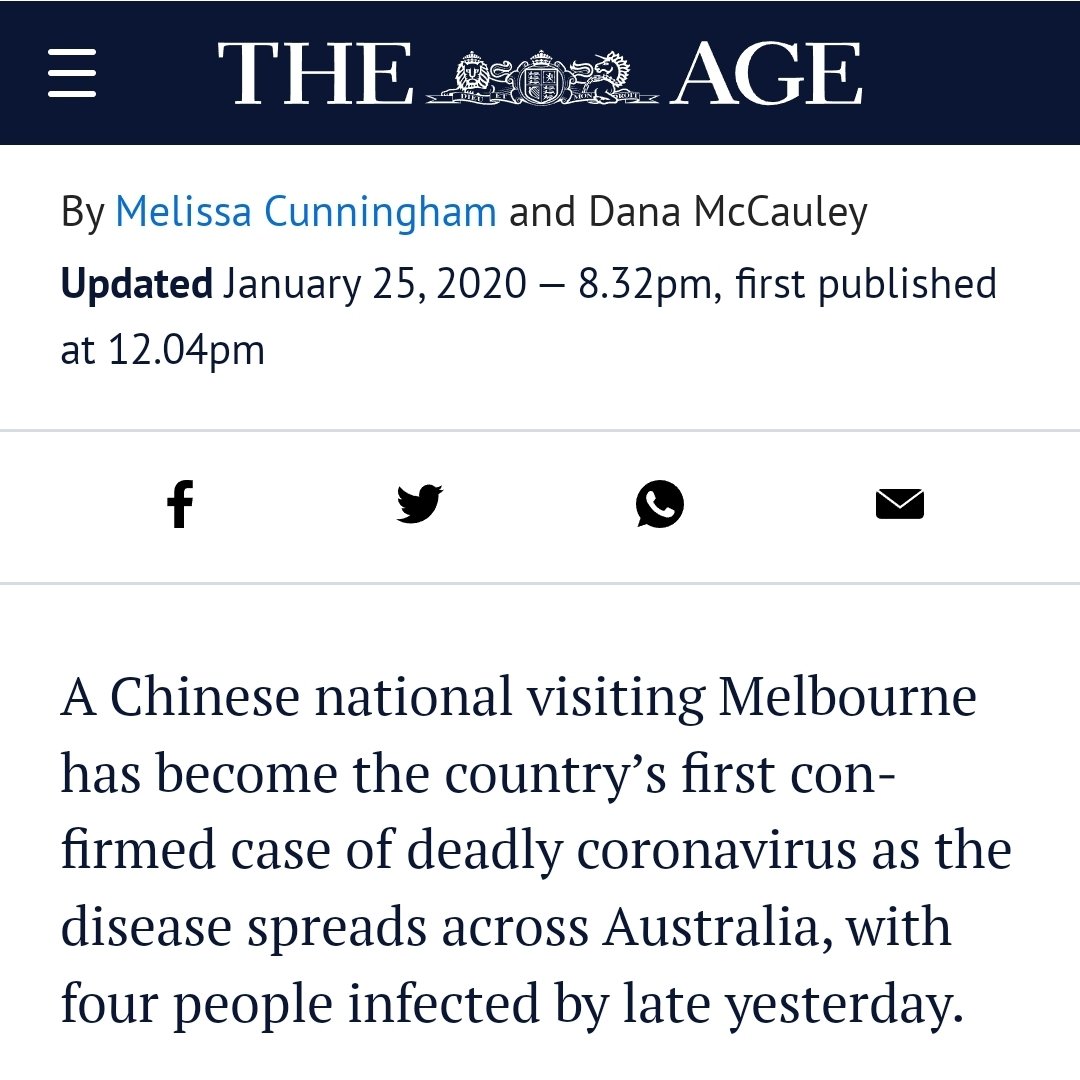
We first became aware of this virus in late January 2020. Ray had been in the UK and was at Dubai Airport in transit to Adelaide. I sent him a message saying “Watch out for people from China, there’s an epidemic going around. Did you hear about it?” I had read about the first confirmed case of Covid-19 in Australia in Victoria on the 25th January. The patient was from Wuhan and had flown into Melbourne.

Ray arrived in Adelaide, safely and in good health, on the 30th January. On the 1st February the Australian Prime Minister, Scott Morrison, announced that “foreign arrivals from mainland China will not be allowed entry into Australia” and Australia’s national airline Qantas announced it was suspending direct flights to and from mainland China following bans in the US and Singapore. We had a brief chat about this news but as we had no intention of going to China we didn’t think too much about it. We were excited to be getting on with our own plans.

Over the next two weeks we prepared our van for departure. We were heading back to Western Australia and starting our journey on the 16th February. We had two housesits lined up in WA, one for three weeks in the Porongorups and one for six months in Busselton. It was over two years since we had been in our home state and it would be great to catch up with family and friends.

SA/WA Border

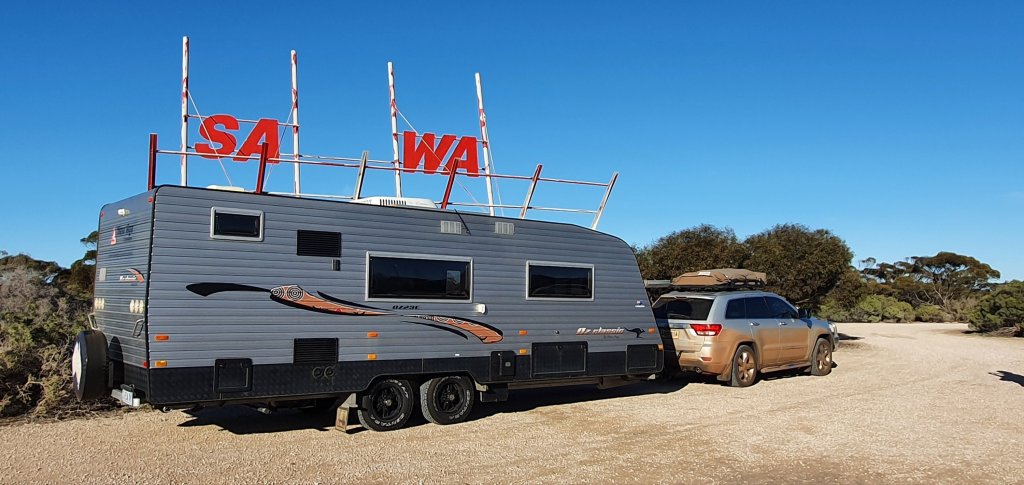
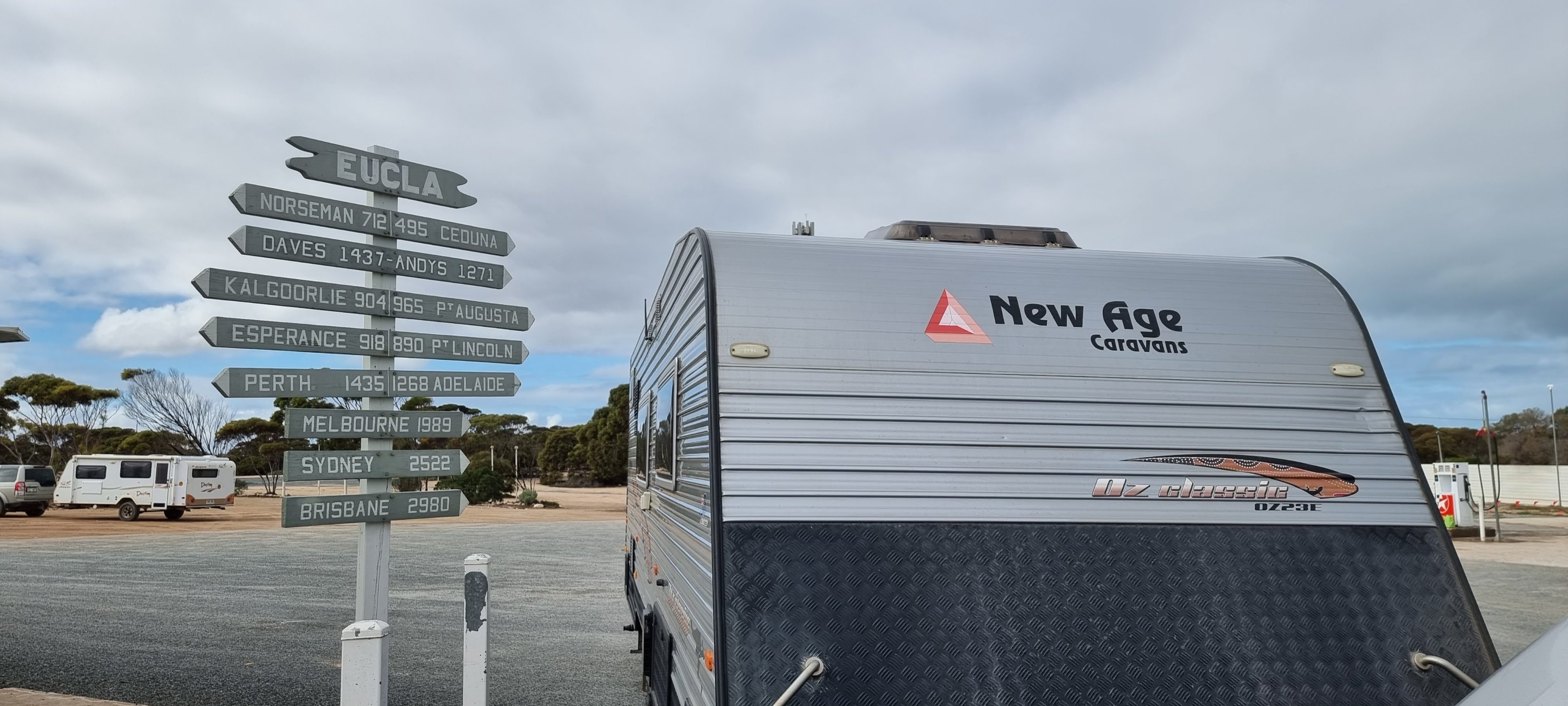
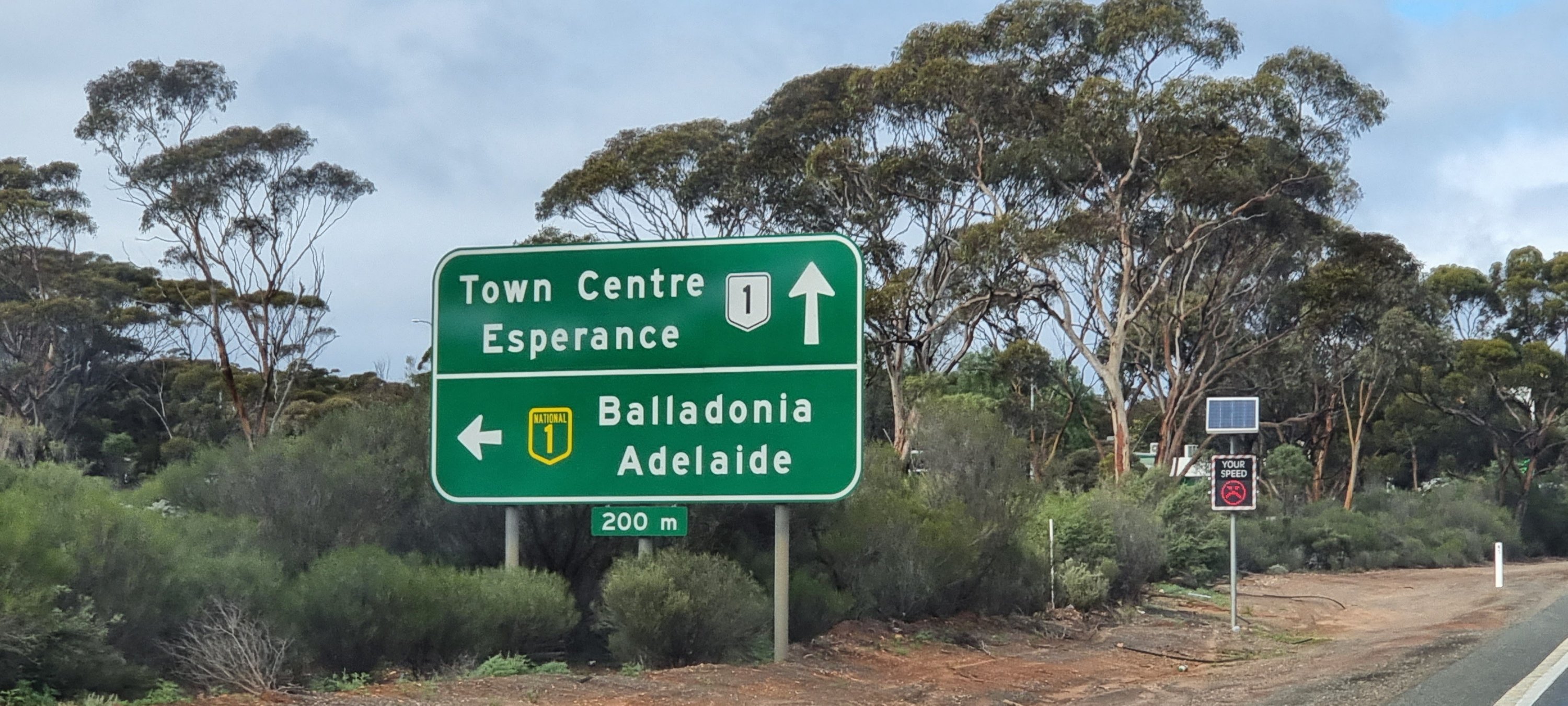
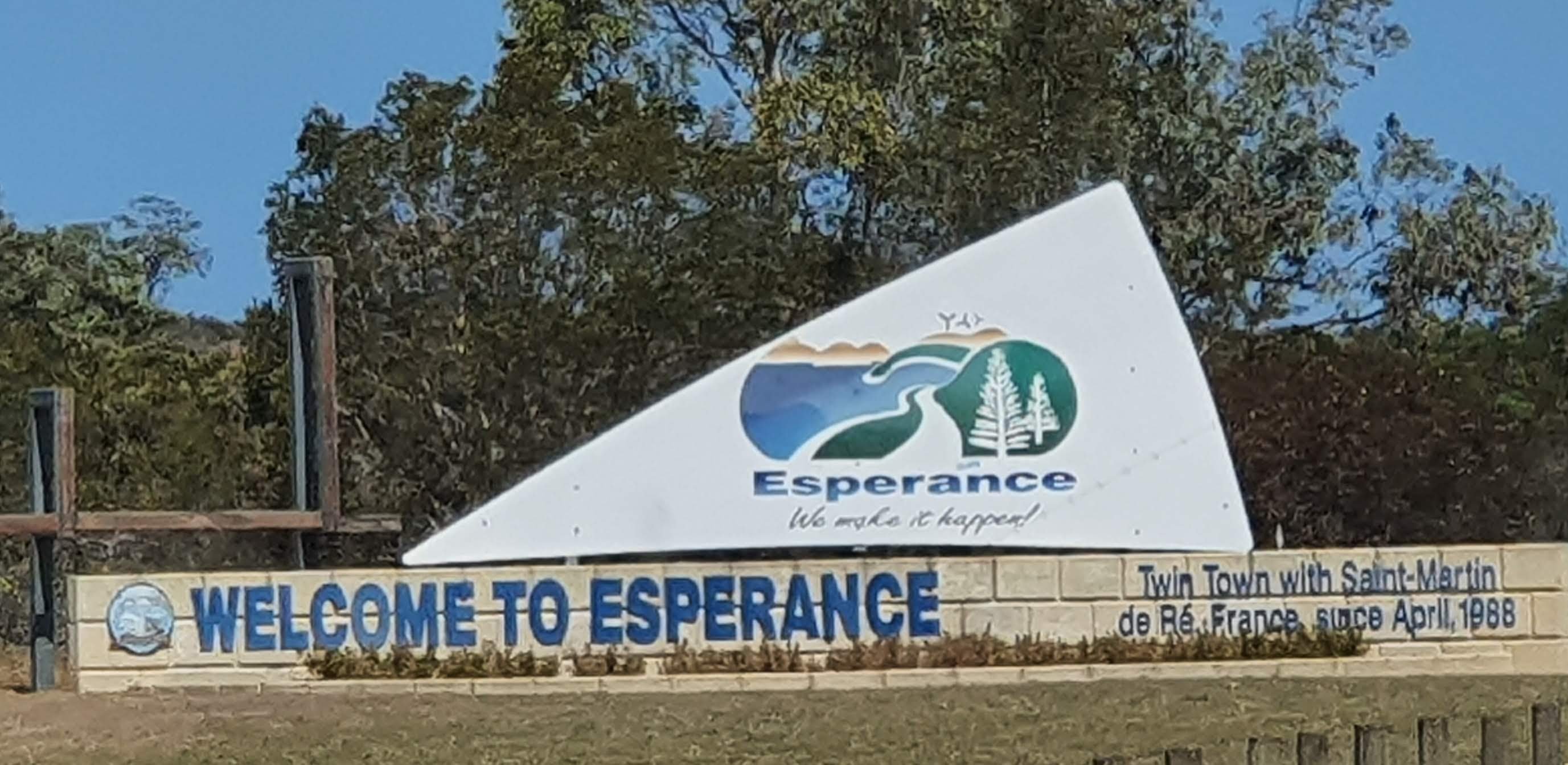
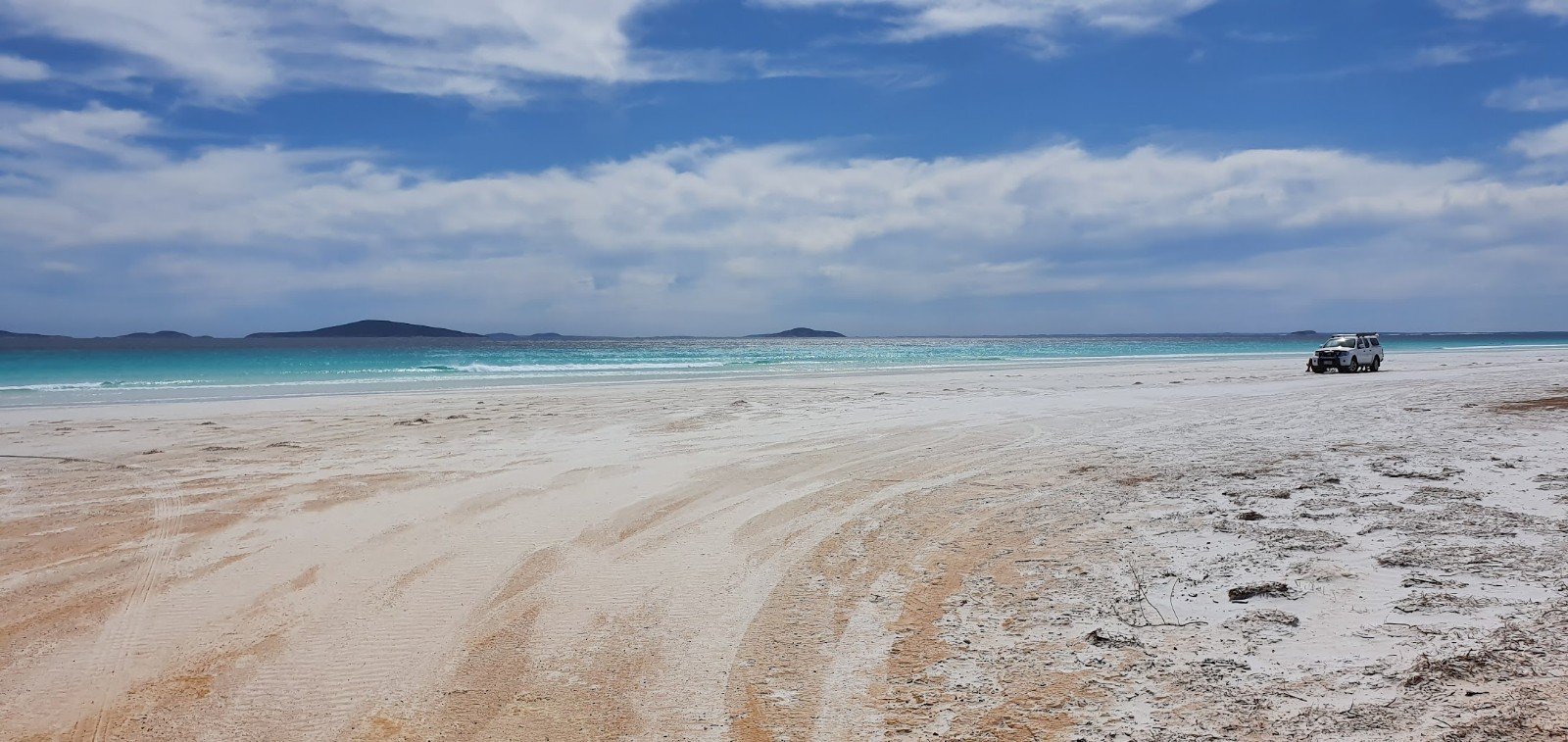
Our journey saw us stopping at Kimba, Ceduna, Nullarbor Roadhouse, Cocklebiddy, Balladonia and finally into Esperance and out to Cape Le Grand National Park where we set up home for a week at one of the campsites. Over the six days we spent travelling we had little to no internet and even at the campsite we didn’t really have any internet and therefore we were oblivious to what was happening in regard to Covid and Australia and the world. Our main concern was the possibility of having to evacuate due to bushfires in the area. Fortunately that didn’t happen.

Our three week housesit in the Porongorups started on the 6th March. The homeowners had gone on holiday to Tasmania.

10th March – Italy goes into national lockdown, shortly followed by other European countries
11th March – WHO (World Health Organisation) declares a global pandemic.
13th March – Australia forms a “National Cabinet” – Federal, State and Territory leaders – to enable a united approach to the crisis.
15th March – Australian government bans gatherings of more than 500 people.
16th March – People arriving in Australia from overseas must self-isolate for 14 days and people are told to start implementing stricter social distancing rules.

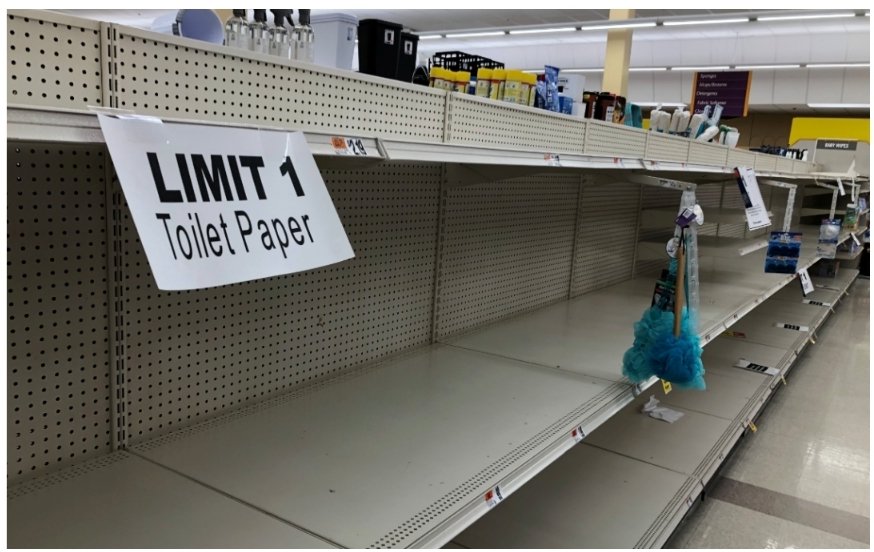
By now we were beginning to notice some impacts locally. When we went into Mt Barker to do our weekly shop at the IGA, there were arrows/crosses on the floor and hand sanitizer stations at the entrance and exit. The checkout staff were wearing gloves and you had to pack your own bags. There was also a preference that you pay by card rather than cash. And there was NO TOILET PAPER!!!!

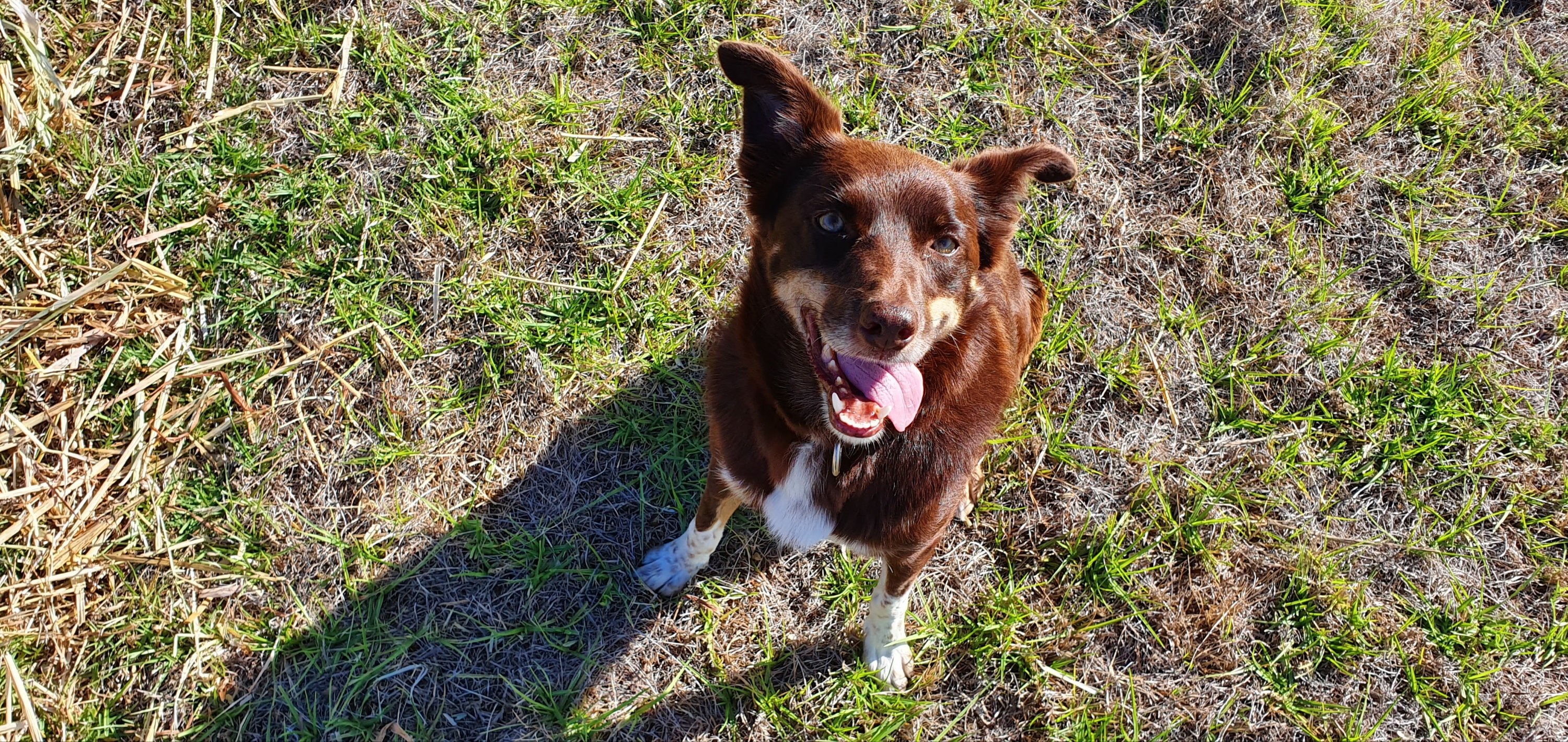
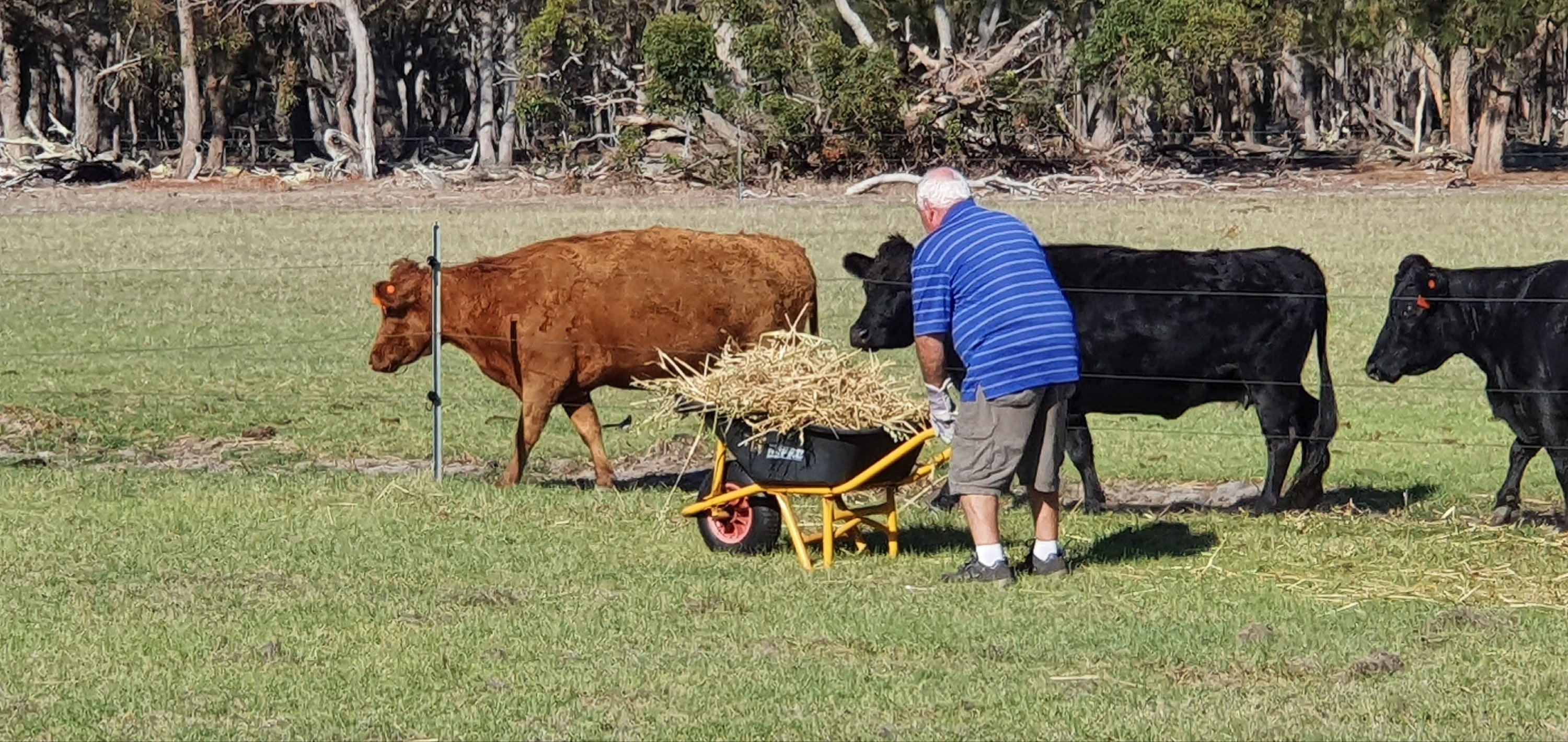
Our housesit was actually a farmsit on 100 acres in the middle of the countryside. We felt very safe there tending to the dog, cats, chickens and cattle. We stopped going out unnecessarily, only doing the shopping and following all safety guidelines. We were in touch with the owners who were heading back to the mainland from Tasmania. We also spoke to the owners of the next housesit who confirmed they were still on track to be away for the six months, starting at Easter.

CHECK BACK SOON FOR THE NEXT STAGE OF OUR COVID TRAVELS.

June/July 2019 Egg Collectors Extraordinare!

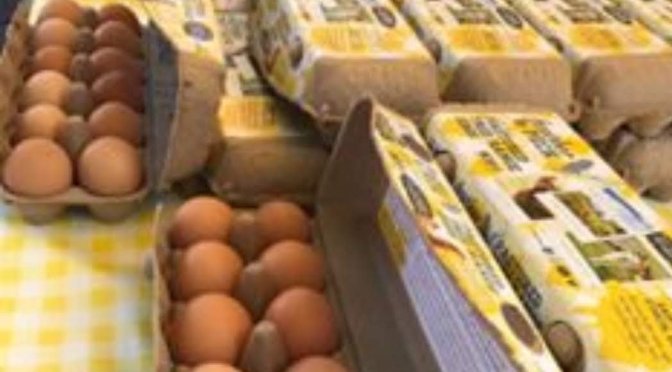
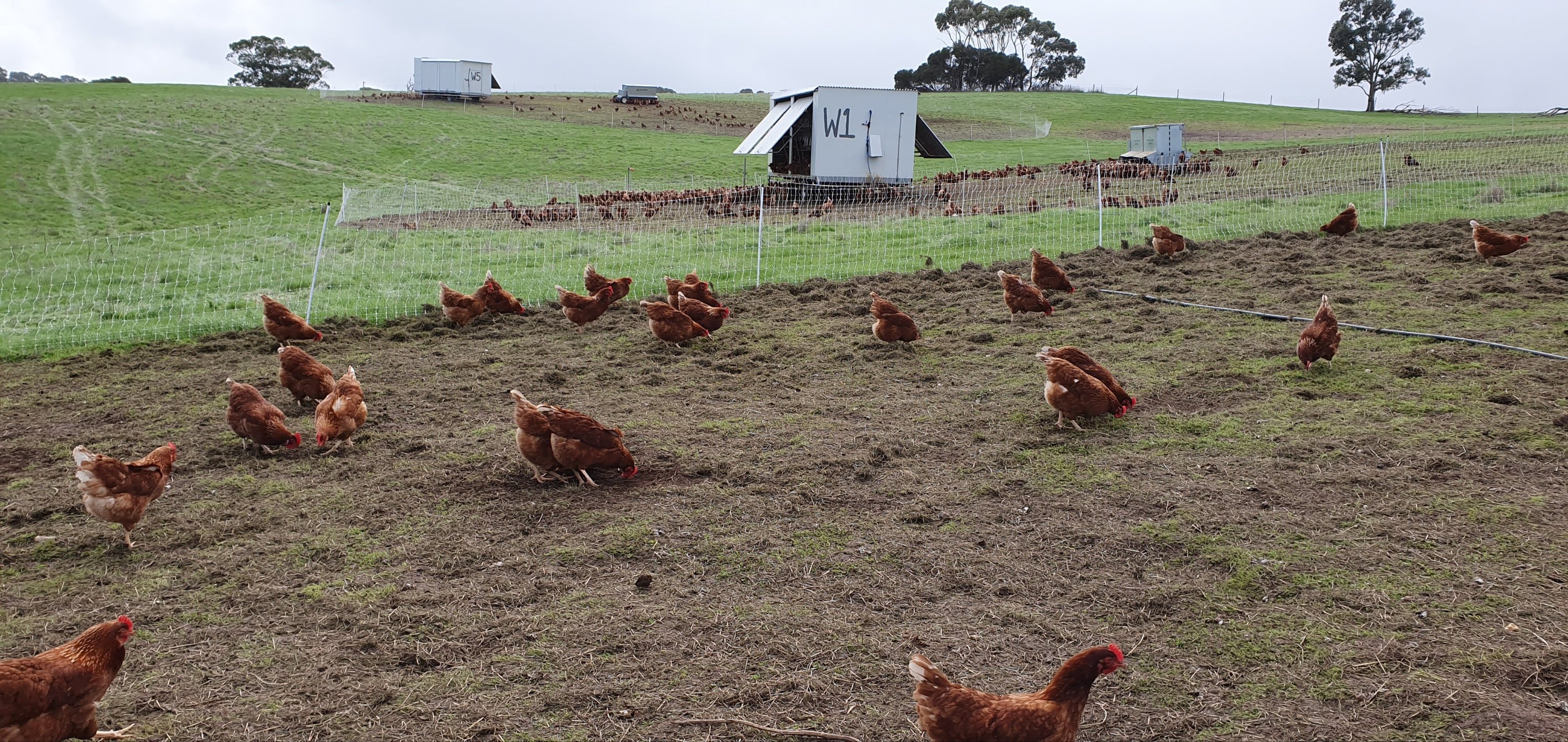
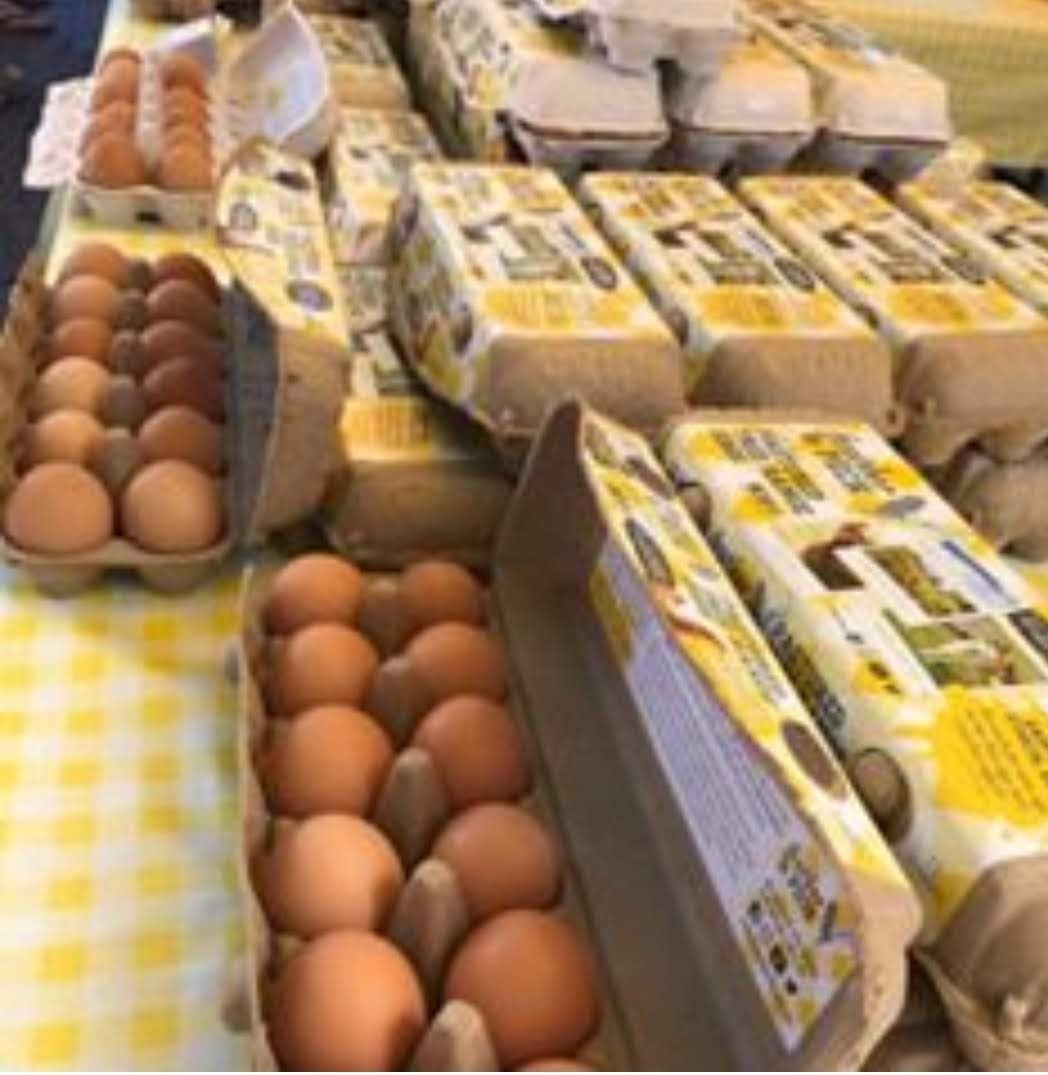
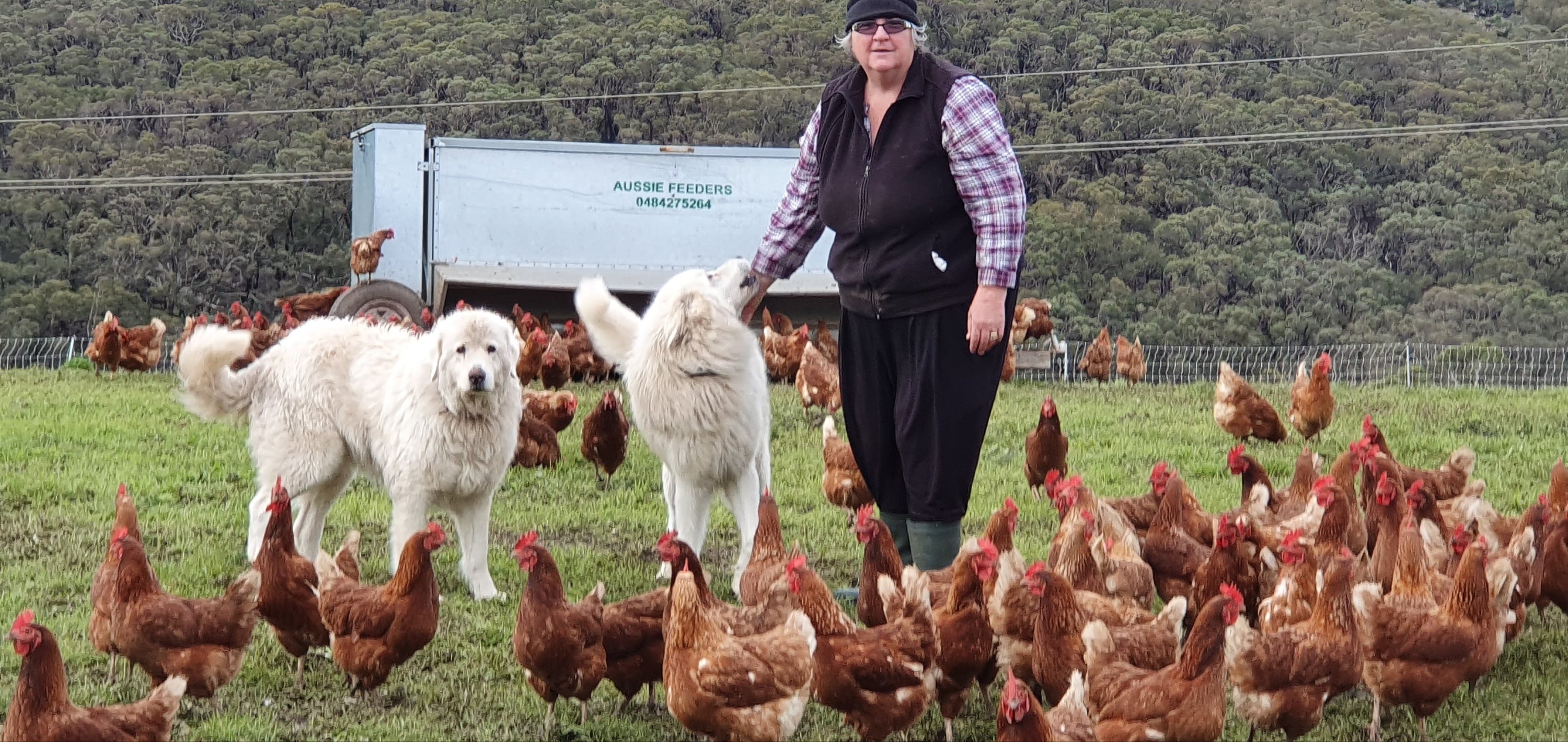
In June 2019 we set up our home-on-wheels on a farm in the heart of the Fleurieu Peninsula of South Australia. Winbirra is a 200-acre farm nestled in the Willunga Ranges. They are running beef cattle and 3000 hens (chooks) in 5 mobile trailers, producing pastured free-range eggs under the brand ‘feather&PECK‘. The weather was a mixture of blue skies and sunshine, and heavy fog and mist. Some days it was almost impossible to see our van or the chook pens. (Update May 2022 – they now run 4200 hens in 7 mobile trailers.)

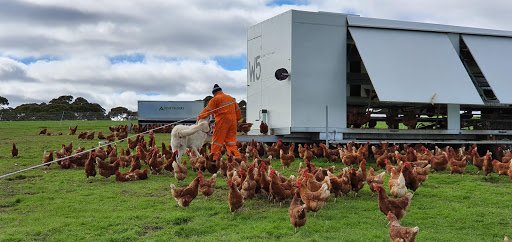
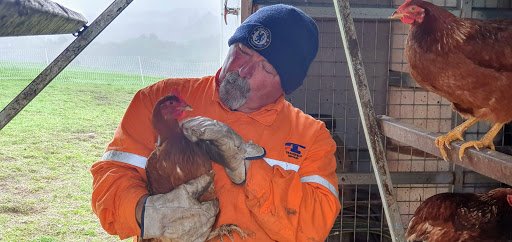
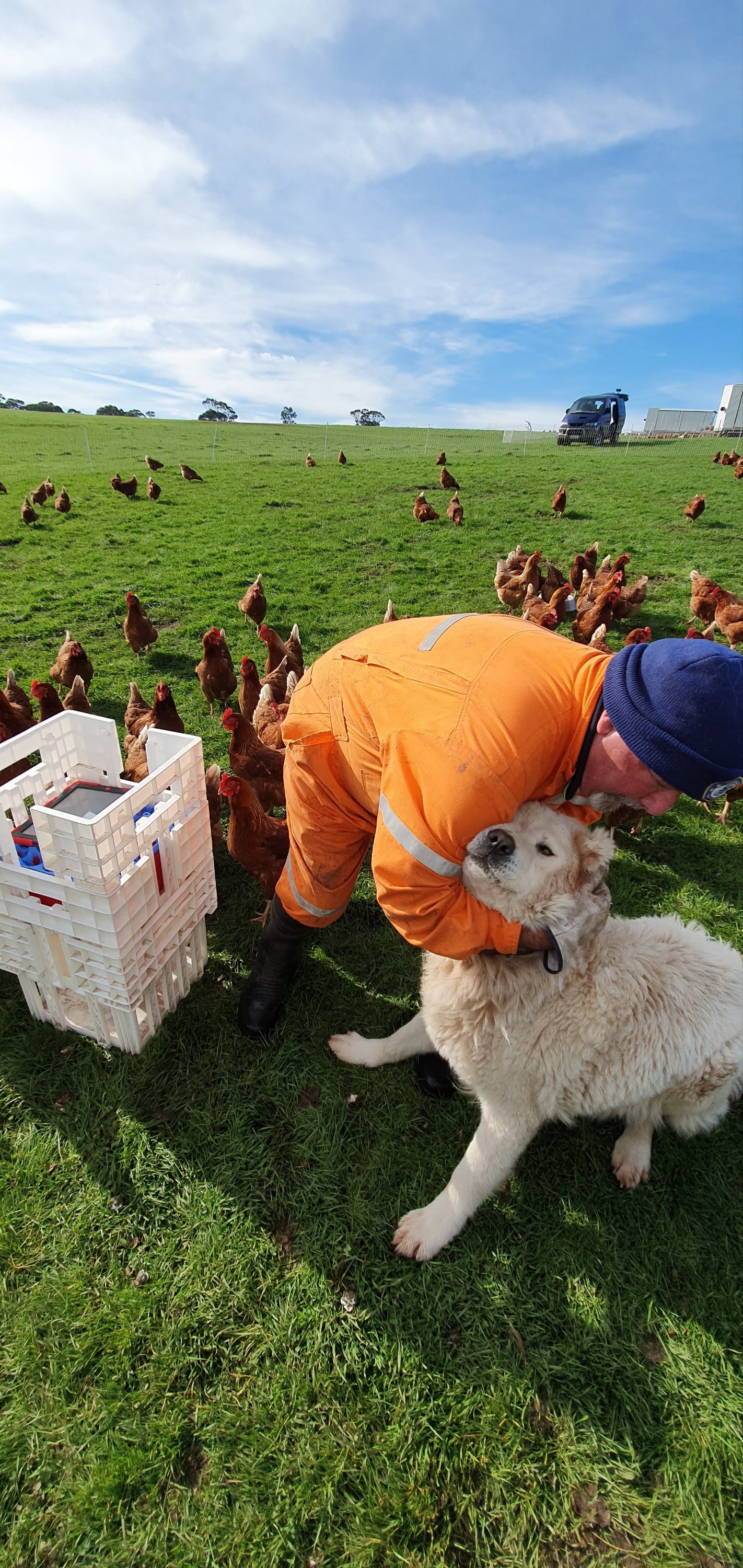
We volunteered for 2-3 hours per day (except Wednesdays) collecting eggs, entering egg collection data, checking the feed/water for the hens, feeding the Maremma guardian dogs and loading the egg crates into a refrigerated trailer ready for the farmer to take to the processing plant. By the end of our eight weeks, we reckon we collected approximately 10,000 eggs!

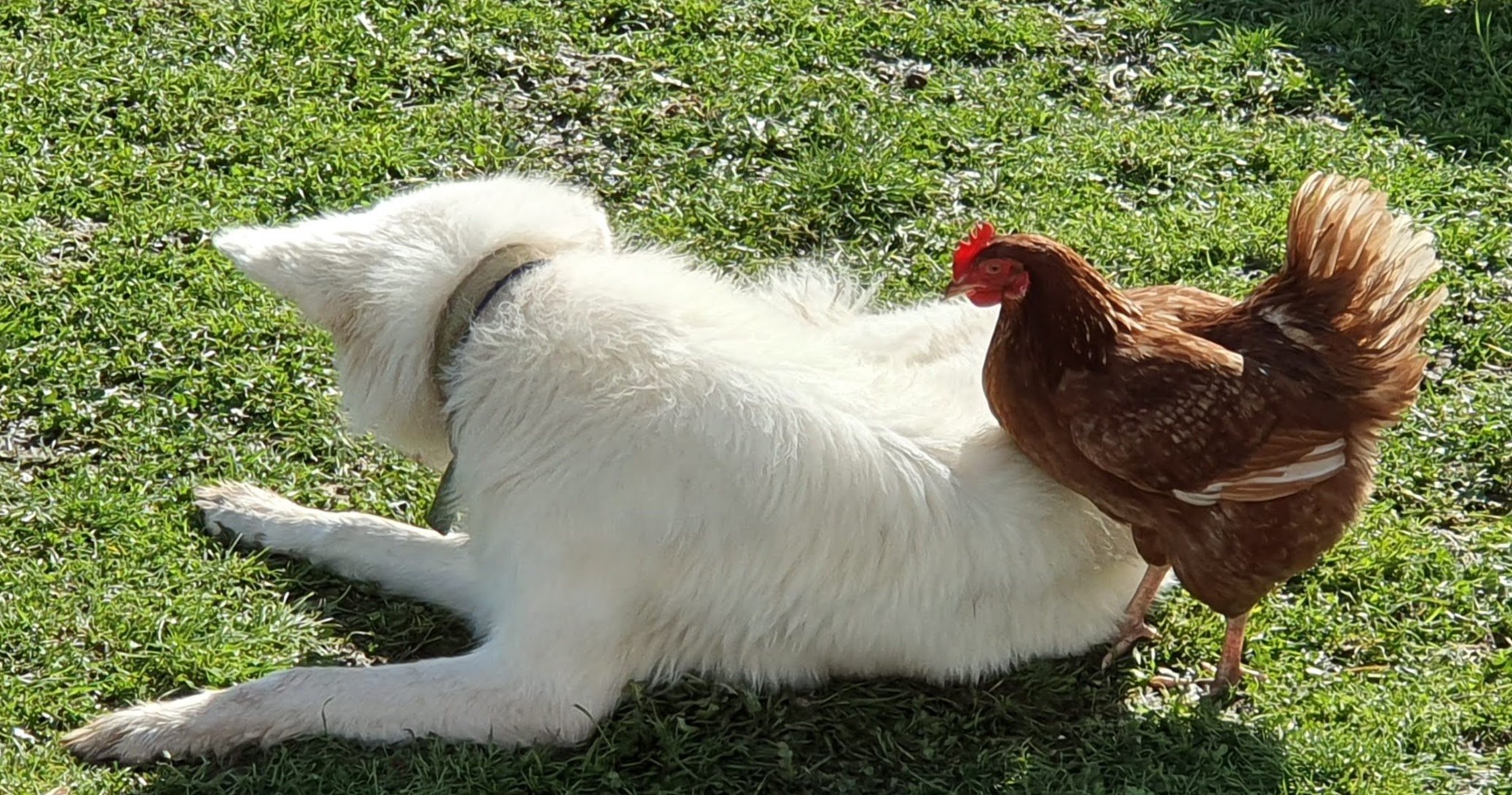
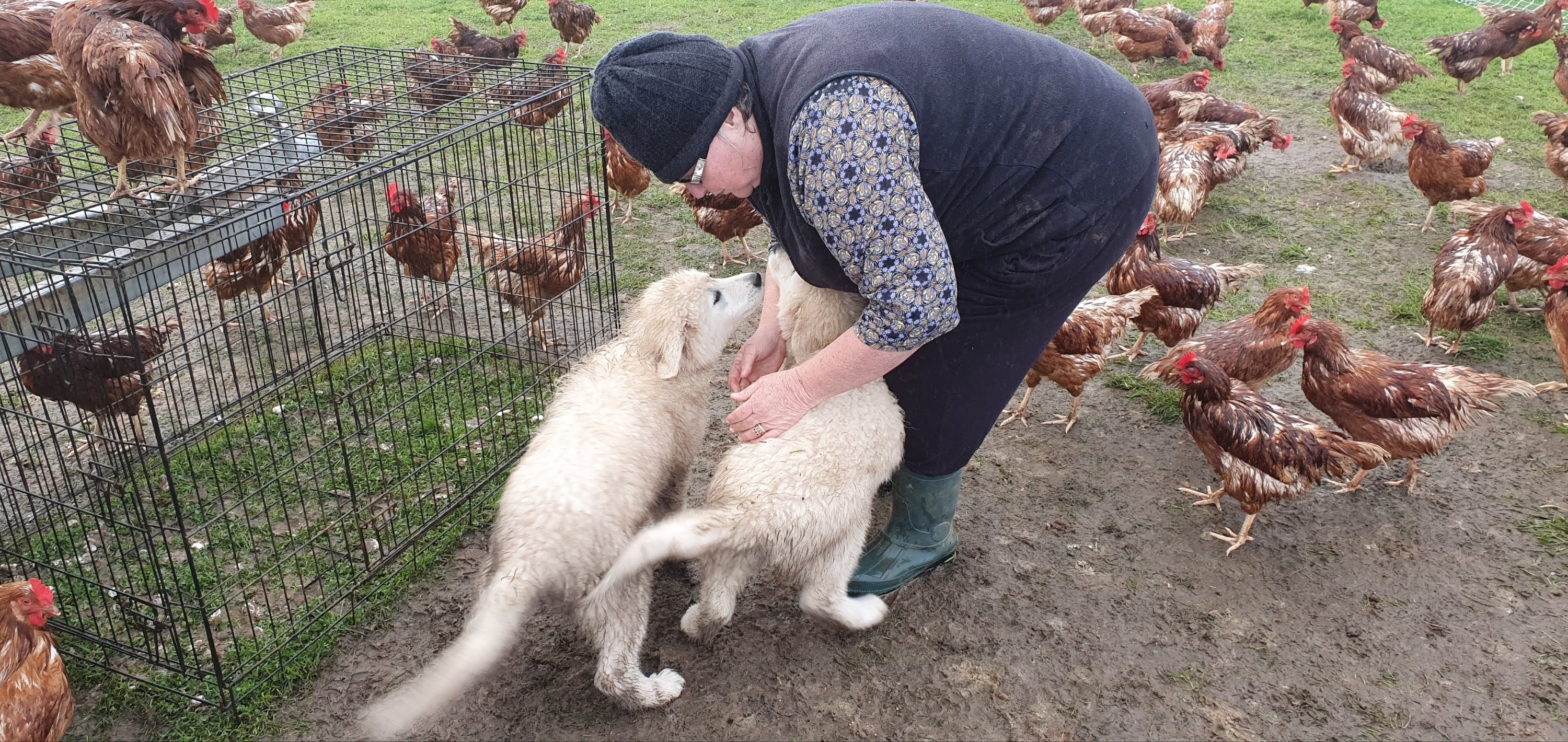
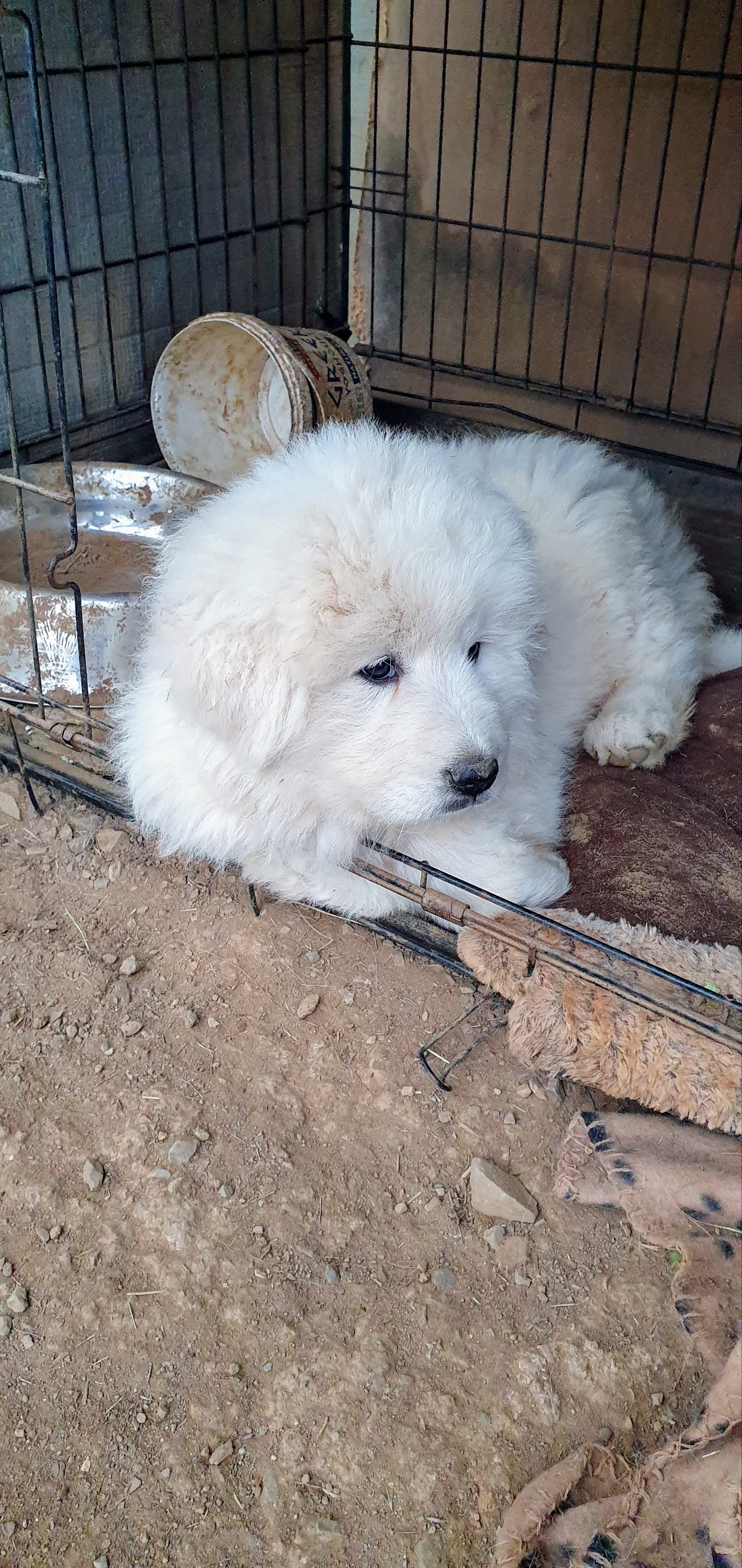
We fell in love with the Maremma dogs and their puppies. Beautiful, loyal, playful, aloof at times and fiercely protective of their flock. 6 adults and 3 puppies, all with different personalities.

Update on Smiffs Travel Oz, May 2022

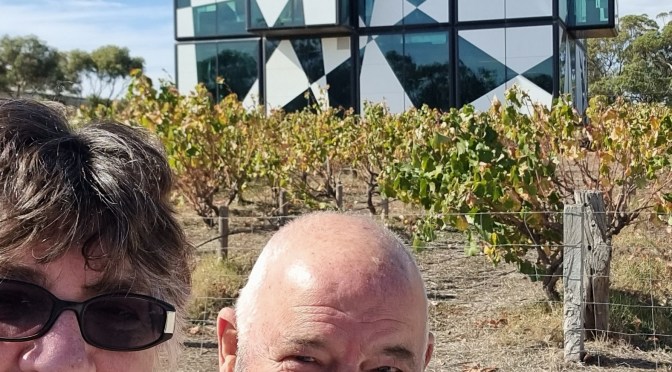
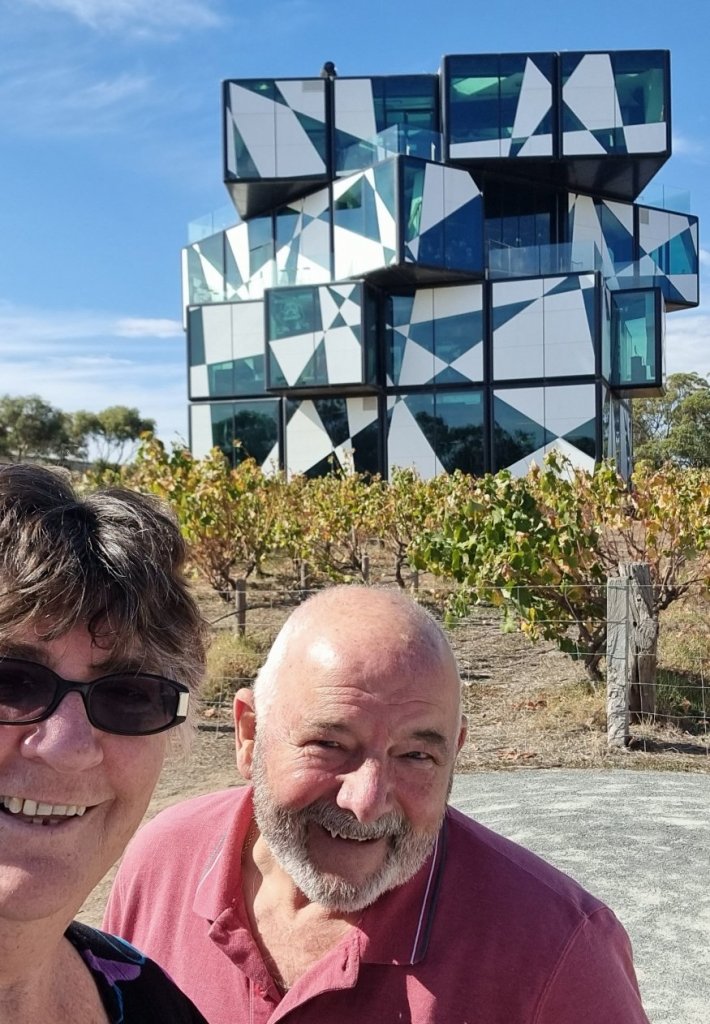
Ray and Jude at D’Arenberg Cube, McLaren Vale, South Australia

For those that have been following us, and those that are new to our blog, you may be wondering what happened to our website. The quick answer is cost, and in trying to reduce our costs we accidentally deleted a lot of already published content. 😱😢

However all is not lost as we did have a back up of our posts. We no longer have our full website, instead we are back to using our WordPress Blog site. At the moment, you can still find us by typing in smiffstraveloz.com and it will automatically default to our WordPress site. But should that change, our new address is smiffstraveloz.blog.

We have had feedback that it seems like we stopped travelling in 2018 as that is the last post showing. Therefore we will be updating our site with some of the old content so that there is a semblance of a proper timeline of our travels.

The spectacular Yorke Peninsula! Australia’s Own Italian Boot!

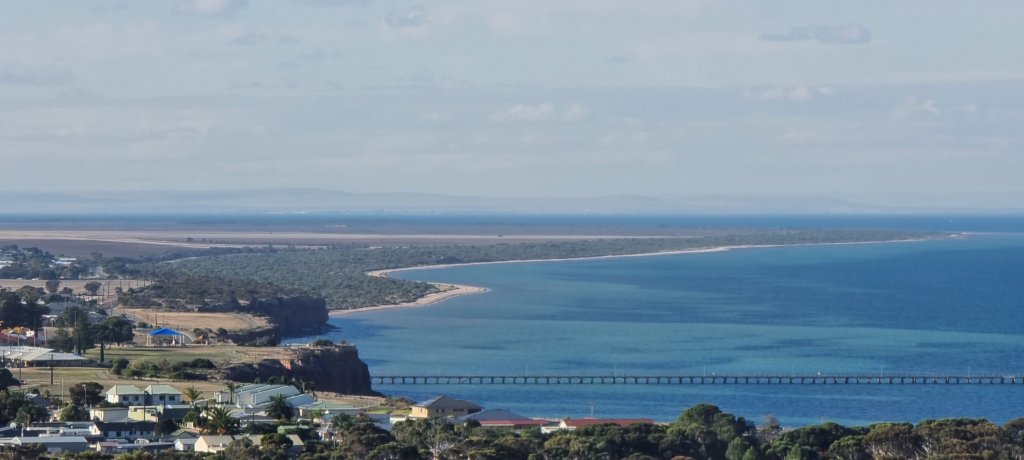
We travelled to the Yorke Peninsula (South Australia) today, Wednesday 11th May 2022, and what stunning weather we had. Blue skies and variegated blue water. We enjoyed an amazing view over Ardrossan from the top of a lookout provided by Simec Mining. We were last here in 2019 and we revisit that story below.

Ardrossan
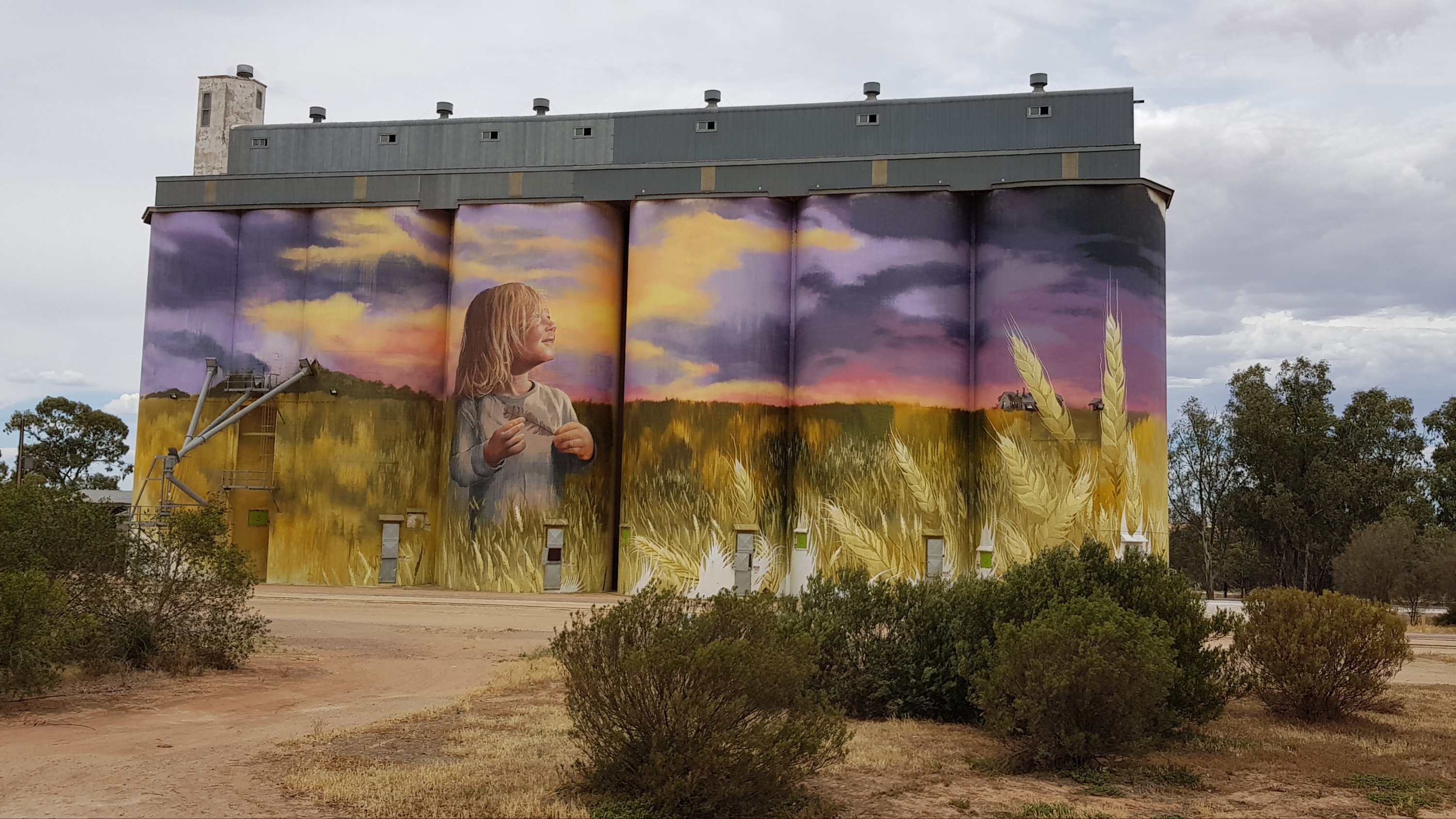
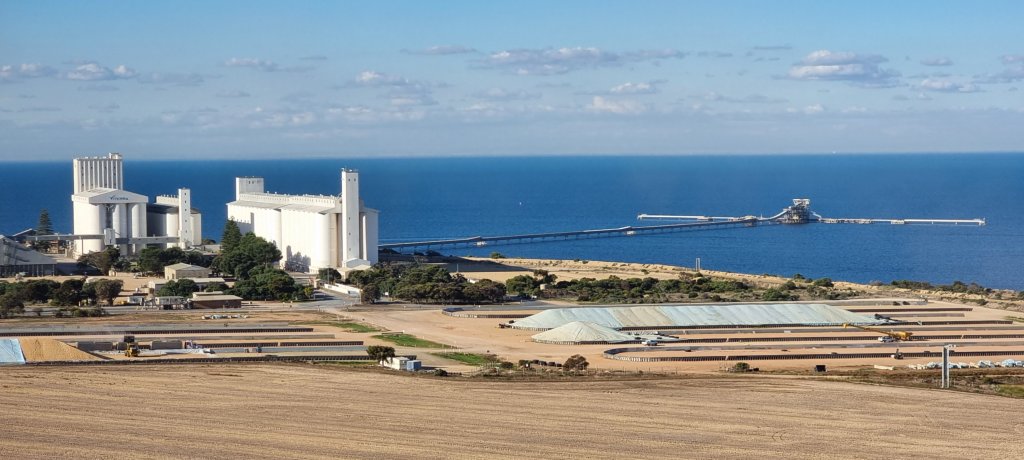
Ardrossan Silos

At the beginning of February 2019, we spent five nights at the small coastal town of Wallaroo on South Australia’s Yorke Peninsula. When we were first poring over the map, we thought we were back in Italy with its very similar boot looking outline. They may both have a comparable climate and beautiful sandy beaches, but that’s where it ends. The food, the history, the museums, the churches, they are all so very different.

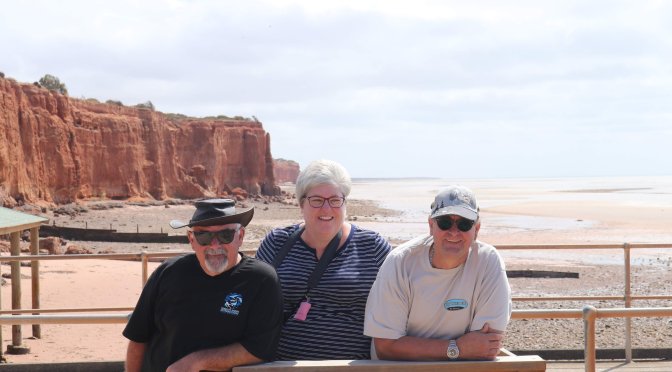
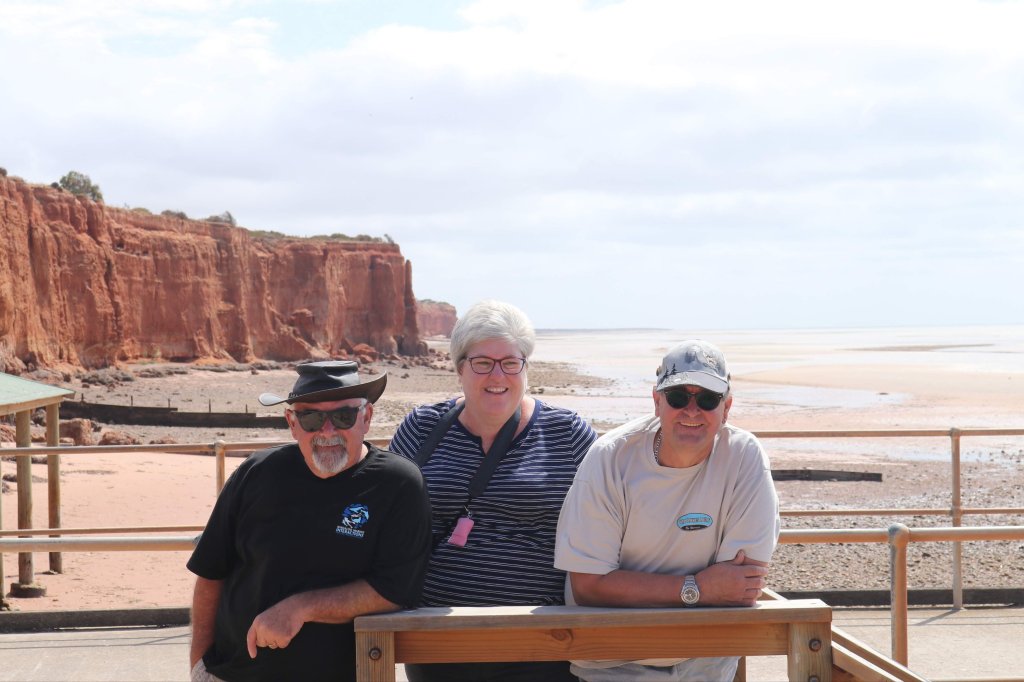
Ray, Liz and John

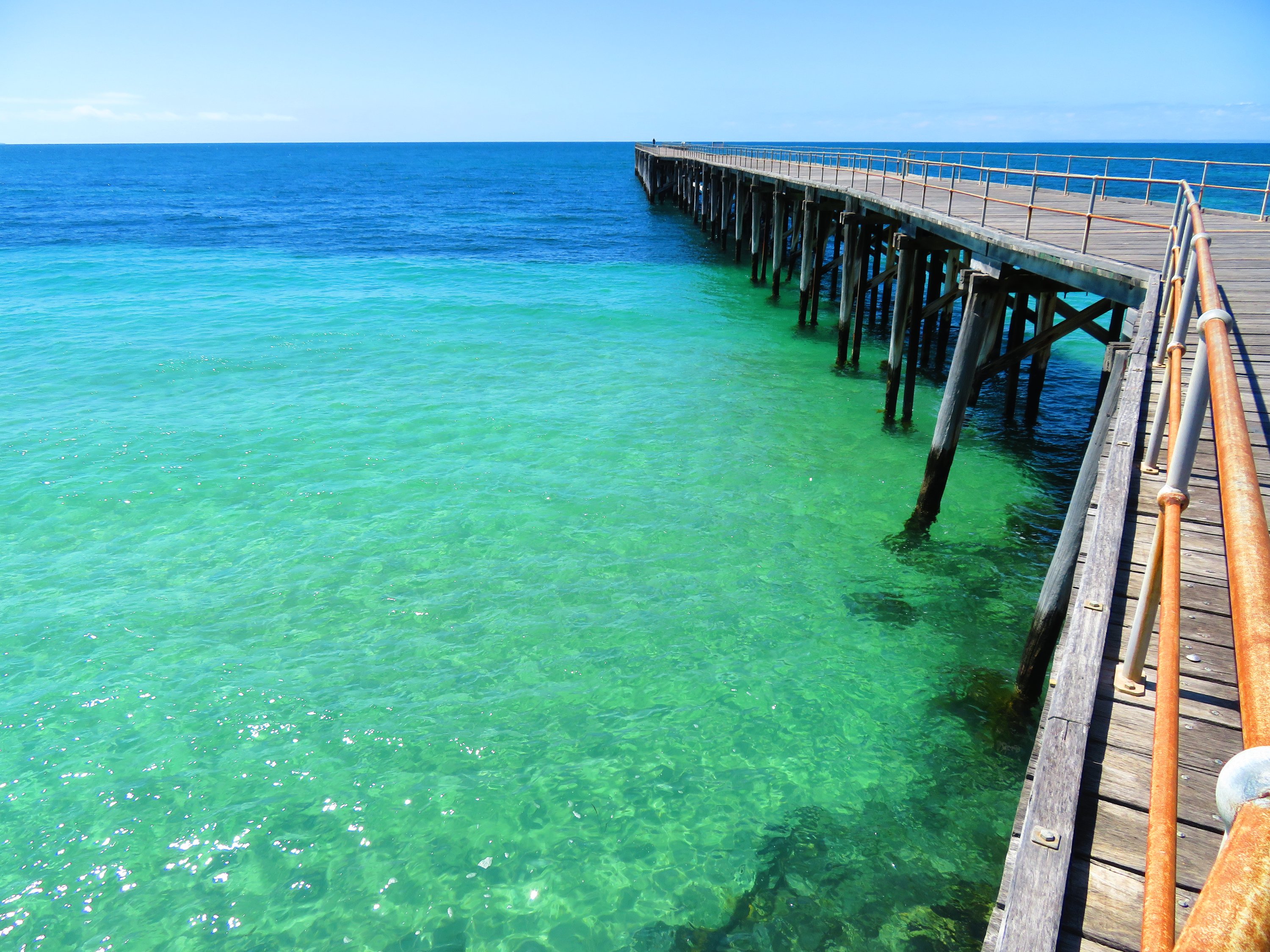
The Yorke Peninsula has 700kms of coastline, with amazing beaches and scenery. There are a variety of towns, both coastal and inland to explore. Each one is unique in its history and landscape. Although we based ourselves in Wallaroo we didn’t actually explore much of the town itself. They have a Heritage and Nautical Museum, Marina, jetty, playground, golf club, and beautiful beaches. Copper was discovered in 1859 and the ore exported through the port. Today it is a big exporter of grain. Wallaroo, along with the towns of Kadina and Moonta, is also part of the Copper Triangle, because Copper was mined there from the late 19th century. The three towns are also known for their Cornish ethnicity and the area is known as Little Cornwall. Every two years a large Cornish themed festival, Kernewek Lowender, is held and claims to be the world’s largest Cornish Festival outside of Cornwall. The festival is being held this year from the 13th – 19th May. Unfortunately, we will be in Alice Springs, but we have put it in the calendar for 2021! Moonta is another quaint town and we enjoyed walking along the main street before having lunch in The Cornish Kitchen. Ray and Liz had the Cornish Pasty and gave it top marks for taste and authenticity. A five-minute drive from Moonta is Moonta Bay, and wow, how stunning is this beach! There is a long jetty which we walked along and saw quite a few folk fishing and crabbing. Halfway along the jetty, there is an area that has been fenced off as a safe swimming spot.

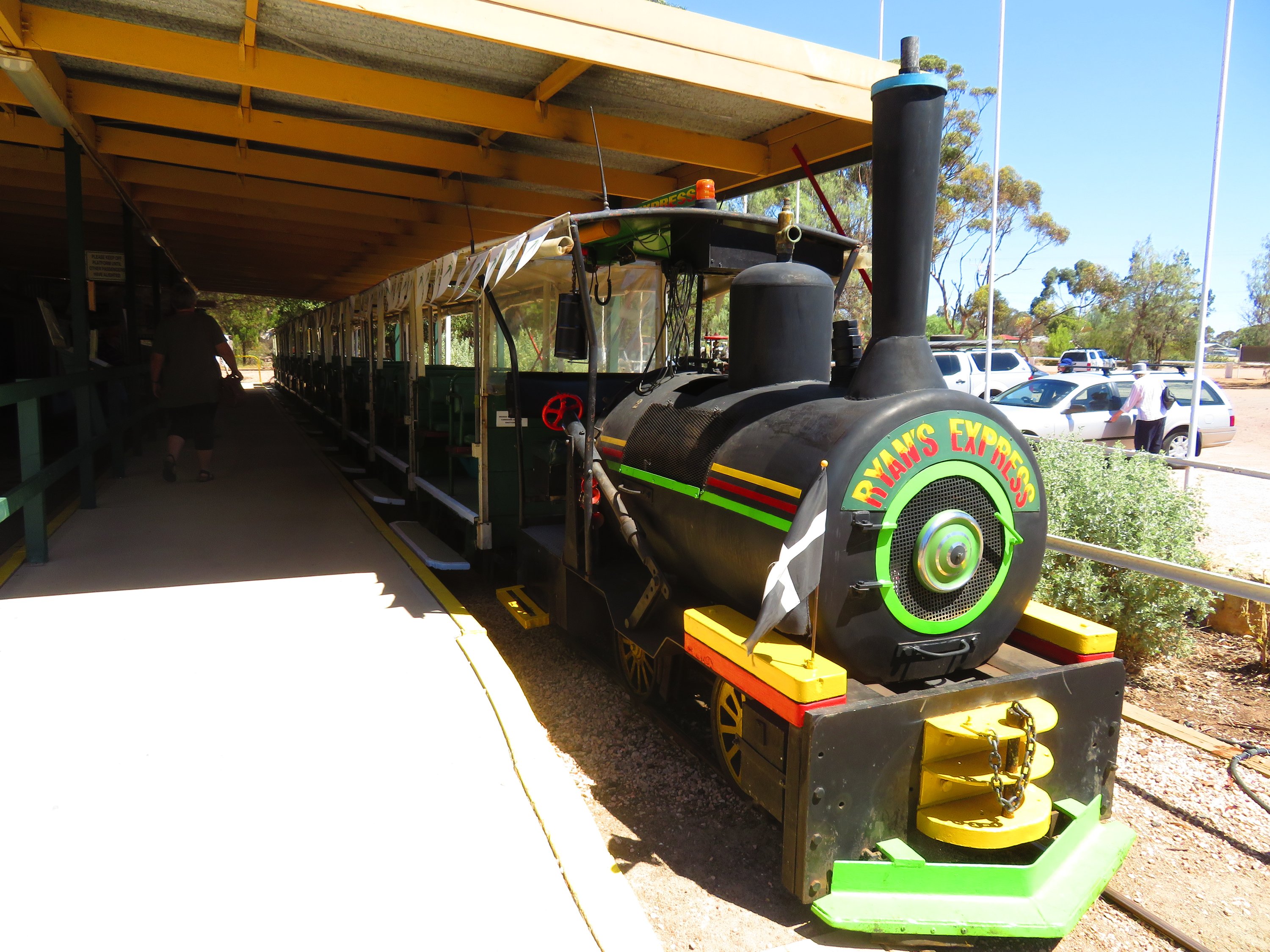
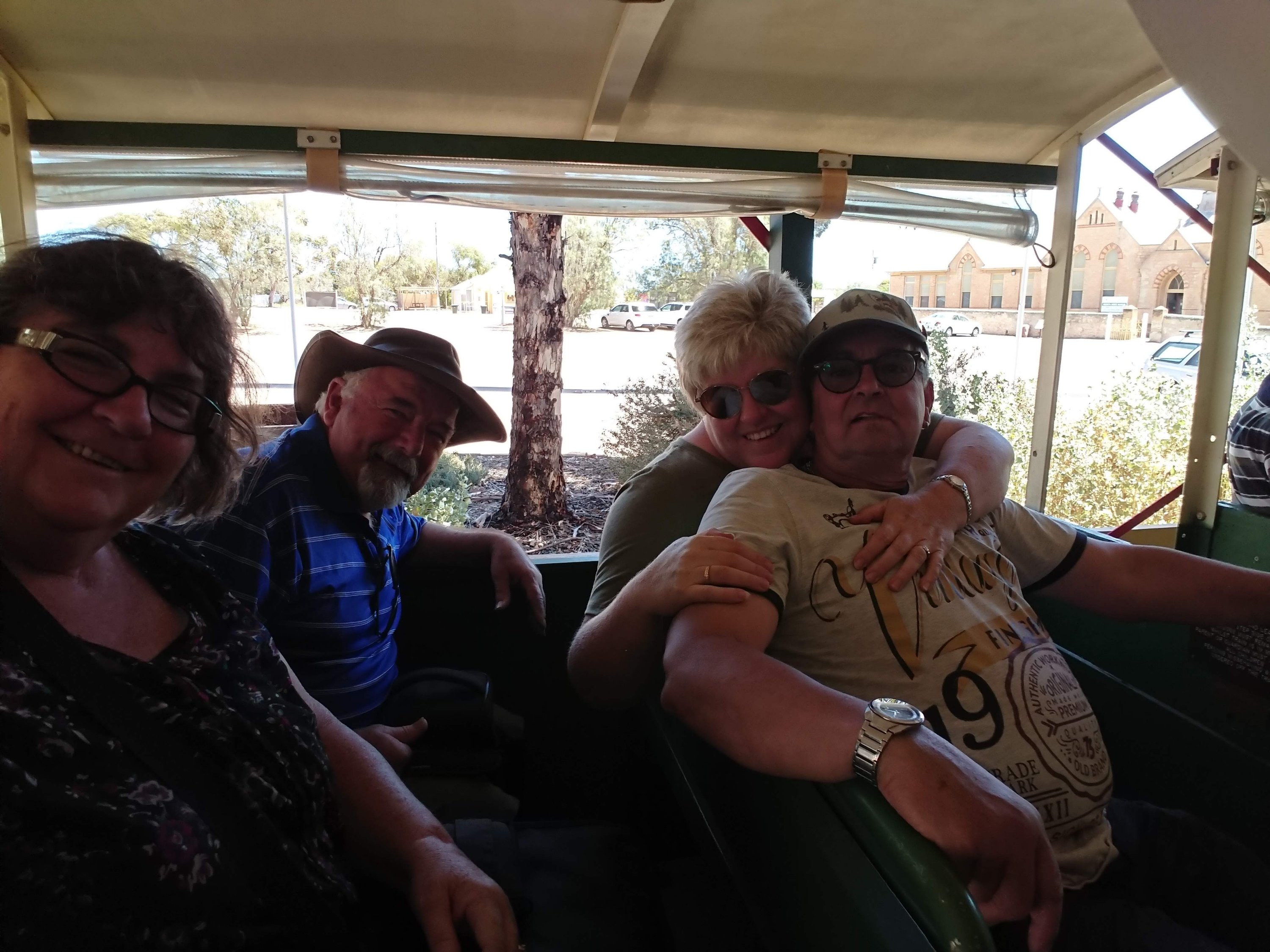
After visiting the Visitor Information Centre we decided to go on the Moonta Mines Tourist Railway. This was a fifty minute round trip on a narrow gauge rail, taking in the history of the copper mining operations. We went along and joined about forty other people on the small train that was operated by volunteers of the National Trust of SA Moonta Branch.

Rather than relying on our memory of the commentary by the Volunteer Train Driver, here is the explanatory text from the National Trust website – “Until the 1890’s all work underground was done by manual labour. No machines were used. The shafts were dug by hand using basic tools and blasting powder. To get from one level to another miners climbed up or down step ladders. Some shafts went as deep as 2,500 feet. The ore was hauled to the surface by horse whims. Engine houses were built to pump the brackish mineralized water from the mines. Hughes’ Pump House was constructed in 1865 and worked continuously until the mines closed in 1923. In all there was about 80 miles of shaft and drives in the area.

At its peak in the 1870’s around 2000 men and boys were employed by the Company. Pickey boys were paid 11 pence per day for a 6 day week. 16 — 21 year olds averaged 3/- to 5/- per day and men over 21 averaged 5/- to 8/- per day. The miners were paid on a percentage of the value of the copper they dug out.” This was a very informative and enjoyable journey and we would highly recommend if in the Moonta area.

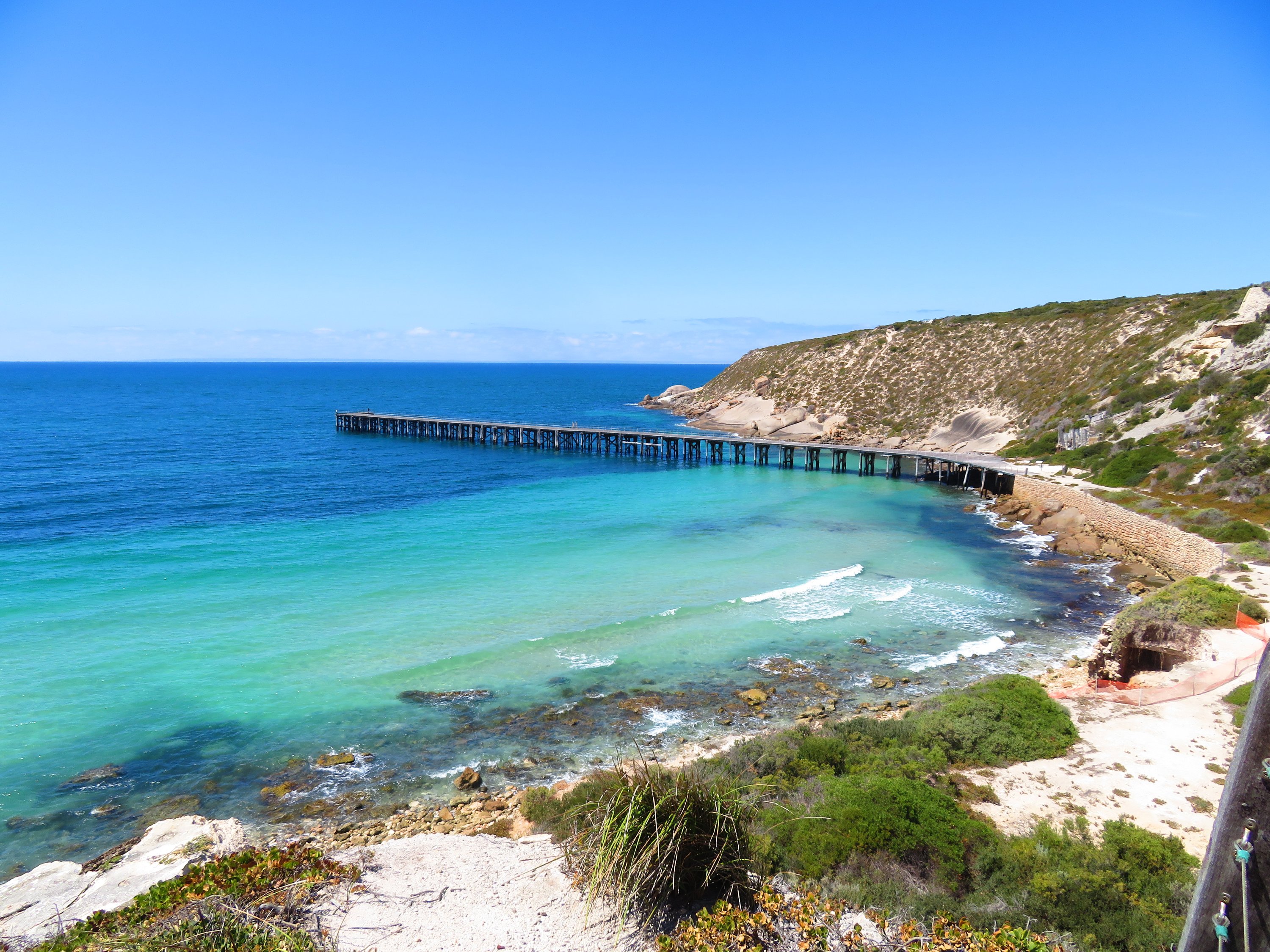
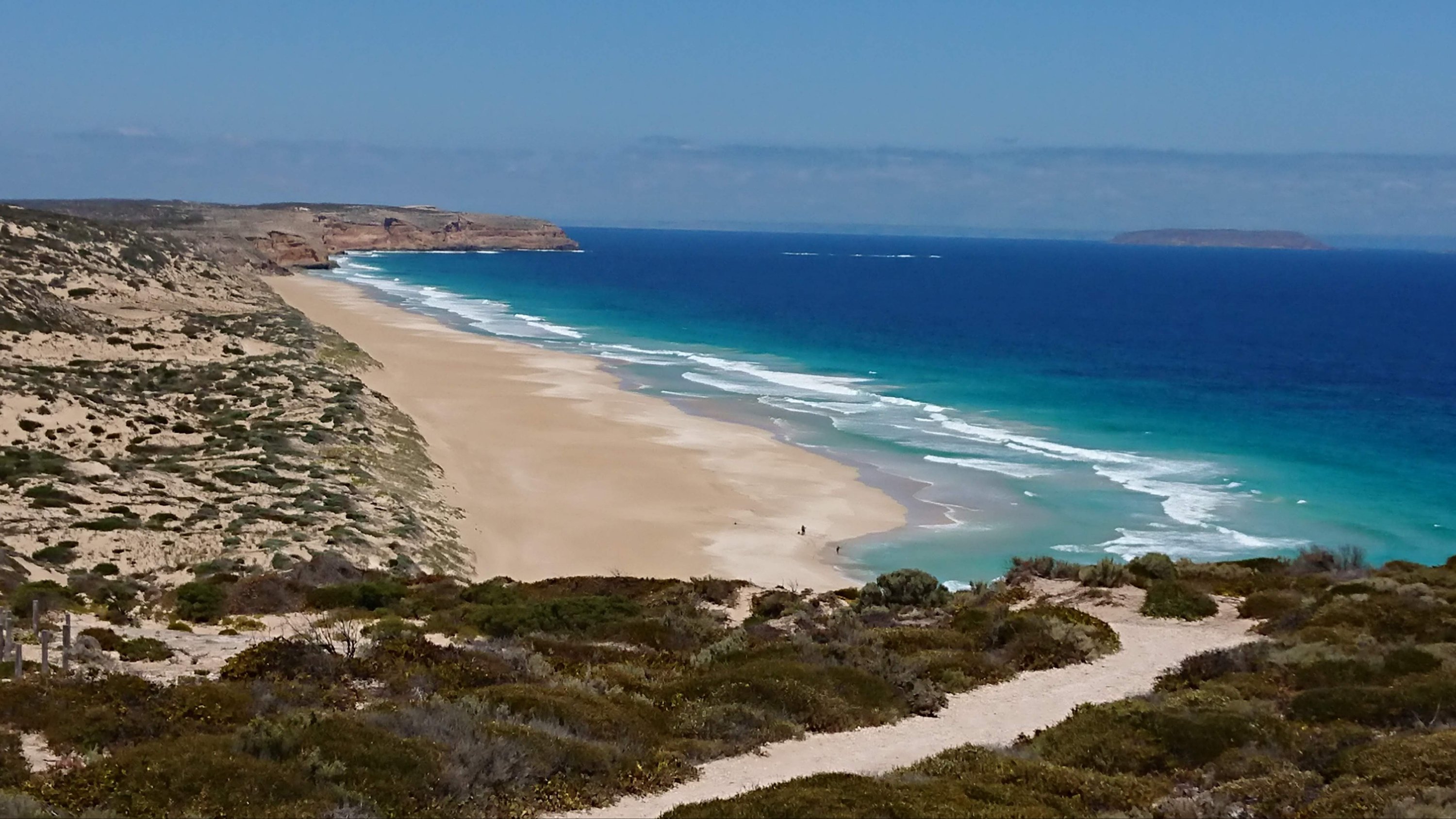
Our last full day we drove from Wallaroo down to the bottom of the peninsula to Innes National Park which was absolutely spectacular. The national park occupies most of the land on the south-western tip of Yorke Peninsula. Some of the places we visited were Marion Bay, Chinamans Hat, Pondalowie Bay, and Stenhouse Bay. One day wasn’t long enough and we will most certainly be returning to explore in greater detail. Huge thanks to John and Liz for their company, their cooking skills and driving us around.

Volunteer Caretakers at The National Pioneer Women’s Hall of Fame

We were very excited to arrive at our long awaited destination and home for the next three months.  The museum is located in the Heritage Precinct of Alice Springs which also houses the Royal Flying Doctor Service Tourist Facility (RFDS) and the Reptile Centre. A variety of tour buses base themselves outside the RFDS and their passengers don’t have to walk far to see all three attractions.

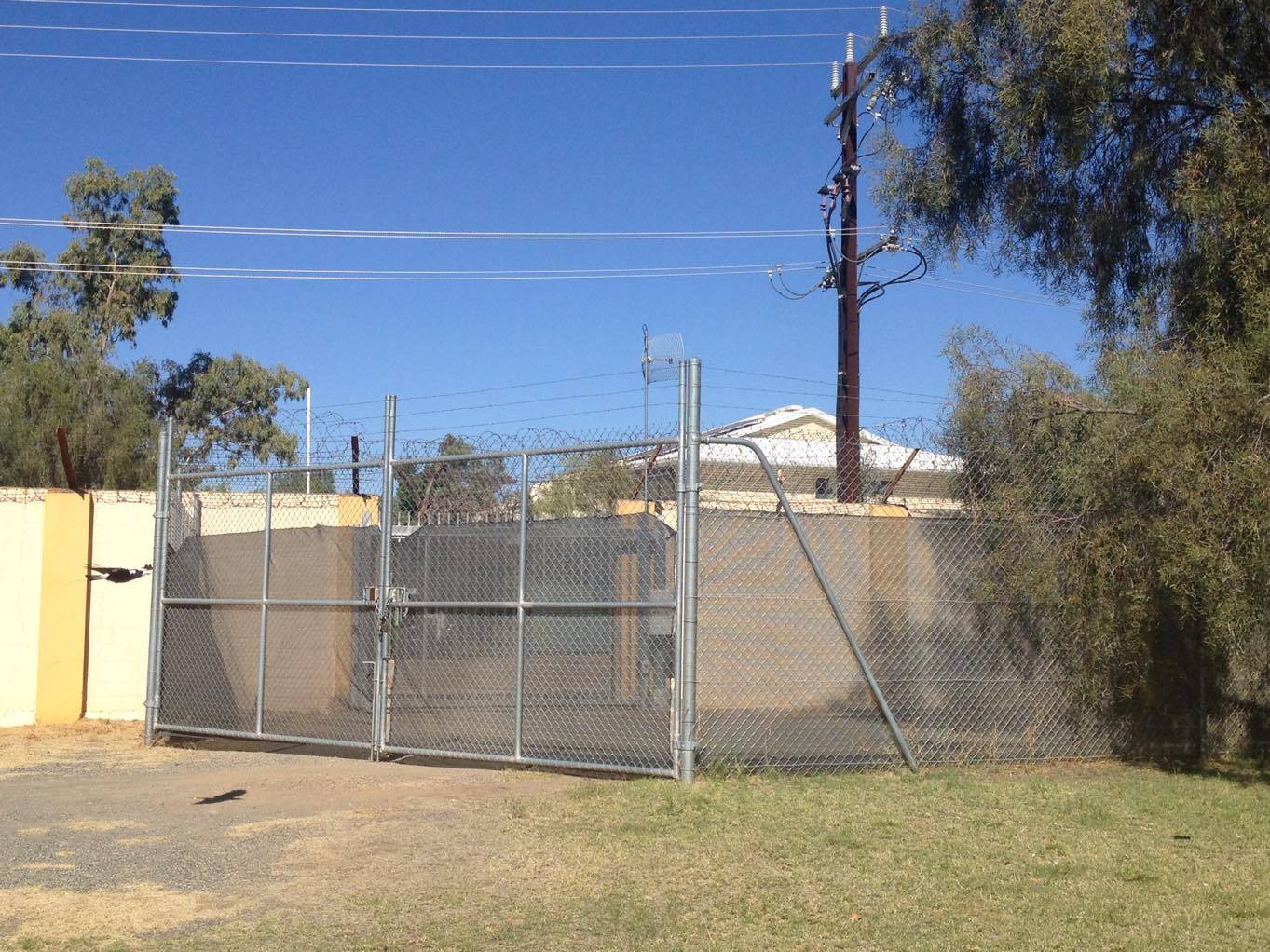
The museum is located in the old Alice Springs Gaol and Labour Prison. It is heritage listed and like most gaols, is surrounded by barbed wire along the perimeter fences. We were going to be staying inside the facility and had to pull the caravan through two sets of gates to get to our site.  When we first enquired about the position we had to measure the height of our van.  It had to be under 4 metres high to fit under the barbed wire that went across the top of the first gate.  Even the barbed wire is heritage listed and therefore cannot be cut or removed. So unless we could drive under without dragging the wire with us, we would not have been able to apply for the role.

Entry gateIn the picture above you can see the sliding gate in the brick wall. Above that is the roll of barbed wire.
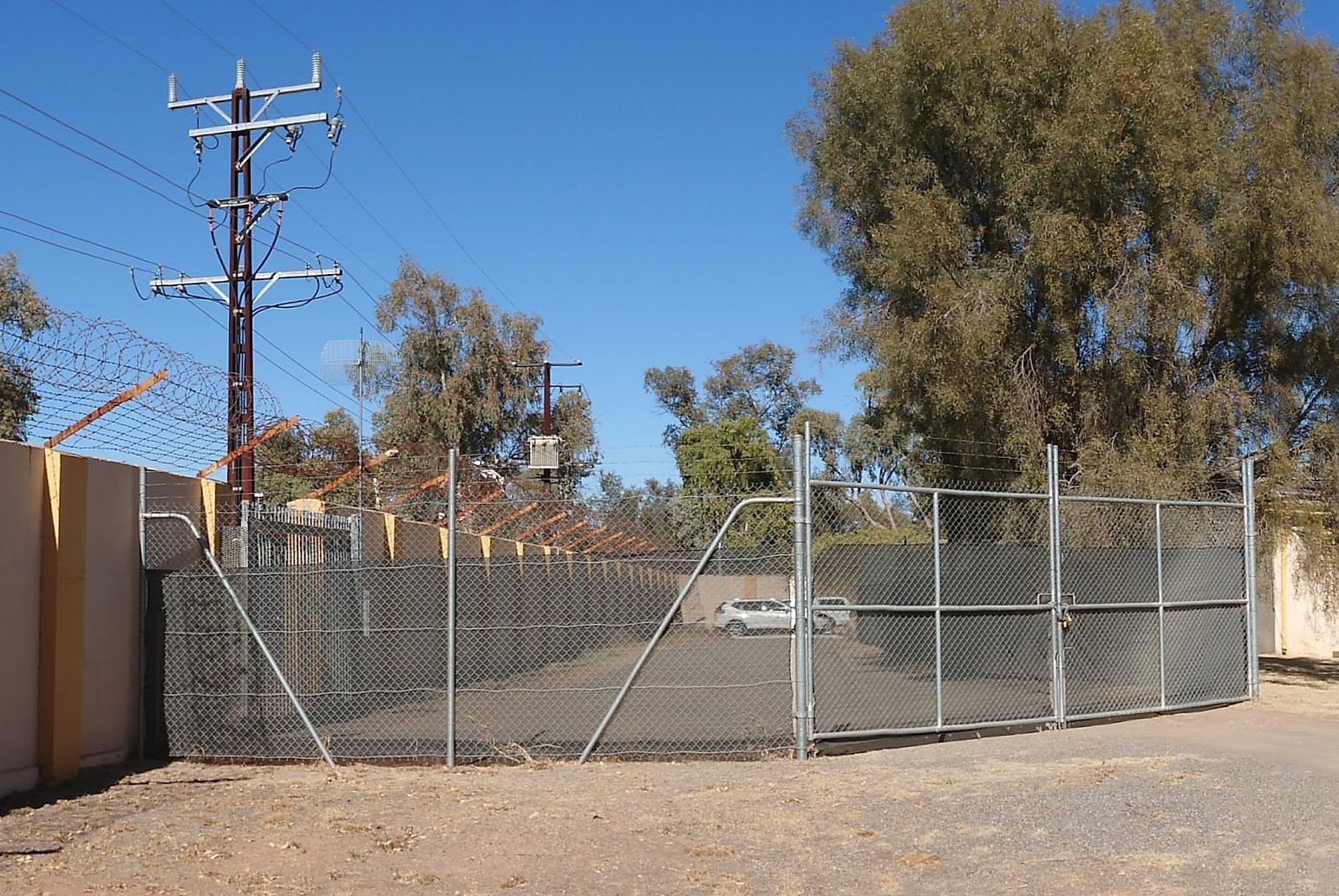
Gateway inIn this next photo you can see the two padlocked gates into the grounds of the museum.
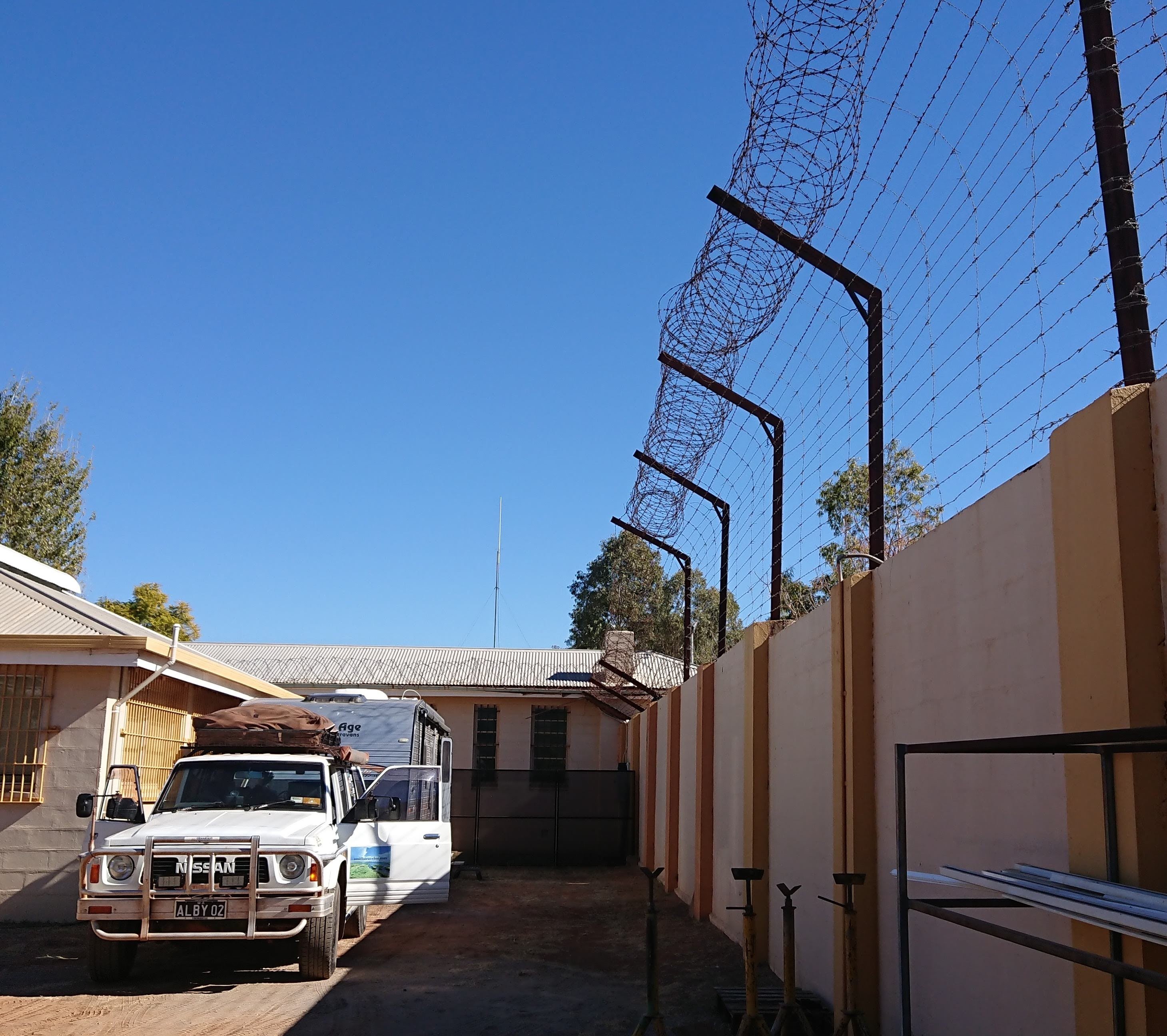
img_20180716_201028_0715038817467861321999.jpgThanks to the brilliance of Ray’s driving skills not only did he get through the first and second gates, but he reversed in to the site in one go! He breathed a huge sigh of relief!
dsc_2313548599243529865388.jpg

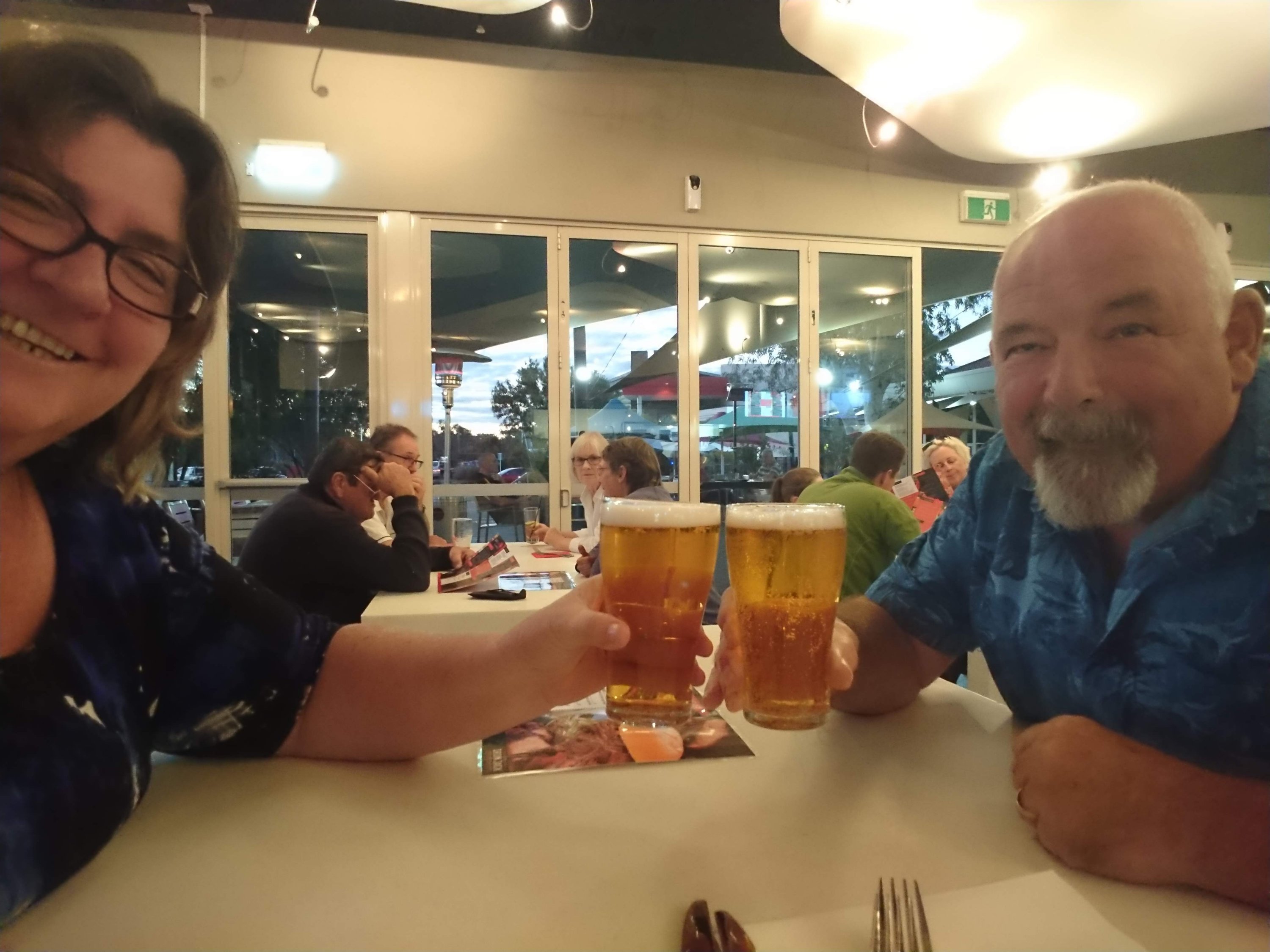
After a few days to settle in and have our orientation we jumped into our roles with gusto. The staff and other volunteers have made us feel very welcome. Ray is in his element keeping the grounds tidy and doing odd jobs. He even has access to a man shed! He is also a whiz at covering library books with sticky contact! Jude is enjoying her role as a Volunteer in the Old Gaol Shop. This involves greeting visitors, processing admission fees, giving people a brief overview of the museum and selling merchandise. We are meeting so many interesting people from all around Australia and overseas.

The National Pioneer Women’s Hall of Fame is one of two women’s museums in Australia. It is dedicated to preserving the place of women in history for their special contribution to Australia’s heritage.  It was founded in 1993 by a lady called Molly Clark who lived at Old Andado Station, south east of Alice Springs.  Molly was disappointed that the Stockman’s Hall of Fame in Longreach, Queensland, was only about men. The museum has been based in the Old Alice Springs Gaol since 2007, and also explores the history of the Gaol which was in operation from 1938 to 1996. We would highly recommend you make a special trip to Alice Springs and come visit the museum!

From Julia to Alice….Alice Springs that is!

In August last year whilst caretaking in Tasmania, we saw a job advert in the Grey Nomad Times asking for Volunteer Caretakers in Alice Springs.

Caretaker Advert

The line that caught our eye and our attention was “Have you ever wanted to stay in an historic gaol?” Well of course we did and in fact we had already done so. In 2016 we stayed in Fremantle Gaol in the converted Women’s section for our wedding anniversary. Ray and I made contact with the Business Manager and had a good chat about the role. We didn’t have to think twice before filling in the application form and emailing it off. Referees were contacted and a few days after applying we were delighted to find that we had been accepted to start in July 2018.

So over the next eleven months we carried on travelling and attending various events that we have written about in earlier blogs. But throughout that time, hardly a day passed where Alice wasn’t mentioned. So many people told us that we would love the town and gave us ideas of things to do and places to see whilst there.

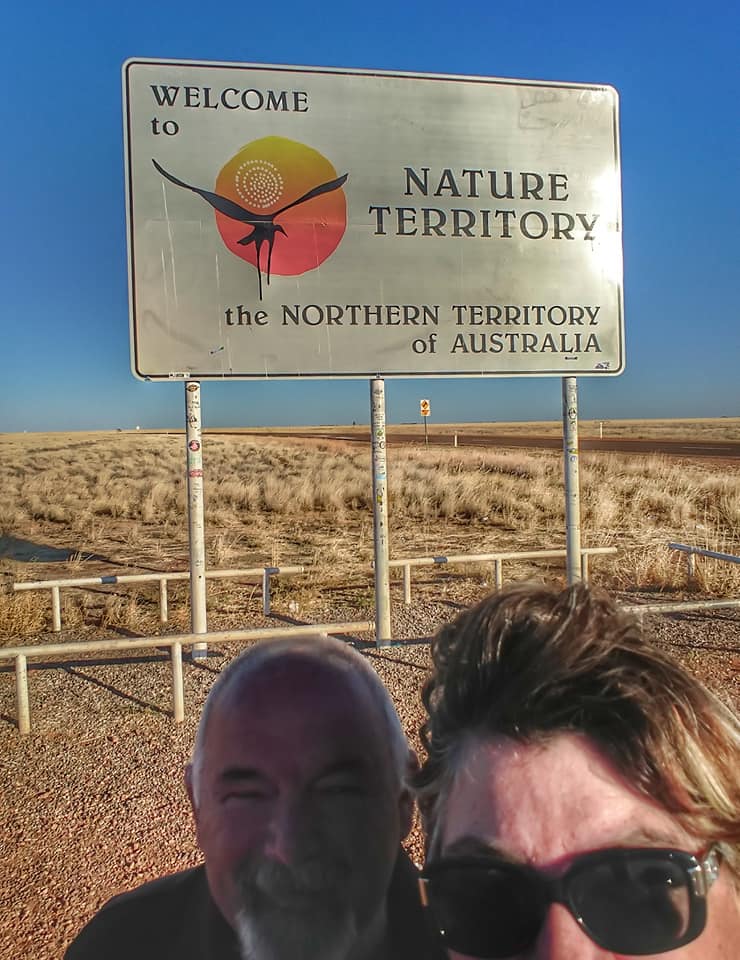
Mid July, we left Julia Creek, Queensland, and continued along the Overlander’s Way, passing though Cloncurry, Mount Isa and Camooweal, before finally making it over the border into the Northern Territory.  We had finally made it into all the six states and two territories of Australia!NT sign

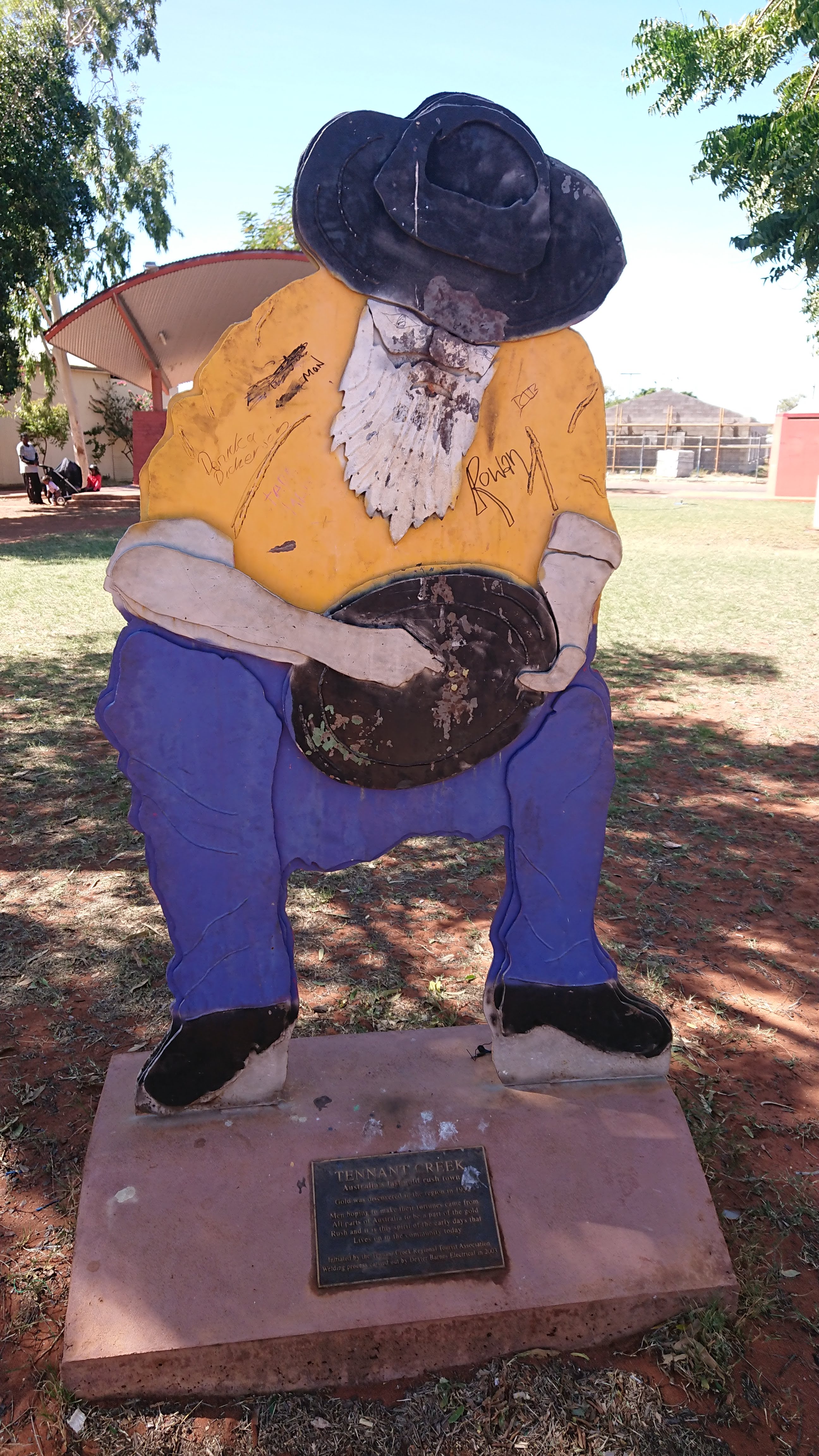
It was another 966km from the border to Alice Springs, so we only drove 457km to Tennant Creek. We broke our journey there and stayed for two nights. Tennant Creek is an interesting town and we had heard many stories from various folk we had met on the road. Half the people said to avoid it due to issues with the local indigenous population, and the other half said it was worth exploring. We can only go on our experience, but we would stay there again. We stayed at the Tennant Creek Caravan Park which is on the highway and next door to the BP Service Station. We had a drive thru site, the amenities were good, staff friendly and we felt very secure. We walked downtown and had no problem with the locals. We wouldn’t walk around at night time but then we wouldn’t walk the streets at night in Perth or any other major city! We do acknowledge that there are many social issues and problems with the locals and alcohol is probably a big cause. The media has also documented many problems including domestic violence and child abuse. However on the days we visited we did not experience any discord ourselves.

20180710_123943

The stories of the Warumungu people and their culture are showcased in the Nyinkka Nyunyu Cultural Centre. The Warumungu and other Aboriginal groups including the Warlpiri, Kaytetye and Alyawarra people have a history in the area spanning 40,000 years. Unfortunately we were too late to visit the centre on the day we were in town but will definitely check it our on our return.

The European history of the town began in 1860 when the explorer John McDouall Stuart came through during an attempt to cross the continent from South to North. The town was also home to one of the Overland Telegraph Stations which was constructed in the 1870’s and in the 1930’s it was the site of Australia’s last gold rush and at that time was the third-largest gold producer in Australia.

DSC_2154

We left Tennant Creek and headed the 509km south to Alice Springs. On the way we passed the Devils Marbles; Aliens in flying saucers, Anmatjere Man, Woman And Child and wild camels.

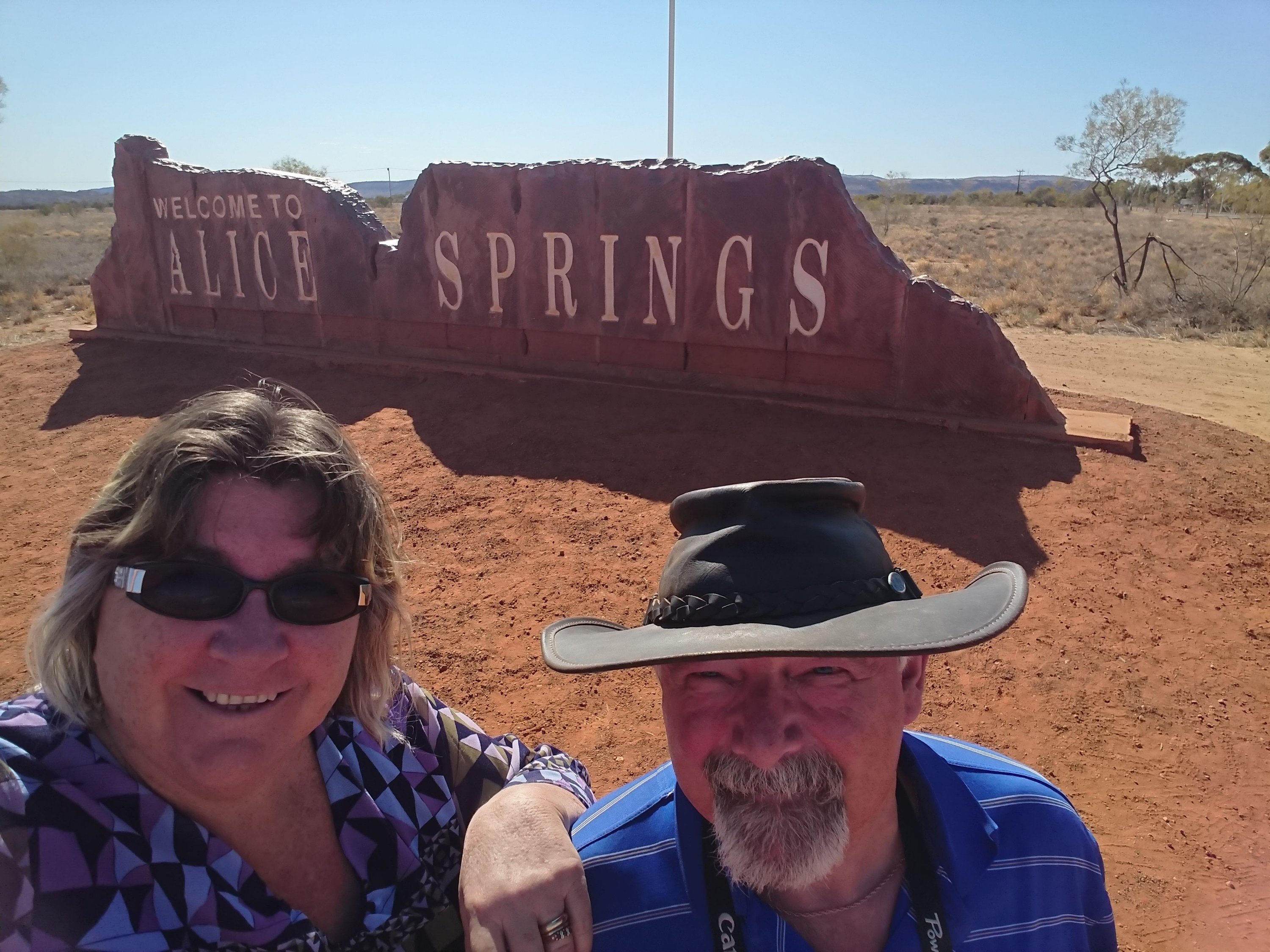
And then there was the iconic sign to show that we had finally made it to our long awaited and highly anticipated destination!!dsc_24875623992878927110029.jpg

Burke and Wills DID NOT visit Julia Creek…..but Ray and Jude did!! 😄

Julia Creek – we spent eight nights at this amazing little town that is on the Overlander’s Way, the route from Townsville, Queensland to Tennant Creek in the Northern Territory.

dsc_2017.jpgJulia Creek, population 500, is the main town in McKinley Shire, with a population of 1100, but an area of over 40,000 square kilometres. The shire has gone out of its way to make up for its small population by attracting tourists, particularly grey nomads like us.

We stayed at the Julia Creek Caravan Park and highly recommend it. It is owned by the council and the manager Phil and his son Jamie were brilliant with excellent customer service.  It has a brand new amenities block and provides four enclosed bath houses each fitted with two large claw footed bath tubs that fill with the hot artesian waters.  On Monday nights, the two pubs are closed for meals so local not-for-profit groups cook up a bush dinner at the caravan park and Council provides a free courtesy bus from the RV campsite.

The country around Julia Creek was originally stocked with sheep but drought master and brahman cattle have taken over in recent years. The town and surrounding properties are sustained with water from the Great Artesian Basin. Authorities are now managing the taking of water from the Basin far better than the early days. It is the largest and deepest artesian basin in the world covering over 1.7m square kilometres, including most of Queensland. The water comes to the surface at between 30 and 100 degrees celsius. Coal seam gas extraction is believed to be affecting the quality and quantity of water in the Basin. In Julia Creek water from the Basin is stored in in a 100,000 gallon capacity 30m wine glass shaped water tower. It is illuminated at night by a blue light and can be seen 2km away.

The town is also home to the endangered Julia Creek Dunnart, an extremely shy nocturnal hunter found on the Mitchell grass downs around the town. The marsupial is only about 160mm-240mm in length, including its tail. Their numbers were decimated by introduced species such as foxes and cats and the prickly acacia bush. To breed up their numbers, a seven kilometres fence has been erected around a section of grass downs to exclude predators. They are very timid and nocturnal, but they can be seen at the award winning ‘At the Creek’ Visitor Centre during feeding times.

After we saw the Dunnart being fed, we stayed behind and watched a number of short videos about the history of the town and local area. One of these video’s was of the towns folk talking about the naming of the creek and those who had explored the area. Burke and Wills were mentioned. Burke’s connection with the creek is unlikely, as most accounts put the explorer’s route at least 50 km west of the junction of the creek and the Cloncurry River. It became very apparent and was stated very strongly by various residents that “Burke and Wills DID NOT come to Julia Creek!” It was very funny and a few of us kept quoting that for the remainder of our stay. (One of those times you had to be there to find the humour in the situation.)

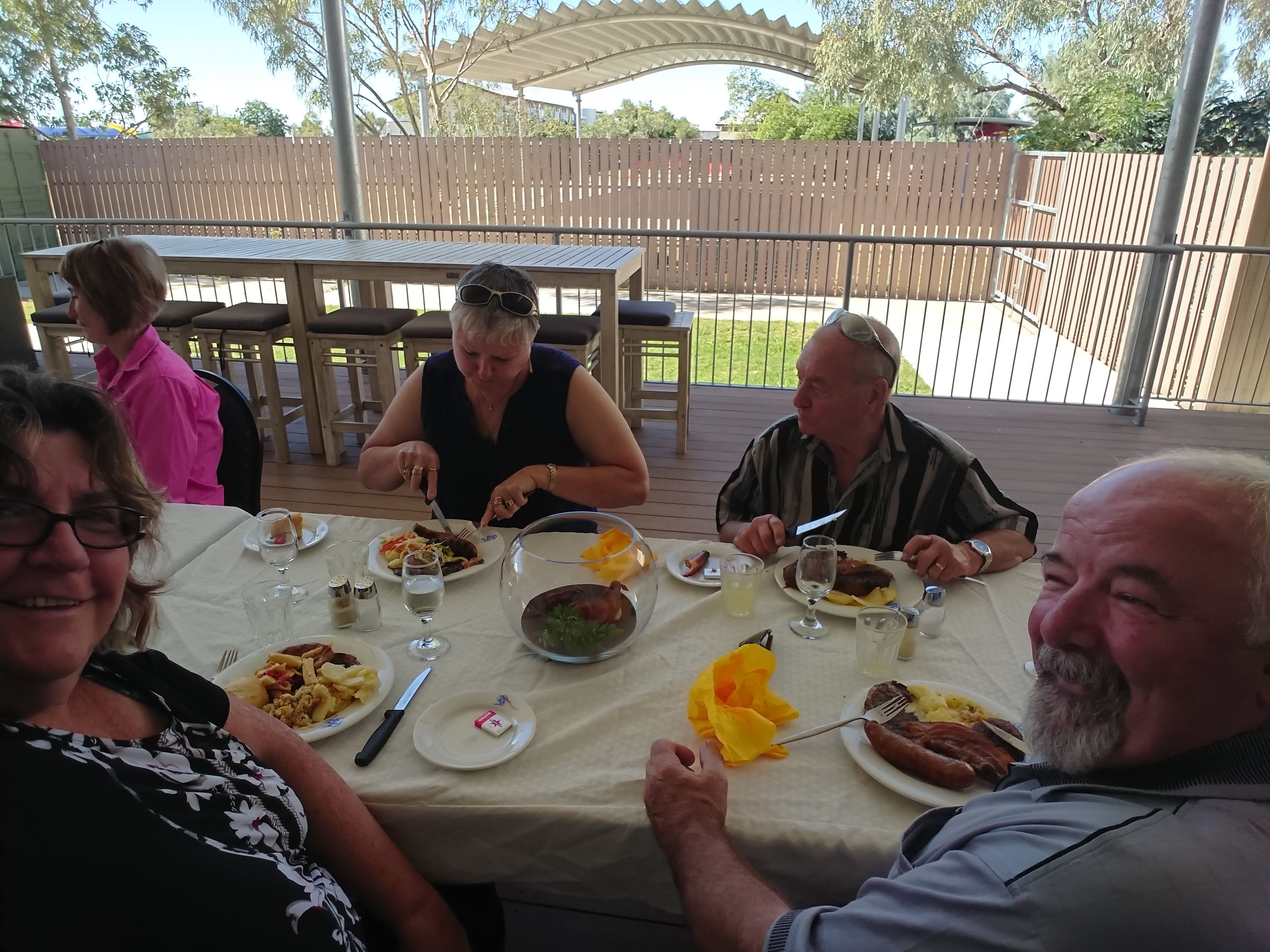
Image may contain: one or more people and textWe were very fortunate to be in town when this luncheon was on and to be able to attend. The food was devine and plentiful! One of the Visitor Information ladies, Joanne, was a superb greeter and server! It was great to hear Cr Shauna Royes talk about life on the land, and meet Cr Janene Fegan and Mayor Belinda Murphy.DSC_2081
The pictures below show a mural depicting the early history of the town being a Cobb & Co Coach exchange, Spirit of the Light Horse Brigade sculpture outside the RSL, and the main street of Julia Creek.