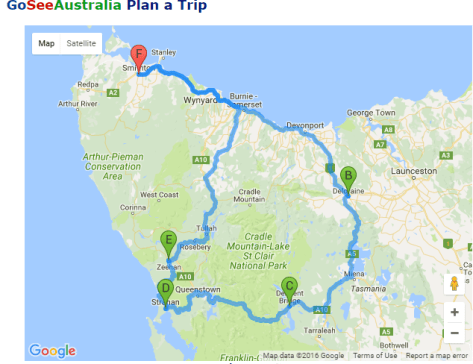
715 Kilometres in 33 hours

screenshot-45

We hadn’t been exploring anything major for a couple of weeks so decided that not only would we visit the Wall in the Wilderness at Derwent Bridge but we would also explore some of the mid west coast of Tassie.

We had done the route from Smithton to Deloraine a few times already and it was a lovely drive through the spectacular Great Western Tiers mountains.  The Great Western Tiers are a collection of mountain bluffs that form the northern edge of the Central Highlands.

From Deloraine we drove south along the western side of the Great Lake. This is Tasmania’s second largest freshwater lake. Back in September when we were staying in Longford we had driven down part of the eastern side of the lake. On both sides there are small communities of holiday/fishing shacks. Some look very old and ramshackle and a few are quite new and modern. They are in very isolated areas with few if any amenities.

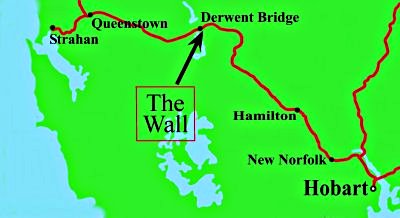
We continued along the Highland Lakes Rd until we reached the Lyell Highway. If you turned left you would have gone to Hobart but we turned right and went through Derwent Bridge where we stopped and visited the Wall in The Wilderness which we wrote about in our previous blog entry.  After leaving the Wall we drove 85km along the highway to Queenstown. Wow, what a journey that was – totally awesome scenery and the most hair raising hair pin bend road into the town. Part of the route took us fifty six kilometres through the Franklin-Gordon Wild Rivers National Park. It is a region of dramatic mountain peaks, beautiful rainforest, deep river valleys and spectacular gorges. The park is famous for the wild and pristine rivers that twist their way through the wilderness. The Franklin River itself has become synonymous with Australia’s largest conservation battle – the battle to save the Franklin from a proposed hydro-electric power scheme which would have flooded the river.

We spent the night in Queenstown but due to the rolling mists and steady fine rain, we didn’t explore as much as we wanted. The next day we awoke to the most beautiful sunny day and we drove up to the Iron Blow Lookout  where gold was discovered in 1883. That initial discovery was followed by the detection of vast deposits of copper, which proved far more profitable for the region’s mining companies.

Ray flew the drone up and over the cantilevered lookout which gave superb views of the open cut mine and surrounding landscape of the Linda Valley, Queenstown and Lake Burbery.

We left Queenstown and headed back to Smithton via Strahan, Zeehan, Rosebery, Tulla, Waratah, Hellyer Gorge and Wynyard. More spectacular scenery and lots of interesting buildings etc that require a longer stay in the area at a later date. All in all it was a brilliant weekend full of wow, ooh, ahh!

The Wall in the Wilderness

During our time in Tassie we would regularly hear people talk about The Wall – had we been? If not, why not? Initially we thought they were talking about the Walls of Jerusalem National Park. which is not accessible via road. It is more for well-equipped and experienced bushwalkers – something we are not! But a few weeks ago we spoke to someone and found out people had been talking about The Wall In the Wilderness.

We decided to go exploring last weekend and visit The Wall – wow, what an experience.

the-wall-map

“Artist Greg Duncan is creating a stunning sculpture at Derwent Bridge in the heart of Tasmania. The Wall in the Wilderness is Greg Duncan’s commemoration of those who helped shape the past and present of Tasmania’s central highlands. 

A work in progress, The Wall is being carved from three-metre high wooden panels. The carved panels will tell the history of the harsh Central Highlands region – beginning with the indigenous people, then to the pioneering timber harvesters, pastoralists, miners and Hydro workers.

When completed The Wall will be 100 metres long. Greg Duncan’s sculpture The Wall will rank as a major work of art and tourist attraction in Tasmania.”

This is entirely self-funded, without government grants or corporate sponsorship and Greg does not allow photography of any sort to be taken, so the two pics above is all we were able to take outside at the entrance. The pics below are taken from the website.


Farewell faithful Saffy, welcome New Age Ozzie!
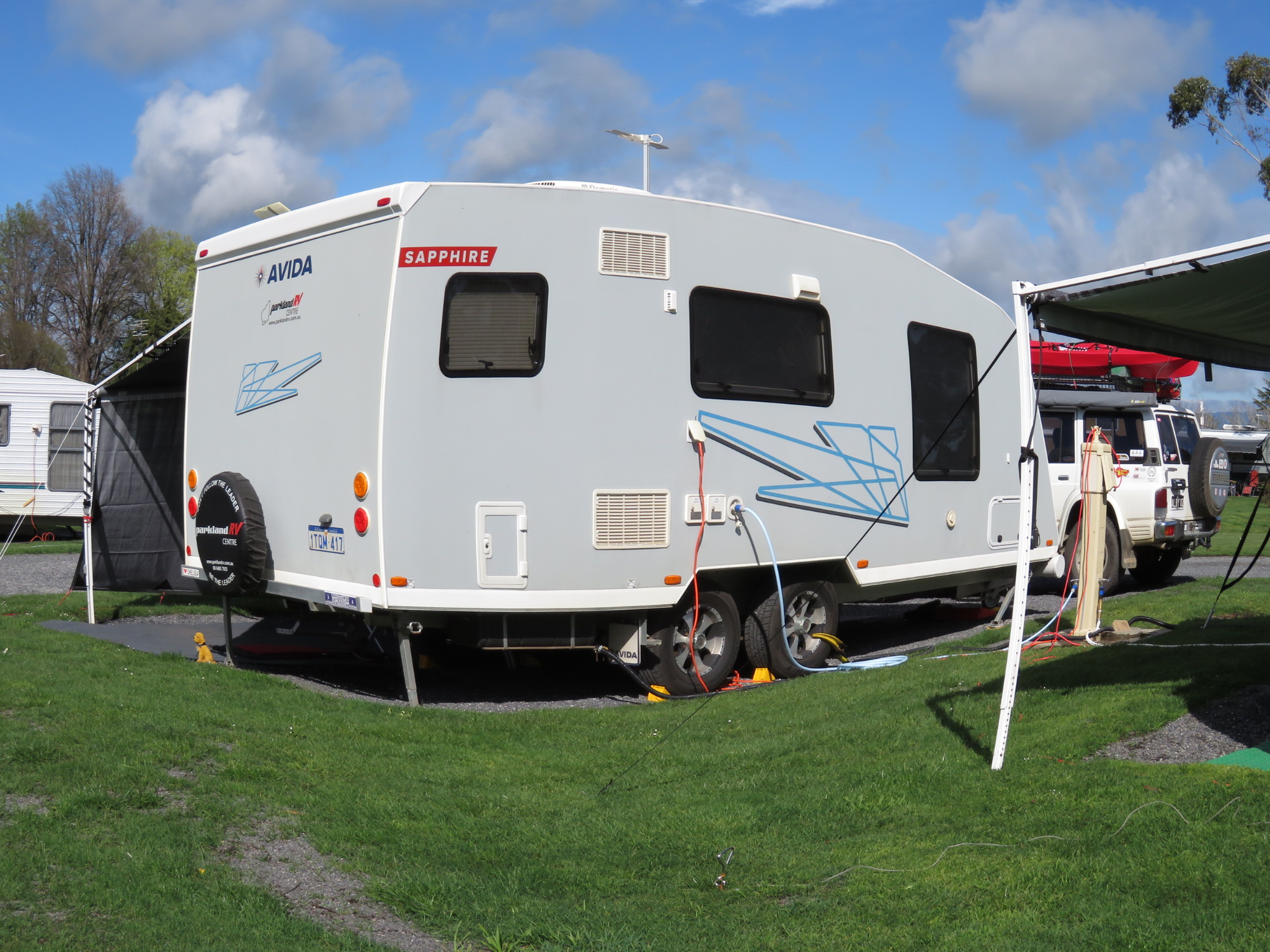
After travelling and living permanently in our beloved Avida caravan Saffy, we realised that she was not big enough for our needs.  Some of the main issues were the cafe seating was very uncomfortable when you wanted to relax and watch telly or a movie. The wardrobe space was very limited for storing all our clothing and the shower was very cramped. Fine when you were in caravan parks and could use the amenities but for free camping it was a pain!

Therefore after a bit of a search we came across a deal too good to pass up. We have traded Saffy in on a New Age Oz Classic called, Ozzie! There is a club lounge with integrated footstools, a lovely big shower, much more storage space and wardrobes that go across the rear of the van.  It is early days but so far we are very comfortable and happy with Ozzie.


Life on the Duck River

We arrived in Smithton on Ray’s birthday, the 14th October, and were booked to stay for two weeks. Nearly six weeks later we are still here!  River Breeze Caravan and Cabin Park is situated on the banks of the tidal Duck River, and just a ten minute walk from the town centre. It is an idyllic and ideal location that has seen Ray out and about on his kayak and fishing from the bank of the river. We are enjoying exploring the area in great detail as well as just spending lazy days relaxing in the sun and reading/chatting/snoozing.

Smithton is also home to the McCain potato processing plant where they manufacture the french fries and other potato items. The old Duck Butter factory is still in Smithton although the butter is now produced in Victoria.

The mascot at the park is Rosie the cat – she is absolutely beautiful and follows you around wherever you wander. She is also a very good hunter and keeps the park free of vermin!

From Launceston to the Edge of the World!

Launceston is the second largest city in Tasmania and is situated at the junction of the South Esk, North Esk and Tamar Rivers. It is the gateway to the north of the state. We had fun exploring this city by car, foot and boat. We enjoyed a cruise on the Lady Launceston an 1890’s style boat built in 2005. The skipper took us around the Old Launceston Seaport, along to Kings Wharf and then to the new riverfront precinct.

Then we cruised along under the bridge and into the spectacular Cataract Gorge. Wow, a truly amazing sight to see from the water but later in the afternoon we walked along the pathway that follows the Gorge along its northern cliffs. Even more spectacular and what should have been a 15 minute walk was probably three times as long due to us stopping and admiring the different views. We were even spellbound by the sight of two men abseiling up the steep cliff face. We finally made it to the cafe for a drink and watched the amazing dance of the resident peacocks.

For the past three weeks we have been staying in Smithton in the far northwest of Tasmania. From here we have explored areas of rugged coastline/winding rivers/ancient rainforest/a volcanic rock and stood on The Edge of The World! This has included places such as Marrawah and Arthur River.  We also explored The Tarkine Drive which includes the Sumac Lookout, Julius River, Trowutta, Edith Creek, Stanley and The Nut!

Click on the blue hyperlinks for further info about these areas and also visit our new website smiffstraveloz.com  which showcases the “best bits” that we have seen!

Our new website

Due to much interest and positive feedback we have purchased a domain name and created our own website. We will still be updating this blog on a regular basis but the new site will specifically showcase our photography and videography.

Click on the following link to view the new site – smiffstraveloz.comsmiffstravelozlogocrop


Farmers, Artists and Miners

Brickendon – a World Heritage Listed Colonial Farm Village is in Longford, just down the road from where we were staying. Click on the link to learn about this amazing place and the history of the Archer family. It was settled in 1824 by William Archer, and the farm has been run and lived on by seven generations of his direct descendents. There are currently three generations still living in the beautiful old homestead.  We spent a good few hours wandering around exploring the site and thoroughly enjoyed our time there. An unexpected find was meeting a lady who works there but who spent her childhood living in Hilton around the corner from where Jude and her family lived. Christine and Jude had a great time chatting about people and places in common and it would appear her brother was in some of Jude’s classes at school.

Yet another town with UK connections is Sheffield and it is in the Kentish Council area. Talk about feeling like you were travelling through England!  Sheffield, Tasmania is known for the murals which are painted on the side walls of most of the buildings throughout the town.

There is also an international mural painting competition which has been held since 2003.  “Mural Fest, a mural painting competition held in Sheffield since 2003, sees nine artists engaged in a public paint off, over six and a half days. Each artist must complete a 4800mm x 2100mm mural, all using the same poem as their mural’s central theme and concept. Each year a poem is selected from the ‘Poem Competition’ to be used as the artists’ inspiration.”  

There is so much to see in and around Sheffield, such as Devils Gate Dam, Mount Roland and Lake Barrington to name just a few. Call into the Visitor Information Centre.  Talk to the lovely, chatty, informative ladies – you will go in as a stranger and leave feeling you have made new friends!

For those of you from our home state of WA, you may know Beaconsfield is a medium sized suburb just out of Fremantle and the area where Jude went to high school. But here in Tasmania, Beaconsfield is a town, a town with a history of gold, wealth and survival.

The town began its early life as ‘Brandy Creek’ because of the colour of the water in the creek where the gold was originally discovered. It was renamed Beaconsfield, after Lord Beaconsfield, the then Prime Minister of the UK.

Gold was first discovered in Beaconsfield in 1847.  At the peak of the gold rush 700 men were employed in the gold mine and 26 tonne of gold was recovered.

It is the survival part that put Beaconsfield on the global radar back in 2006.  Ten years ago (Anzac Day,25th April) two miners were trapped one kilometre underground for 14 days after a dramatic rock fall. Tragically a third man was killed in the rock fall. The Beaconsfield gold mining operations finally ended with the closure of the mine in June 2012.

The history, the mine buildings and the story of the rescue are now within the Beaconsfield Mine and Heritage Centre and if in the area, we would thoroughly recommend a visit. However don’t leave it too long to visit as some recent news may change what is available to view – “There are concerns a 35-metre sinkhole could form at the Beaconsfield mine in Tasmania’s north, swallowing the mine’s iconic headframe and part of its heritage museum. Cracks were discovered at the mine yard in July and part of the concrete yard has since collapsed by more than one metre. West Tamar Council General Manager Rolph Vos said recent rainfall had liquidised the underground soils which were pouring down the shaft.”Those clays and sands have become wet to the point that they are moving,” he said.”As those soils disappear, it has a resulting effect in the soils above and ultimately at the surface level.”We’re advised that it will collapse, it’ll take down the winder frame, it’ll take down the sky frame.”
“It will result in a crater that they estimate to be approximately 35 metres across.” ABC News, 12th October 2016.

Our Edge Pledge Challenge

Hi there Family and Friends,

Since beginning our travels, we have become very aware of the wildlife around us and quite passionate about those animals in particular that are on the edge of extinction. Therefore we have got involved with the Edge Pledge – a social enterprise which puts people ‘on the edge’ to raise money for wildlife on the brink of extinction. They exist to create a world­wide social movement that connects people and makes them a part of an enduring environmental transformation.

We are both doing different pledges but please don’t feel you need to support both of us – one would be better than none. However please don’t feel any obligation to support either of us if this is not your cup of tea. We won’t be offended and totally understand that this type of activity is not for everyone.

If you would like to get involved simply click on the links below and it will take you to our individual Edge Pledge pages.

Many thanks, Ray and Jude


Jude’s Edge Pledge for the endangered Southern Brush-Tail Rock-Wallaby, Jude is going to either quit social media (Facebook/Instagram/Blog) for a month, lose weight or go without speaking for a week. Vote now for what she should do

Ray’s Edge Pledge to help save the Tasmanian Devil, Ray is planning to either wear nail polish for a week, go without junk food for a month or quit alcohol for a month. Vote now for what he should do

Playful Platypus, Paper Penguins & Pesky Plovers!

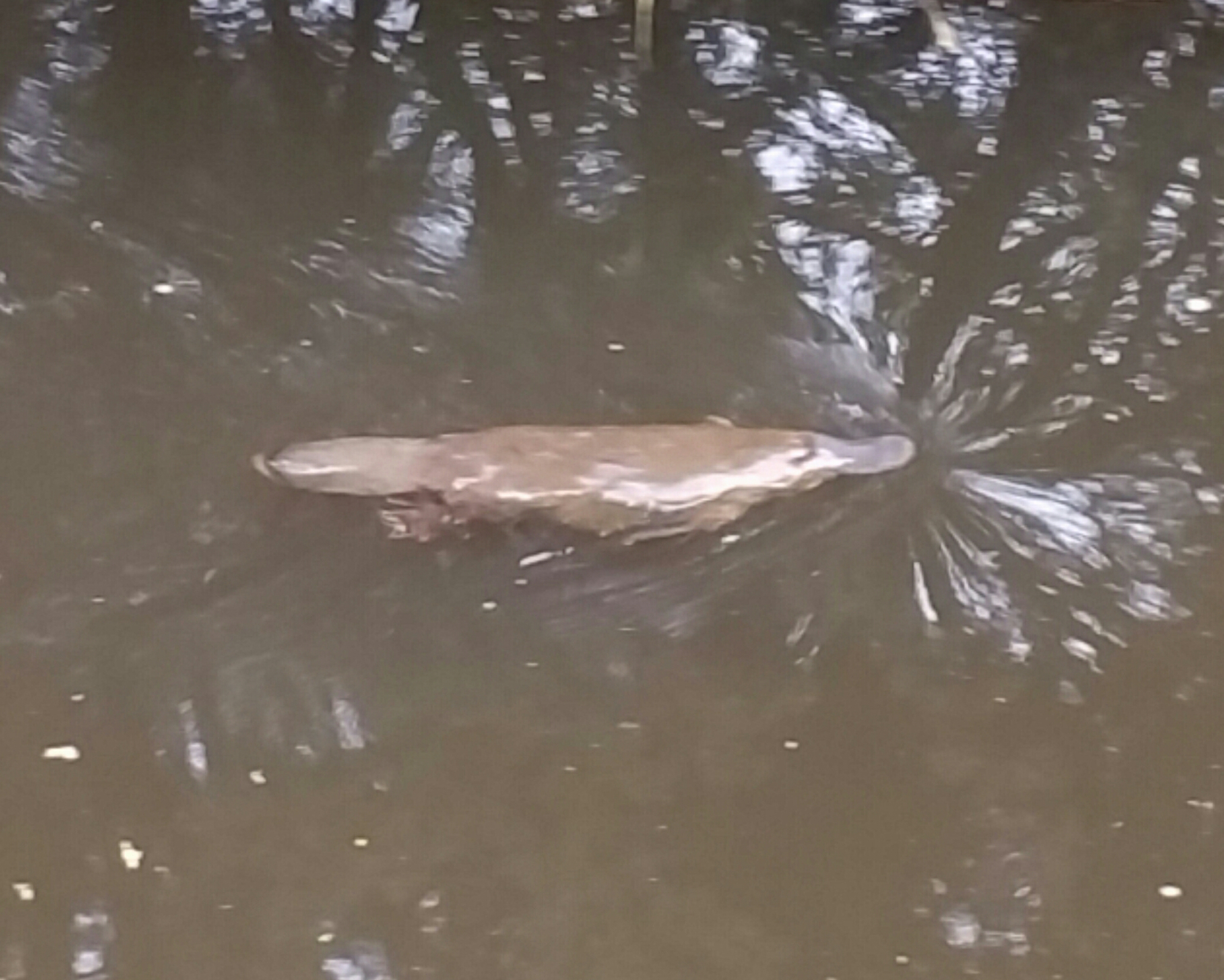
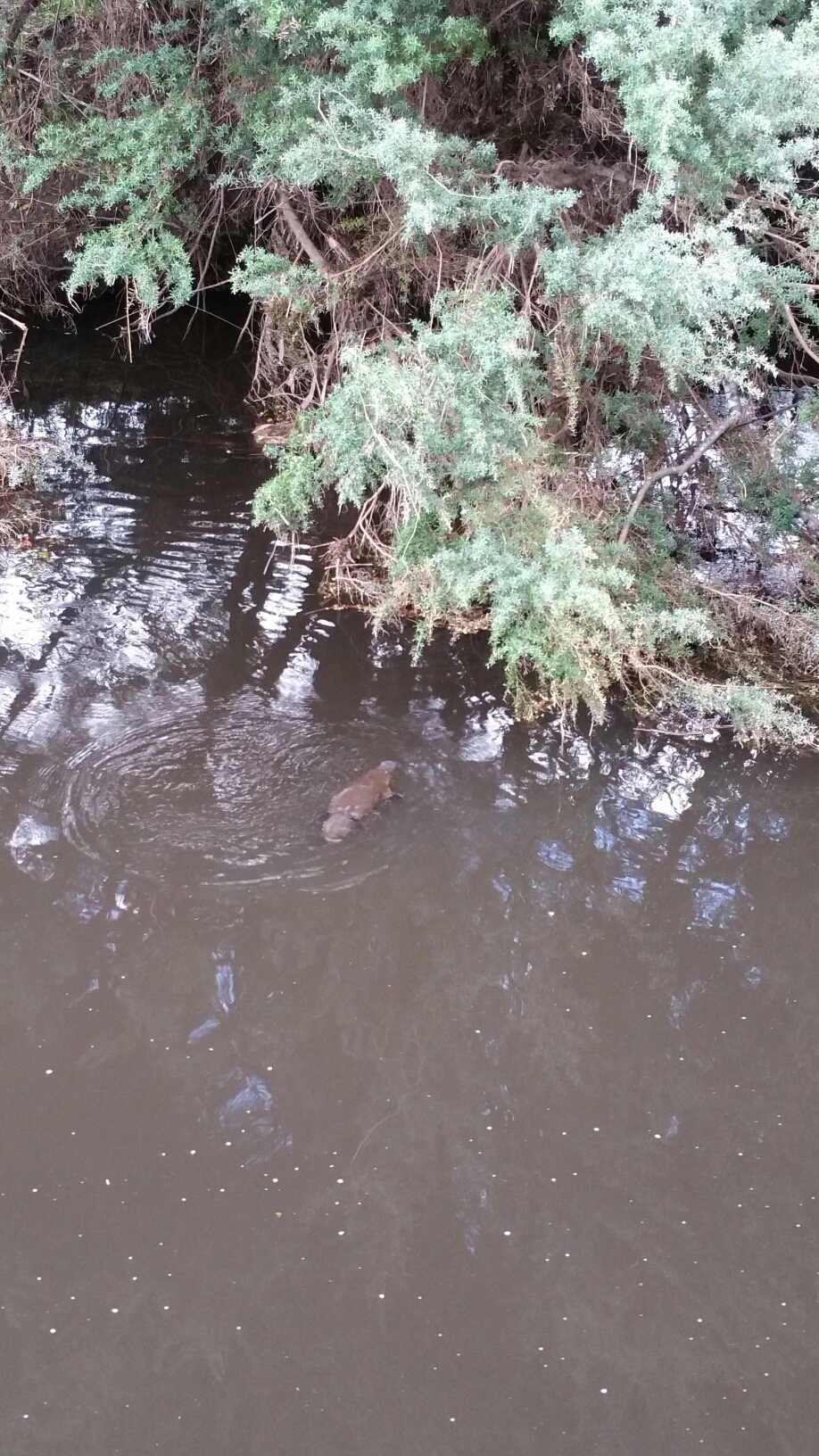
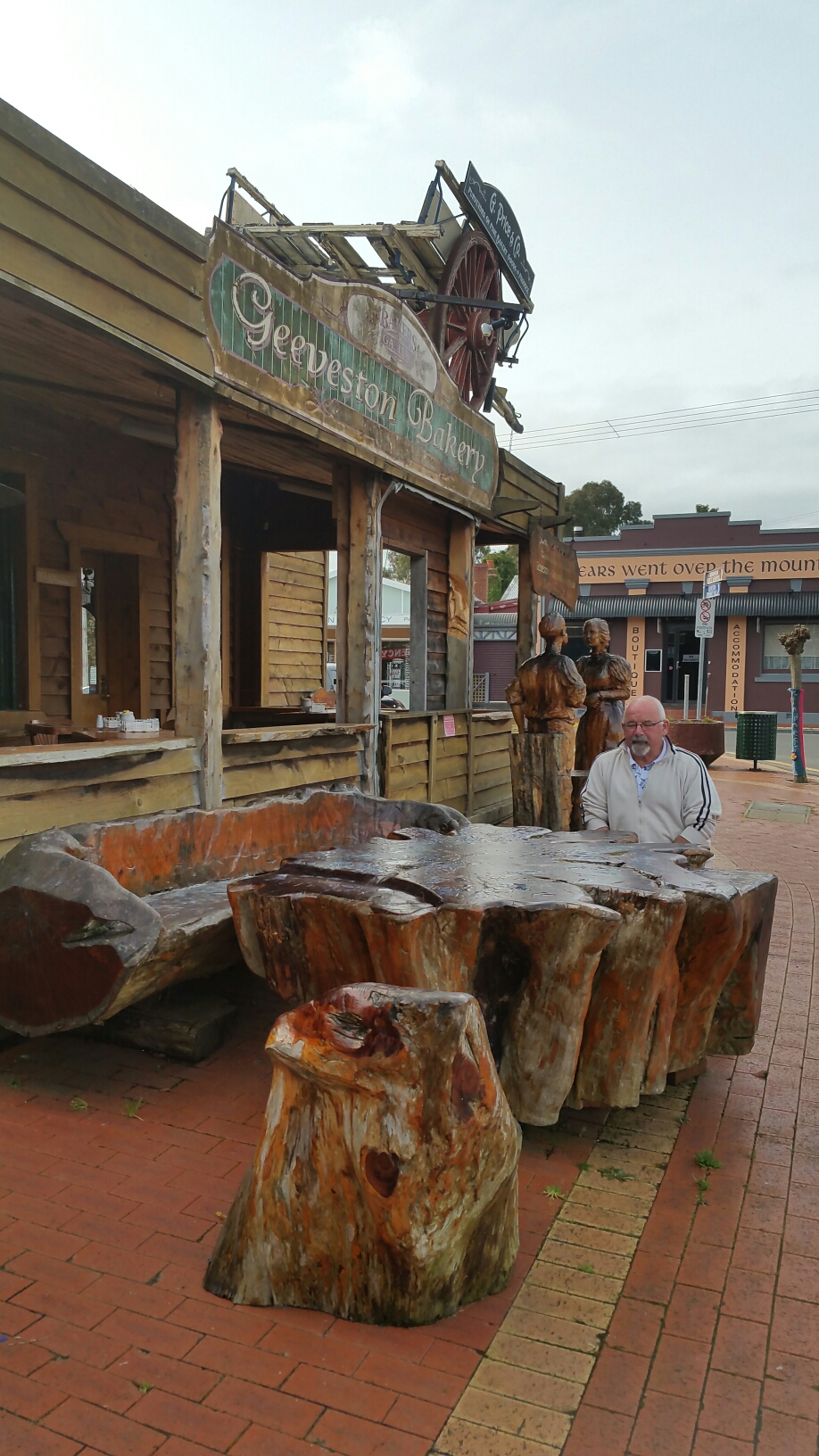
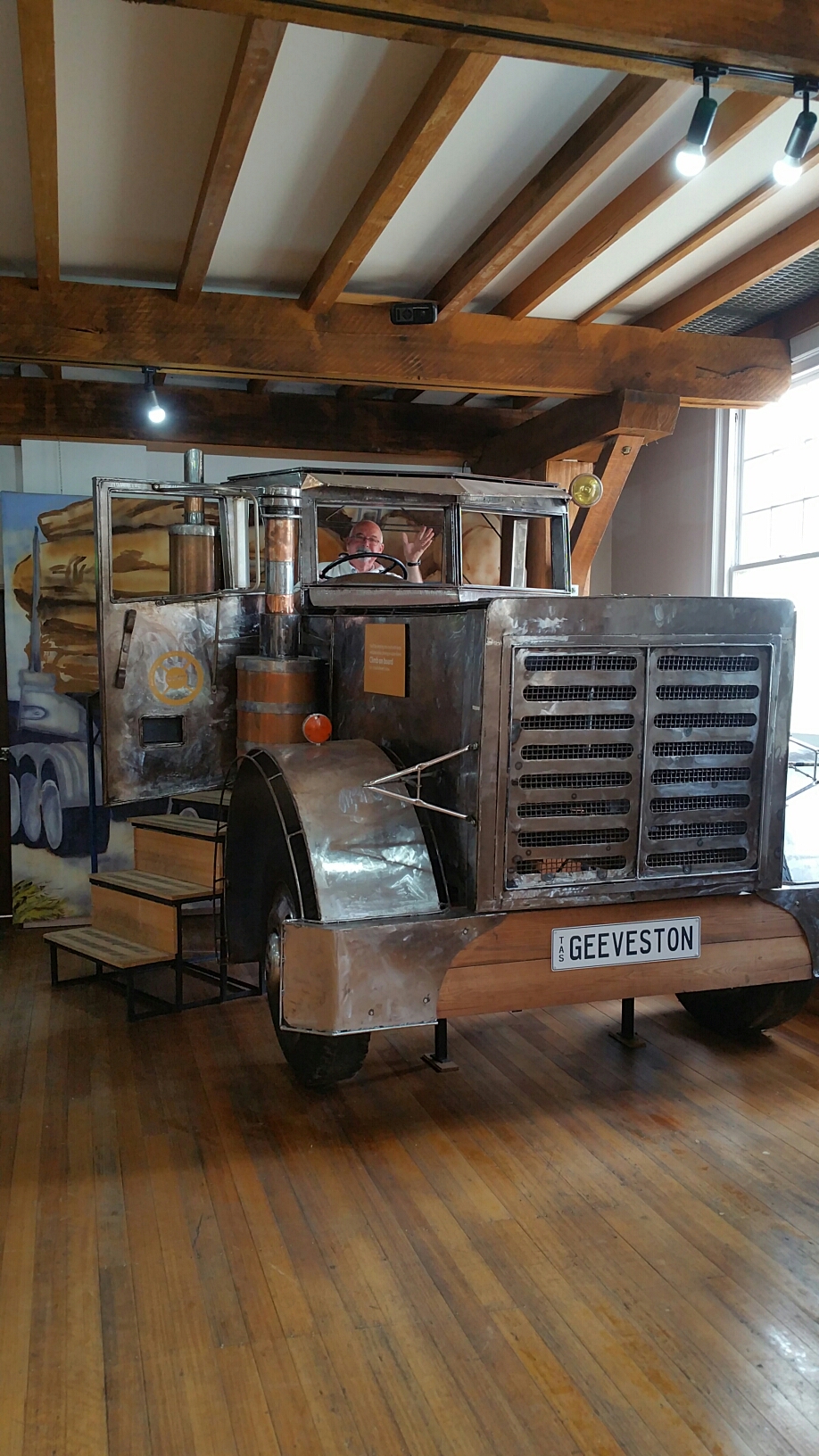
While based in Hobart we took a drive south west to Geeveston, a town in the Huon Valley. We had planned to stay there a couple of weeks later in the year and wanted to check the area out. There was also the possibility of a house sitting job so we went to meet the lovely homeowner who has lived in Geeveston for over 50 yrs. We were very kindly invited to have lunch at her home and we had a wonderful time getting to know Beverley, her grandson and his girlfriend. Geeveston has a strong apple growing and forestry heritage and is close to the Hartz Mountains National Park. We had also heard about the opportunity of seeing platypus in the river running through town. Beverley had never seen any so we were a little doubtful if we would be lucky enough to do so. Well they say patience is a virtue and on this occasion patience certainly paid off. The council have built a little platform over one of the banks of the river. We weren’t sure what to look for but there was an information sign nearby. It advised to keep an eye out for air bubbles rising to the surface and for ripples fanning out. We stood silently, watching closely and fairly soon we were rewarded with the most beautiful little creature paddling intently along the surface before suddenly diving down, out of sight. We watched for about 45 minutes as the platypus playfully moved along the river. It’s webbed paws propelling it along like a lean, mean swimming machine and before the blink of an eye, it dived down with ease and because the water in places was clear, we could follow it’s progress until it surfaced again. We had such fun watching and did so until finally he/she was out of view completely.

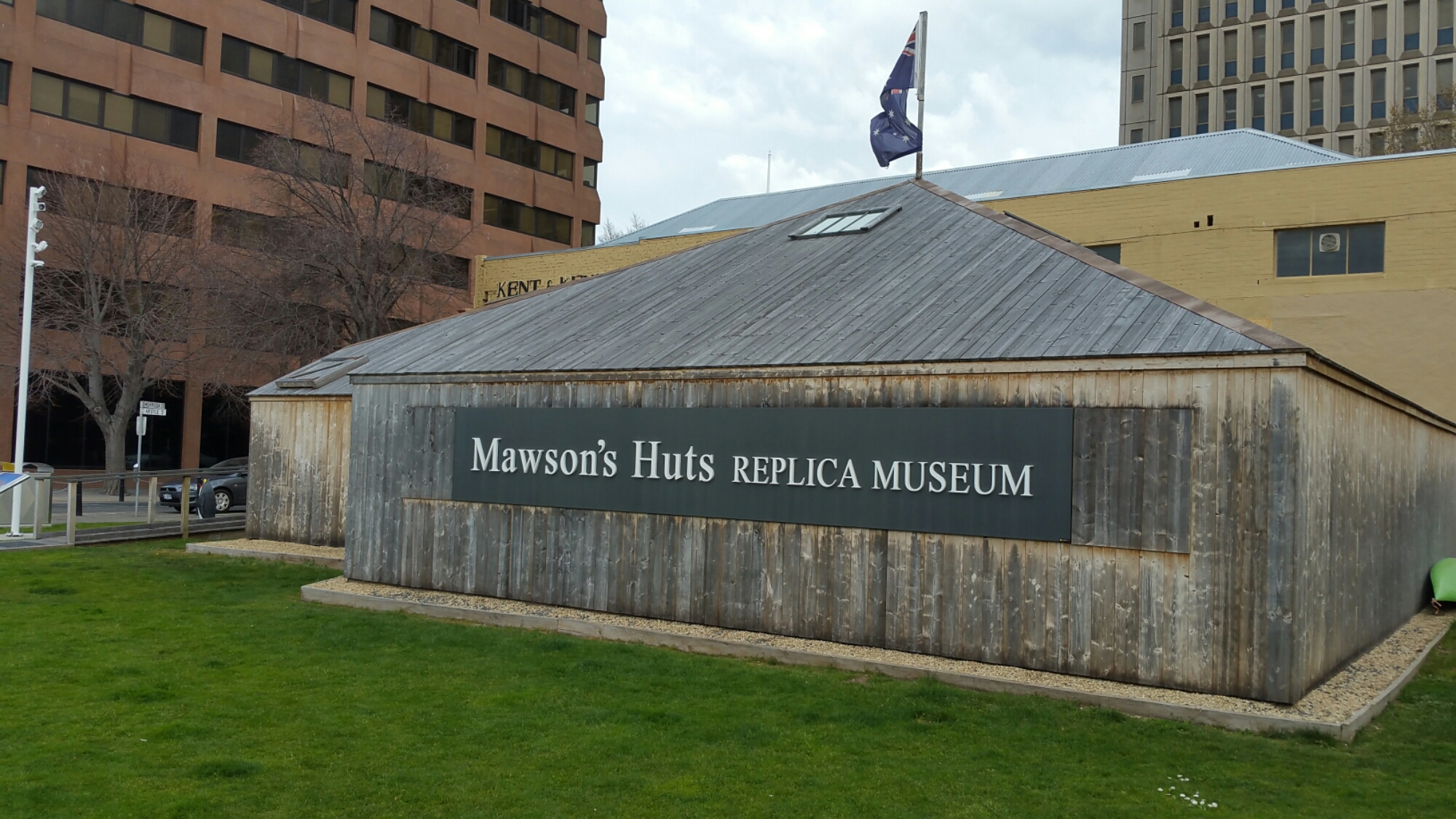
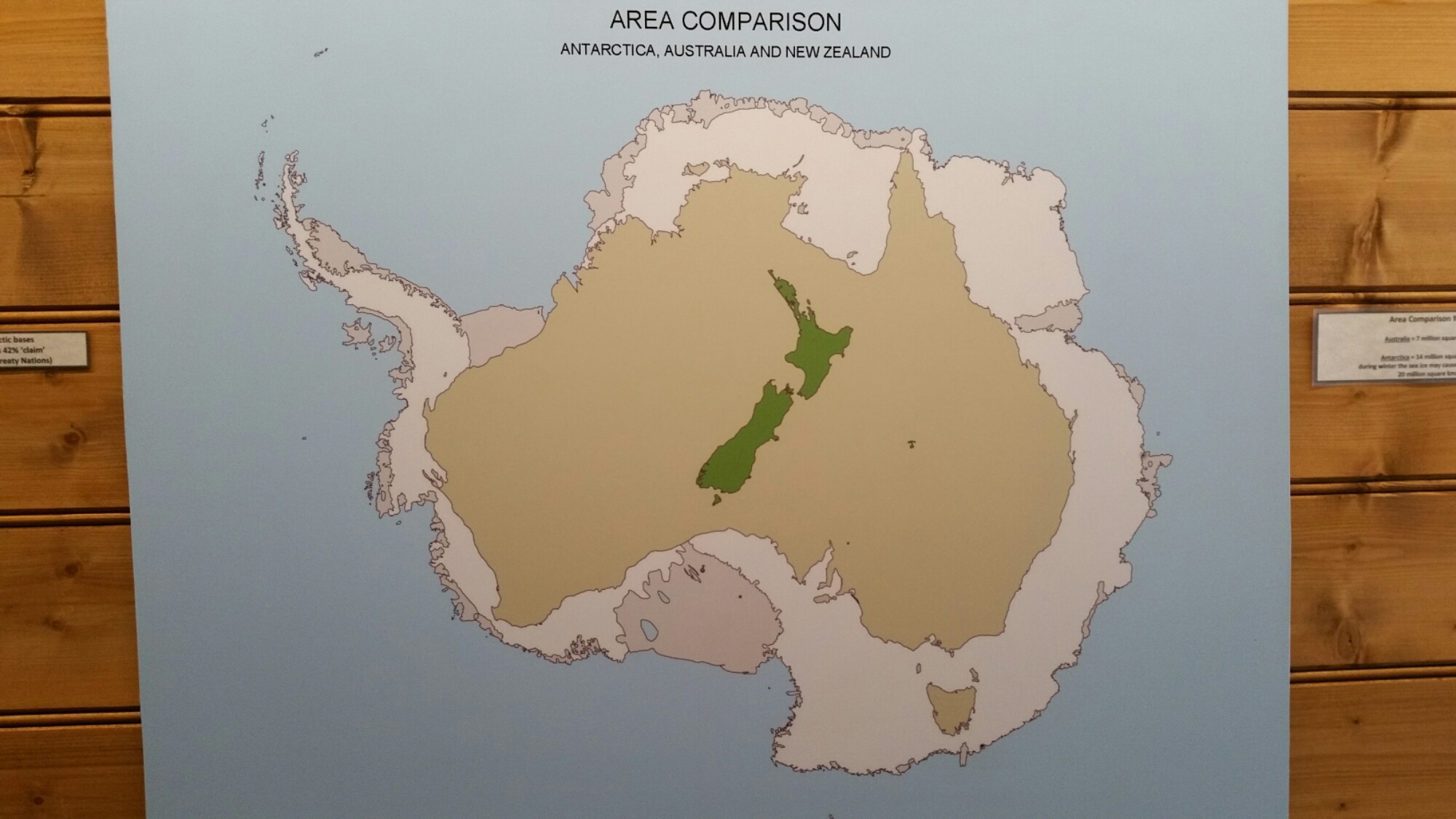
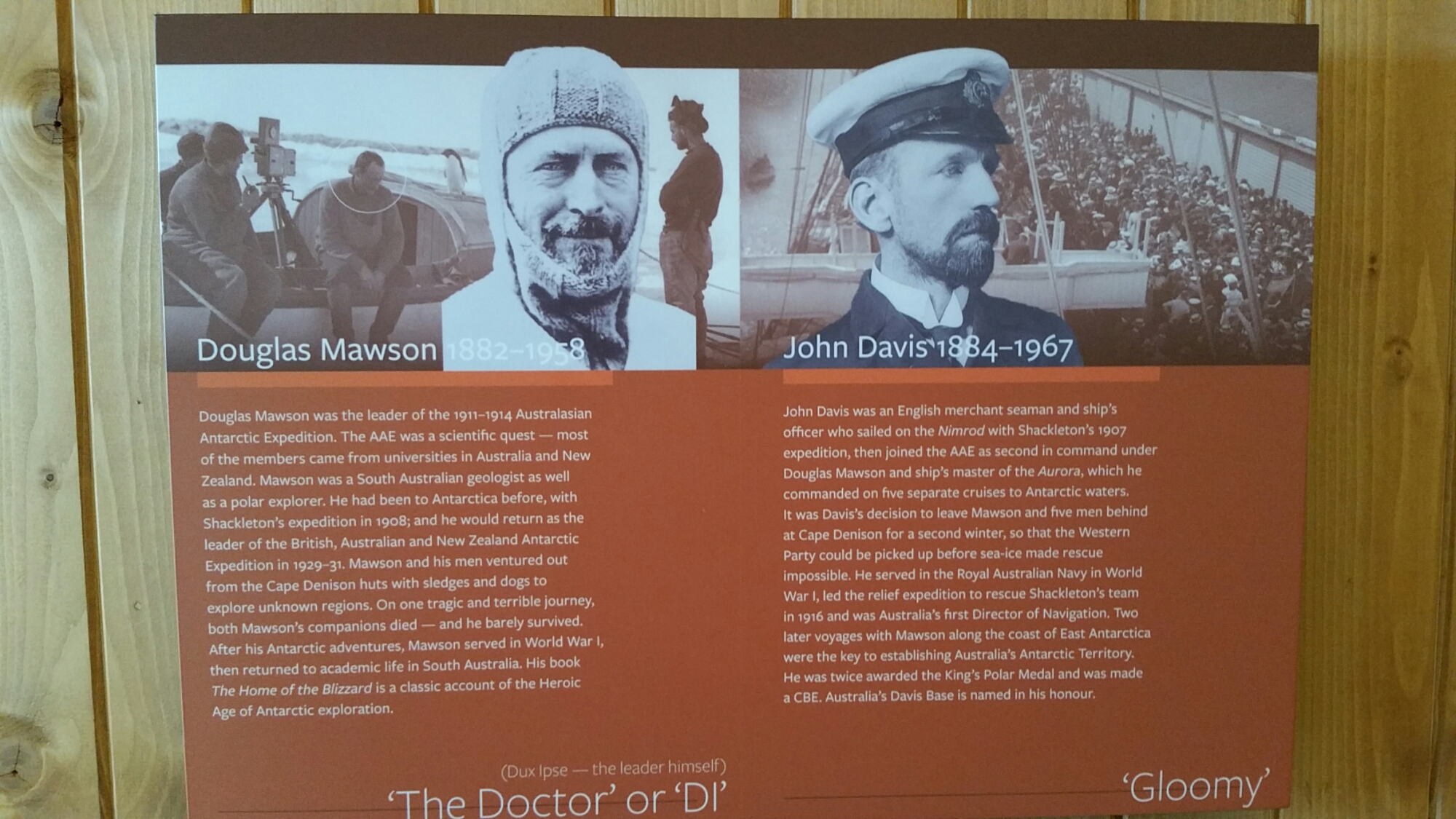
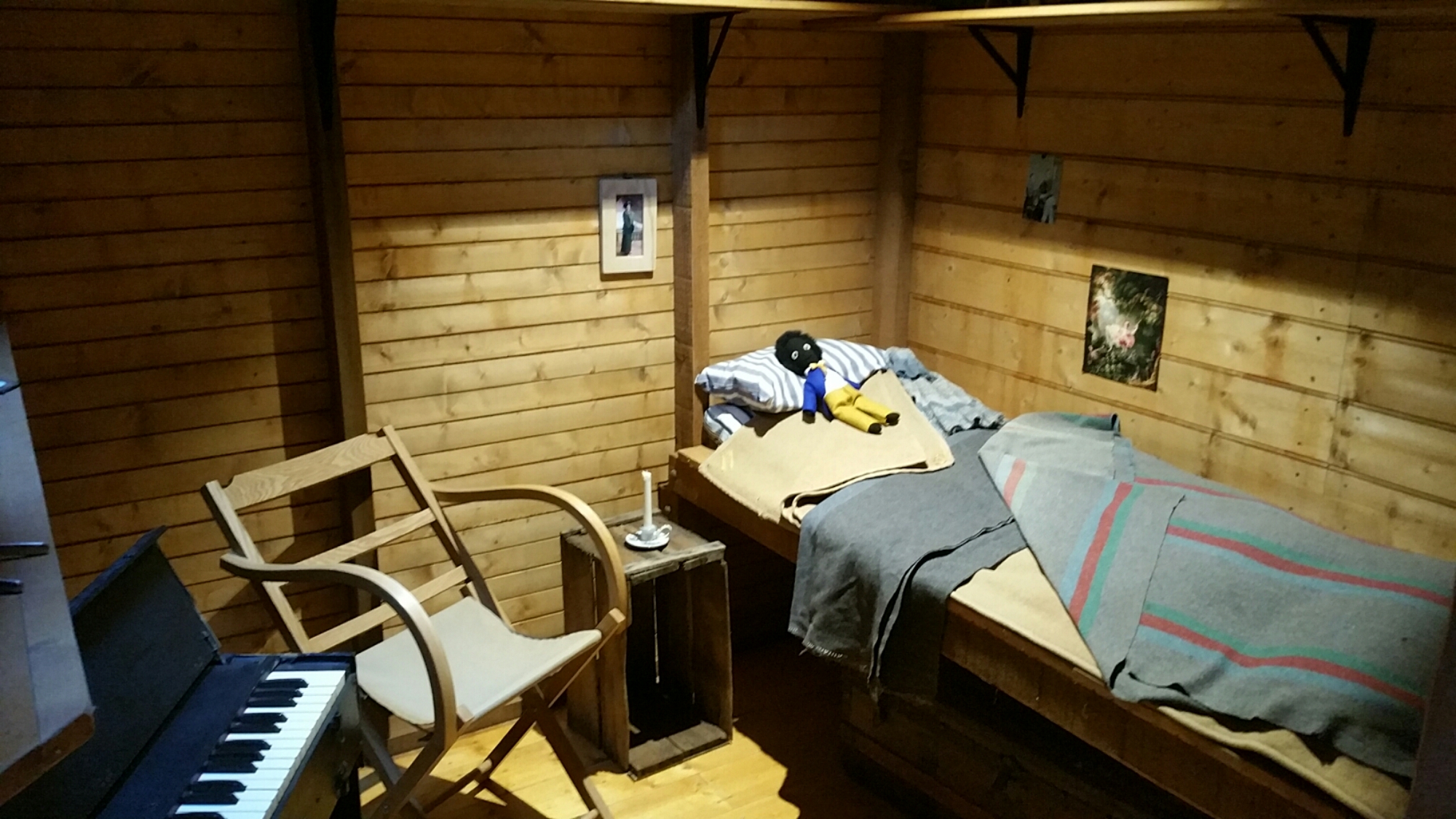
Back in Hobart we attended the Australian Antarctic Festival. Hobart is Australia’s Antarctic port and the festival celebrates the work done historically and currently.  We attended Mawson’s Huts Replica Museum which is a fascinating insight to the people and conditions of 1911-14.The museum is a replica of the huts constructed by the men of the Antarctic Expedition led by Dr Douglas Mawson during that period. The original are still in situ at Cape Denison, Antarctica.

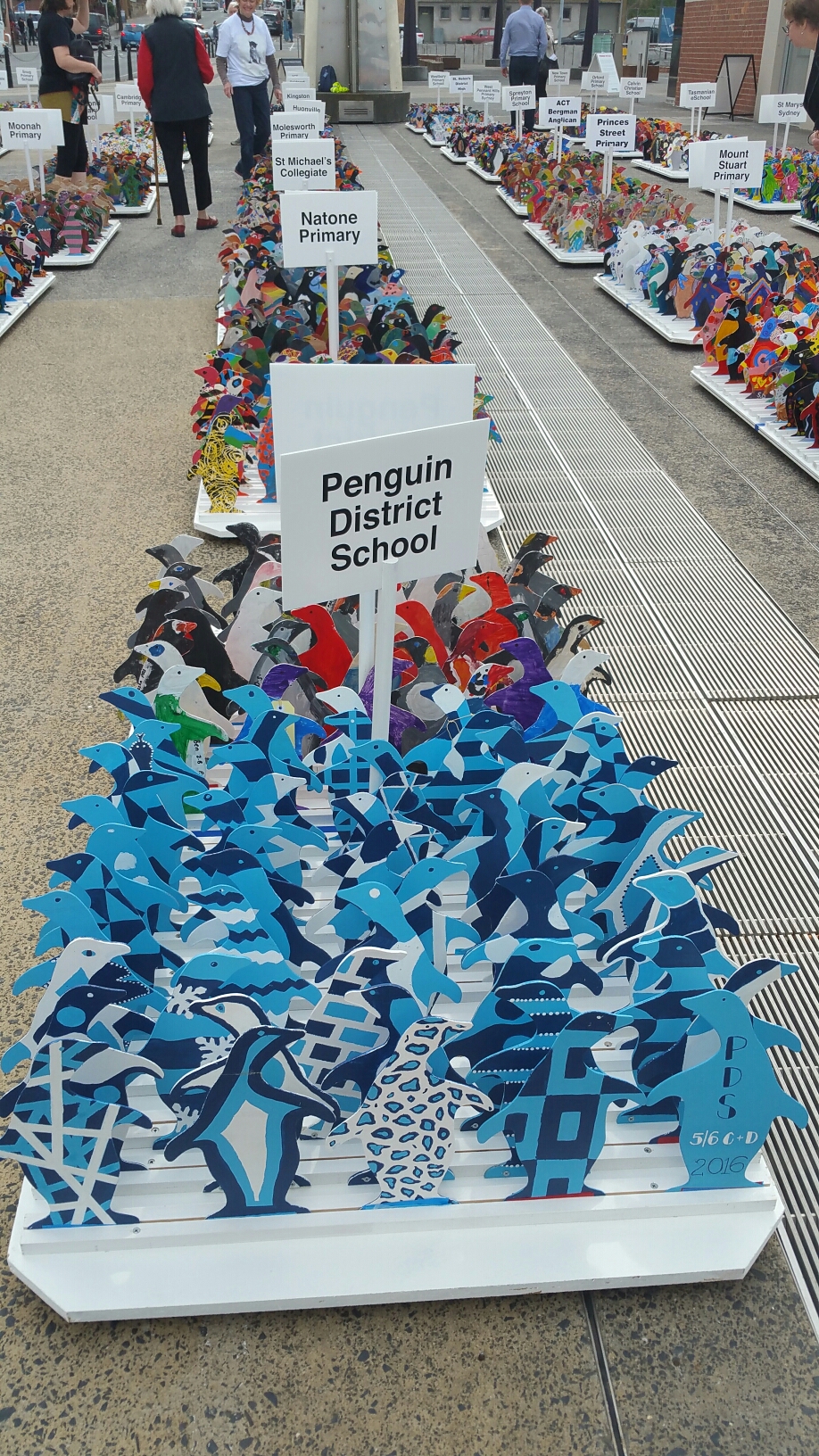
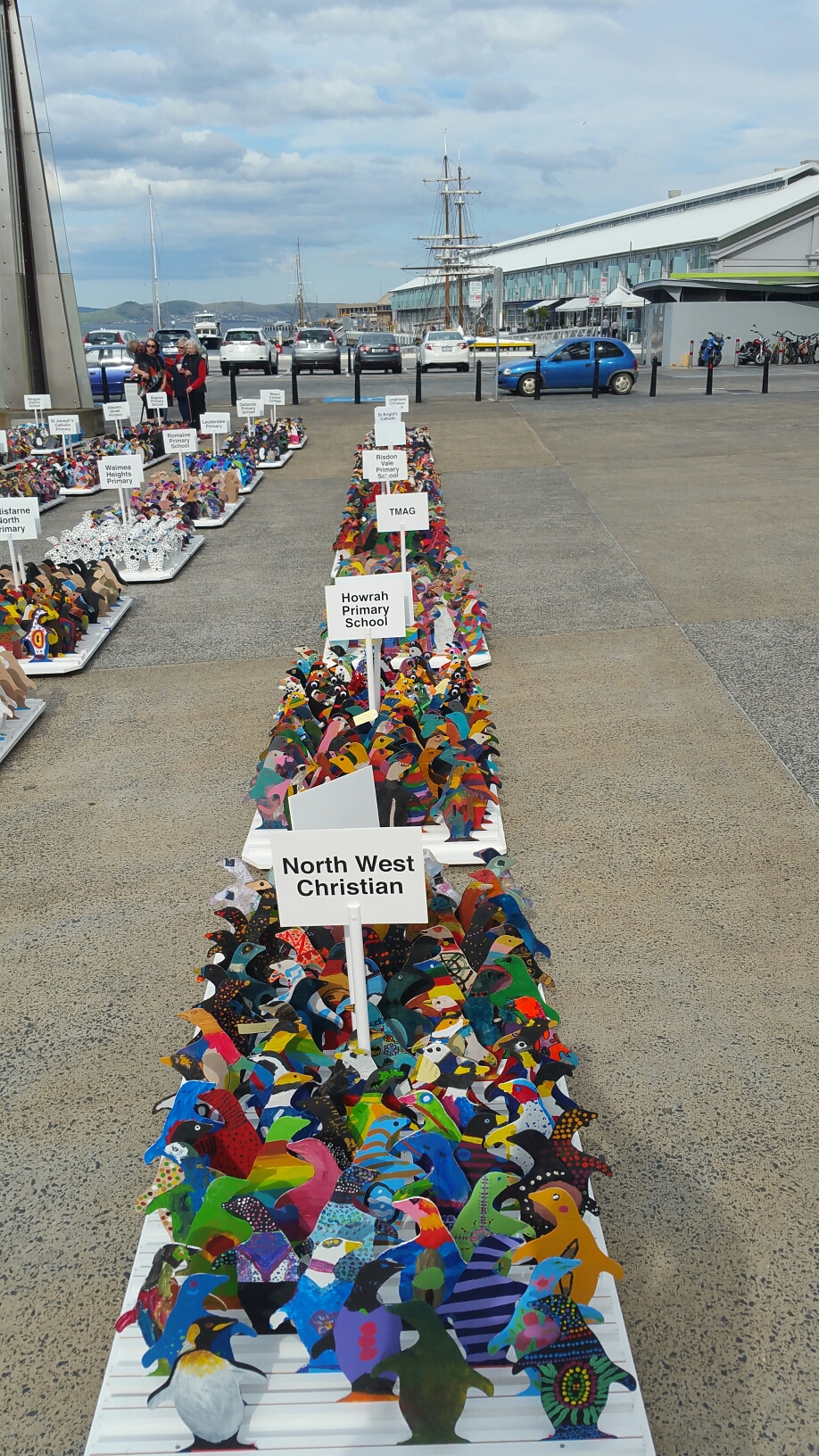
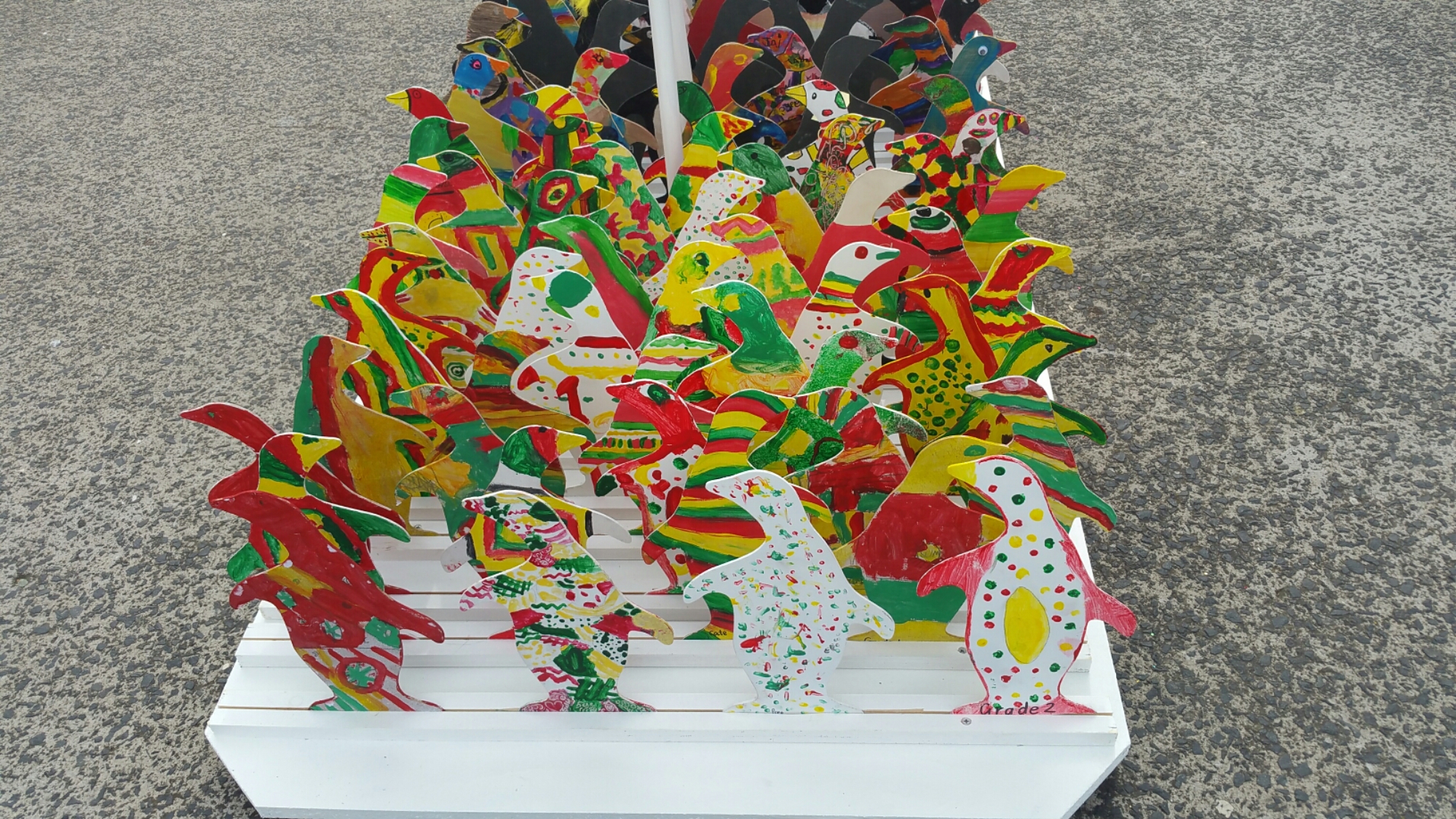
As part of the celebrations, the local schools had been invited to produce colourful paper penguins. These were displayed on the harbor front. 

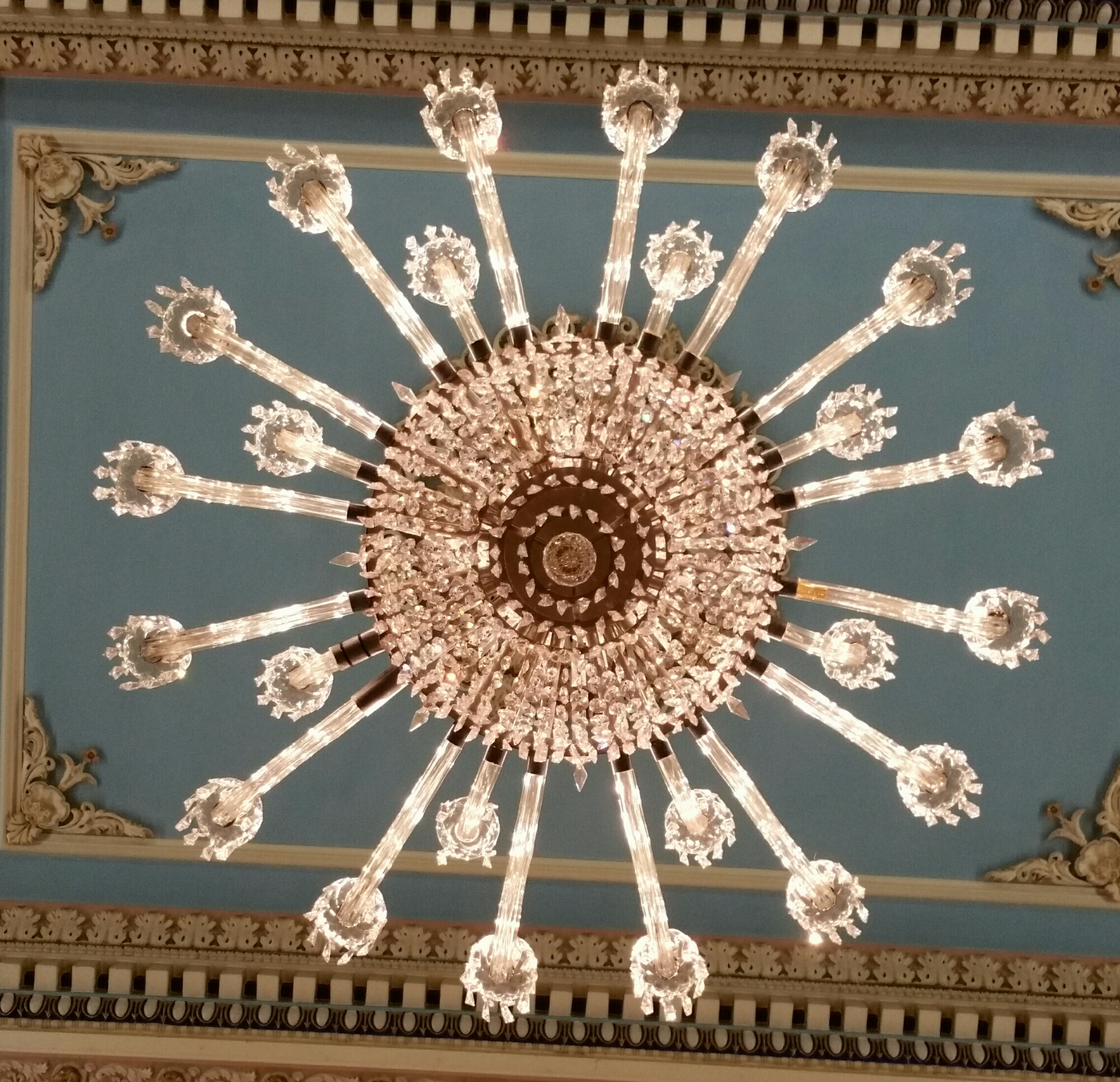
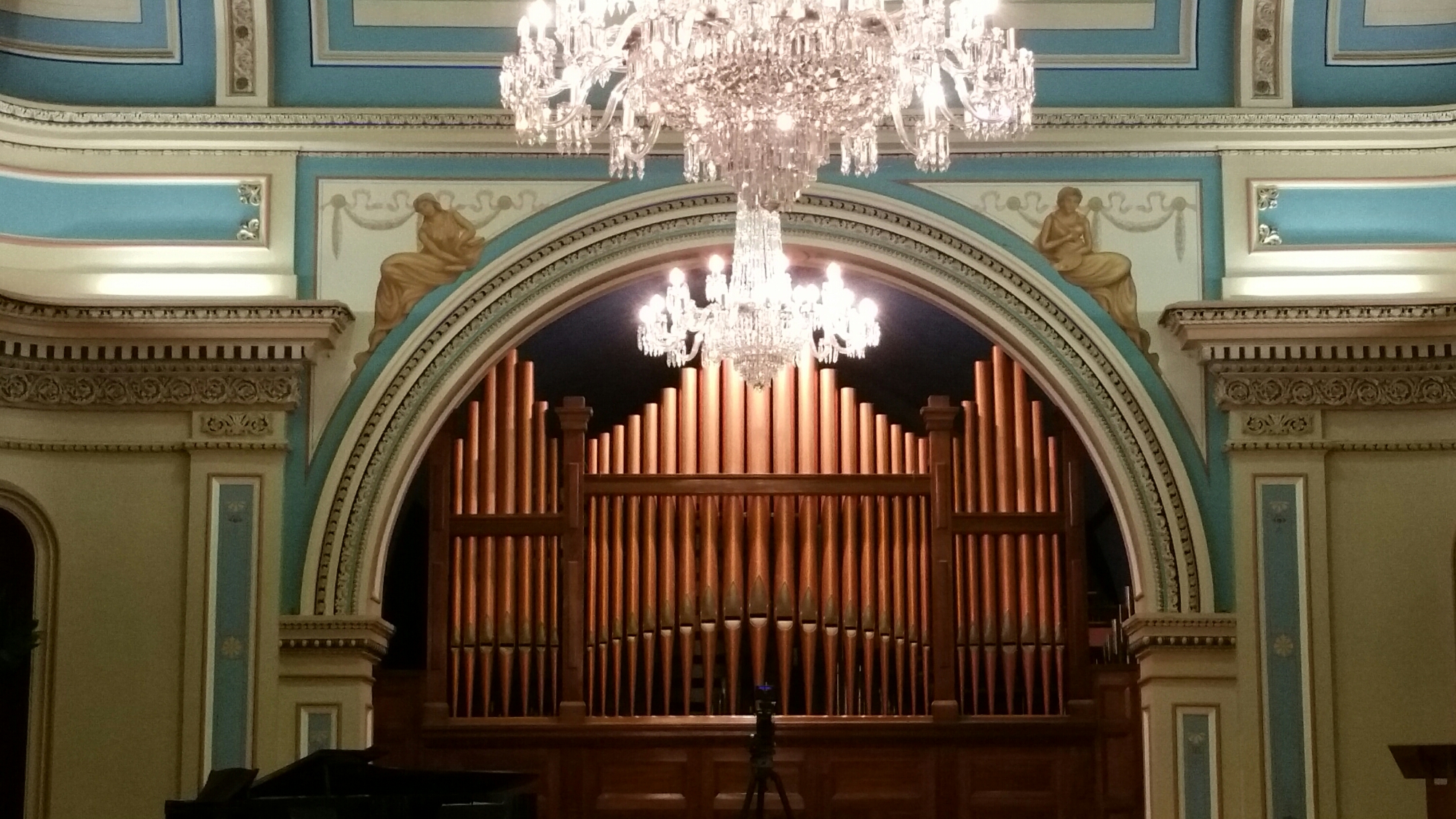
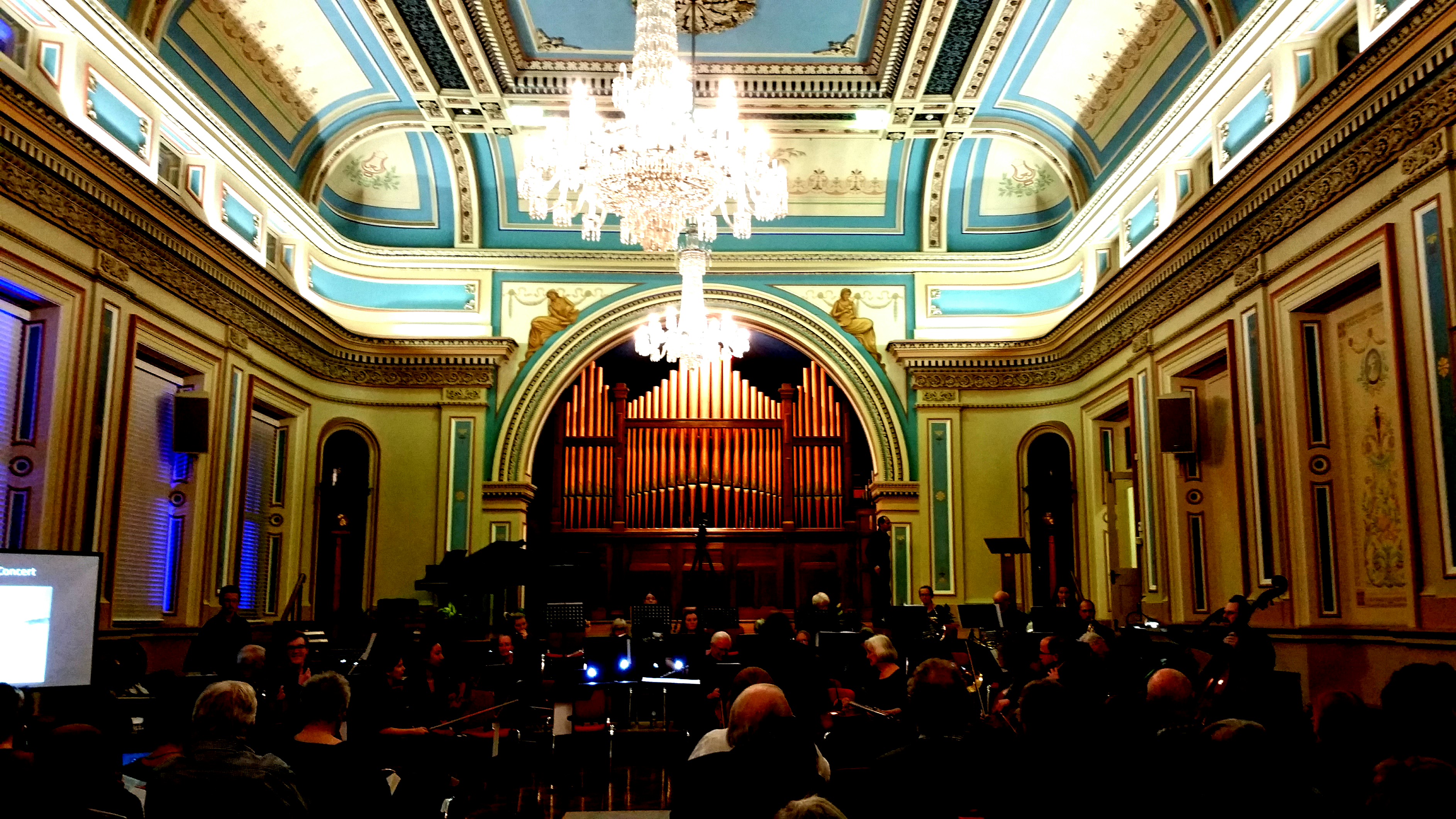
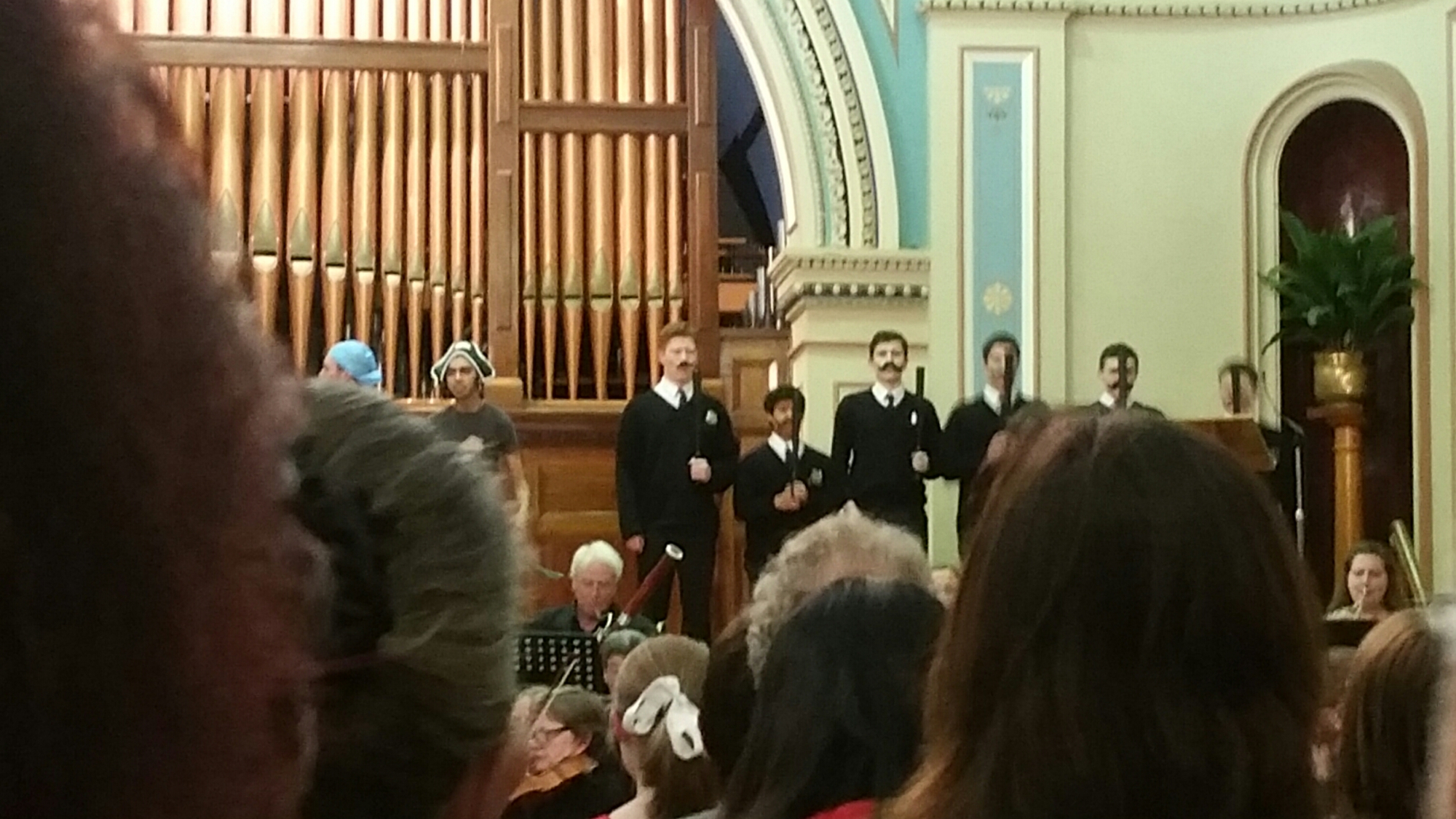
To top off our day in Hobart we attended a concert at the Hobart Town Hall. The Derwent Symphony Orchestra, church choirs and school choirs performed musical pieces that had been chosen from reading the diaries of Mawson and his men. We thoroughly enjoyed ourselves.

After two weeks in Hobart we headed north to Longford Riverside Caravan Park. Longford is near Launceston and situated on the Macquarie River. We were going to stay two weeks but stayed for three.

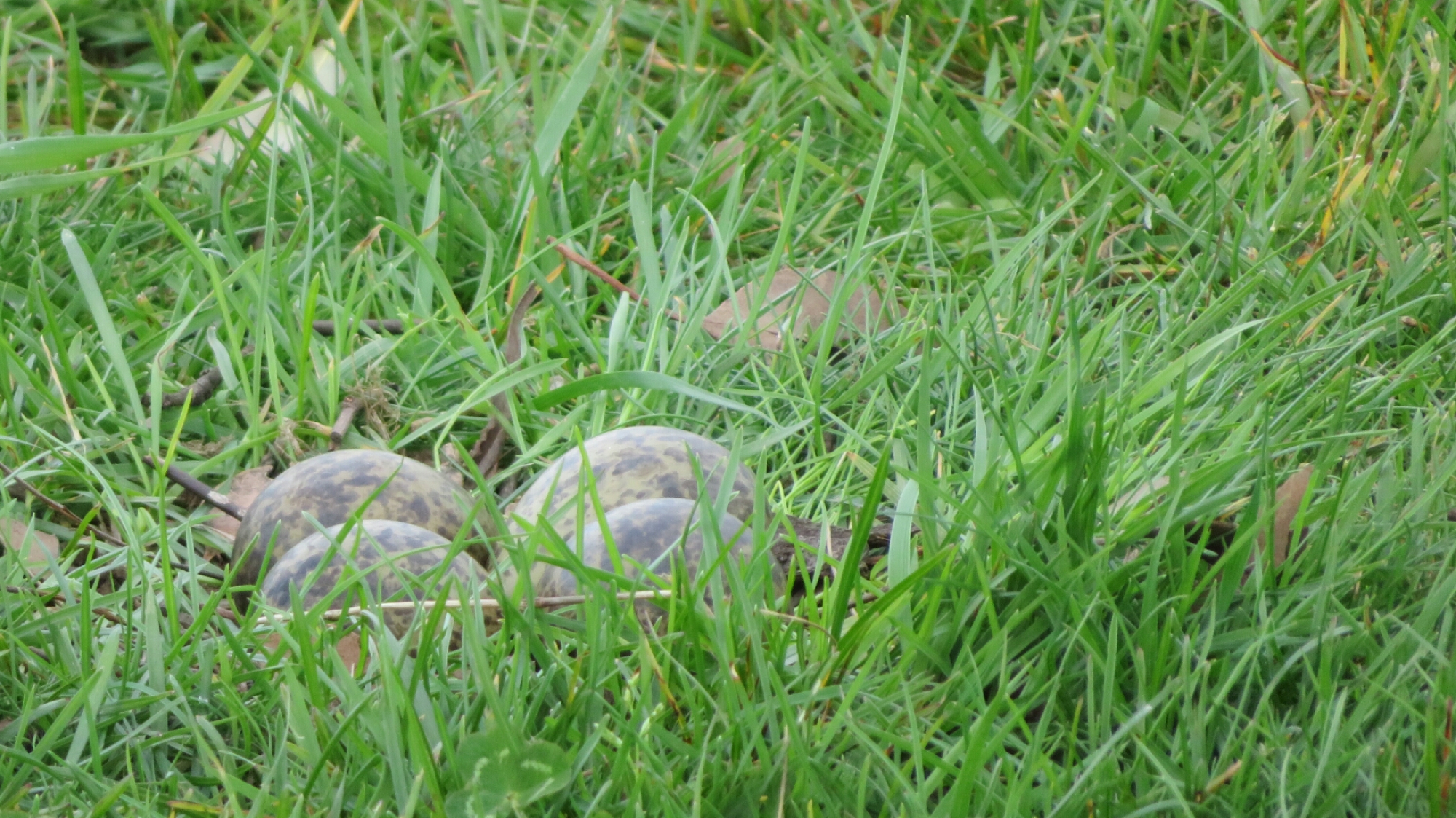
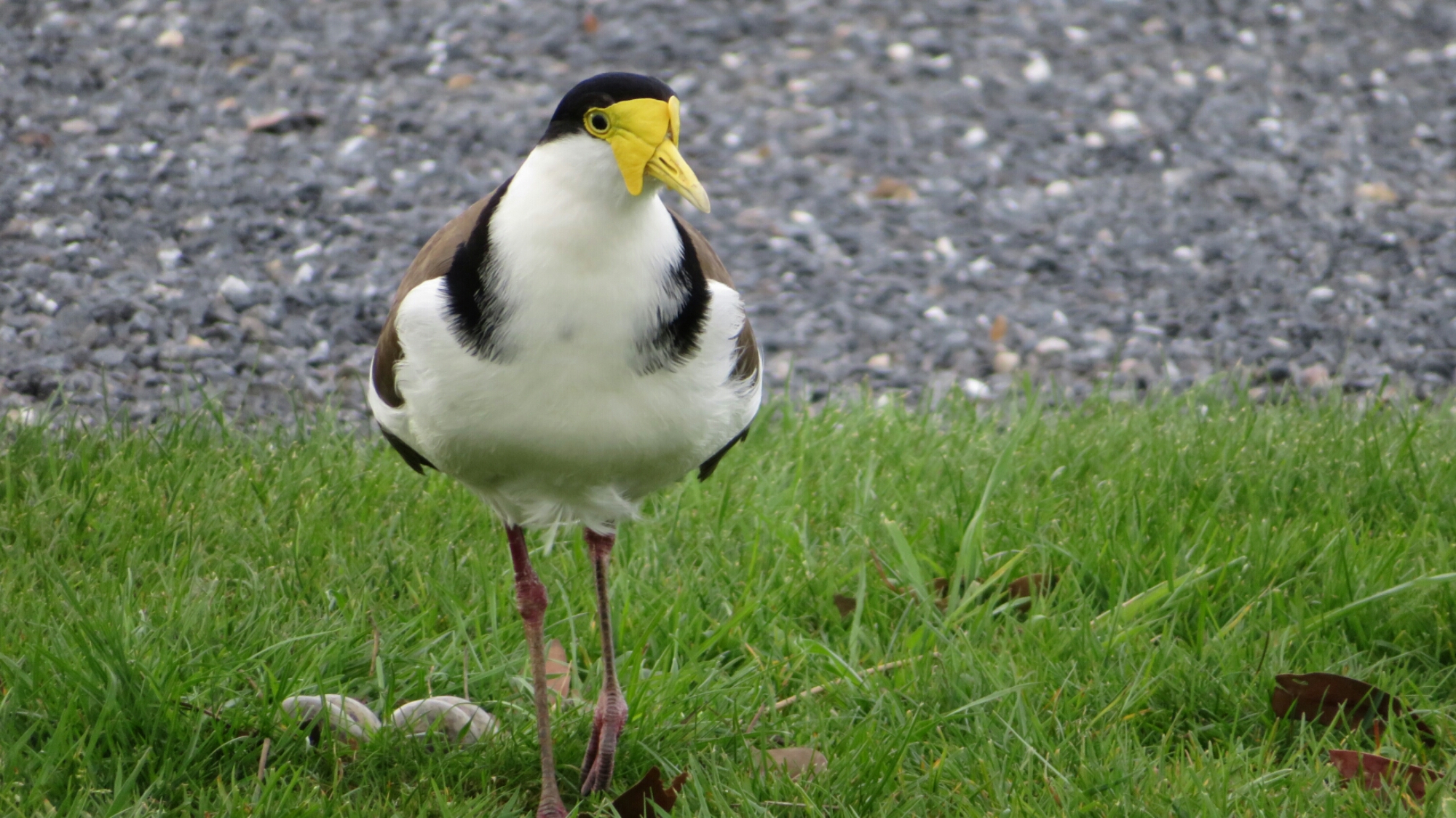
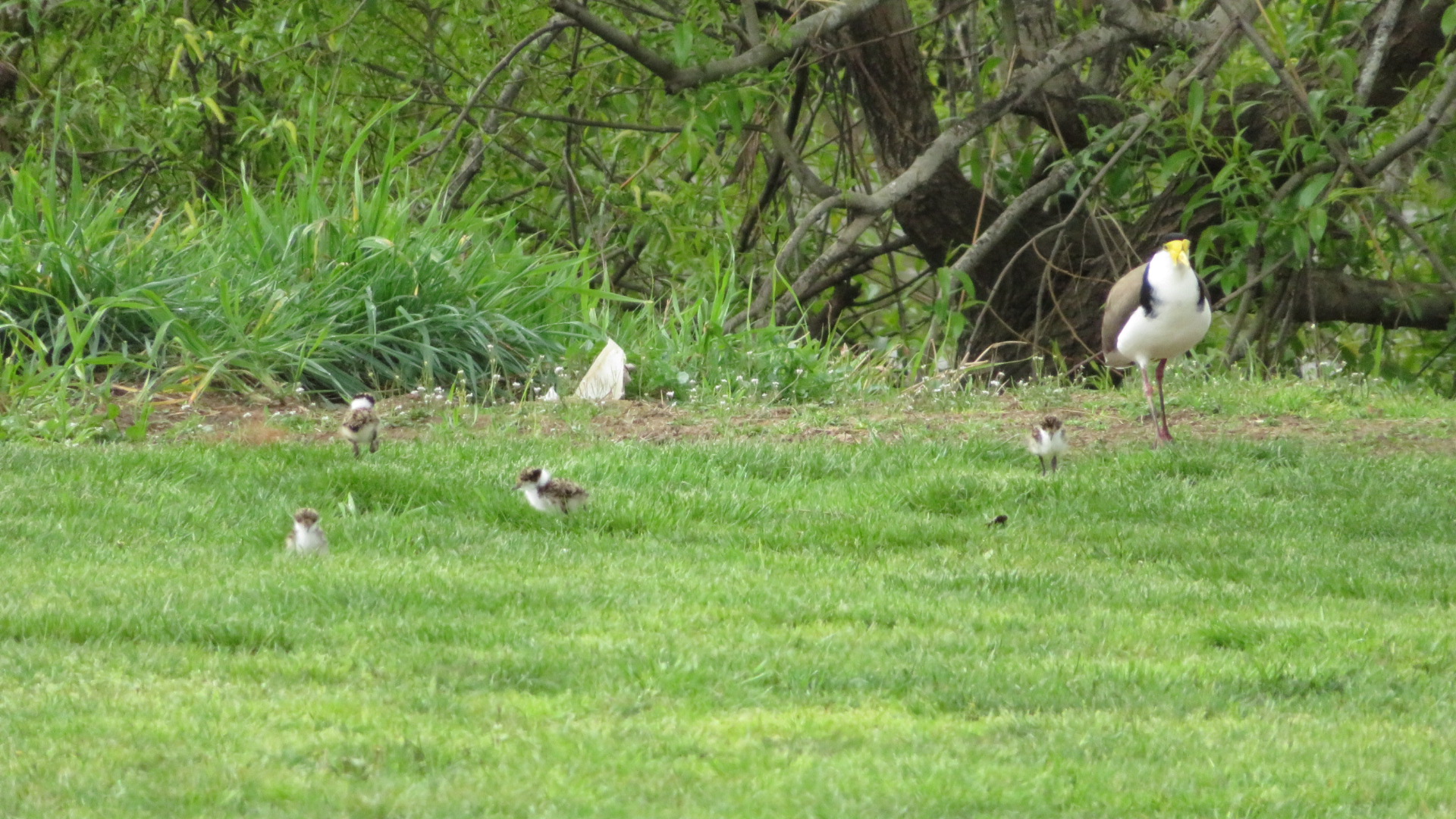
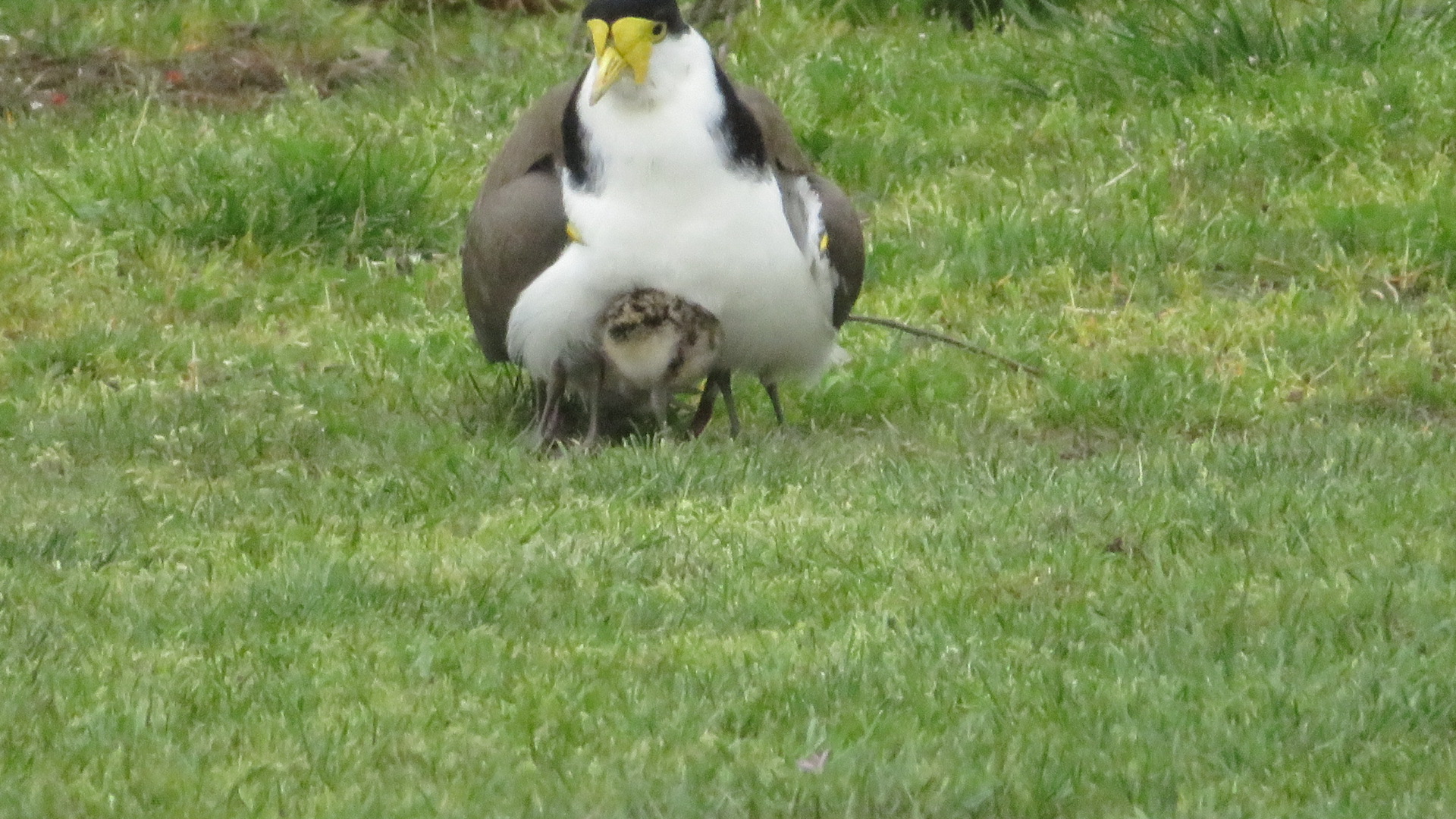
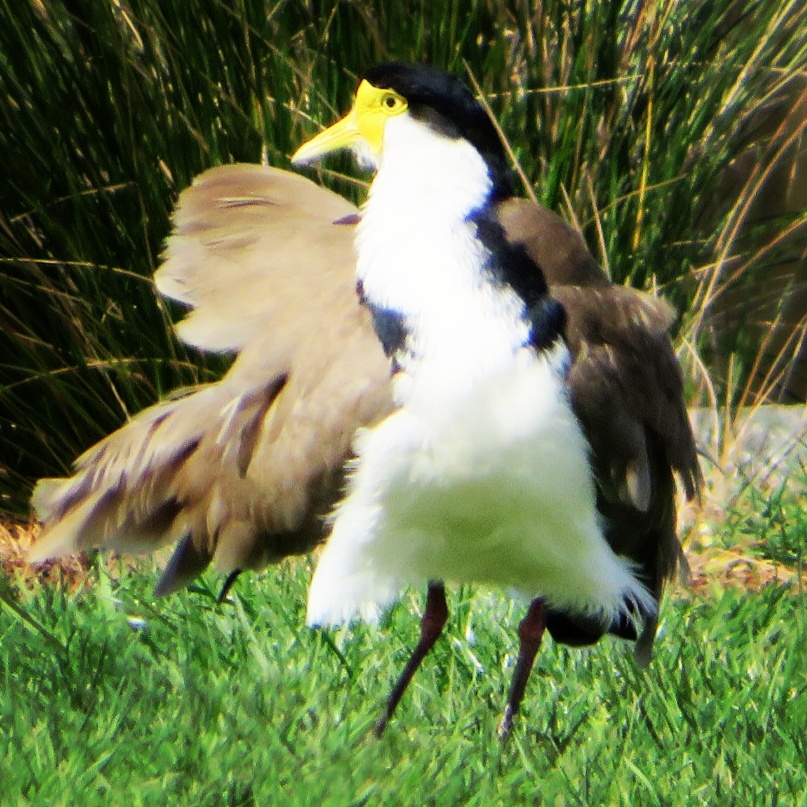
During our first few days we became aware of some birds living in the park. One was sitting on a clutch of eggs and we quickly found out how protective mum, dad and extended family members were. We learnt that the birds were Masked Wing Plovers and very territorial, particularly during the egg / baby chicks period. You couldn’t help pass the nest as it was on the ground on one of the powered sites near the amenities block. Jude was swooped a few times and Ray drove the car to the amenities to avoid them flying around him! Mum hatched four eggs and the chicks were cute to watch……from the safety of our caravan window!


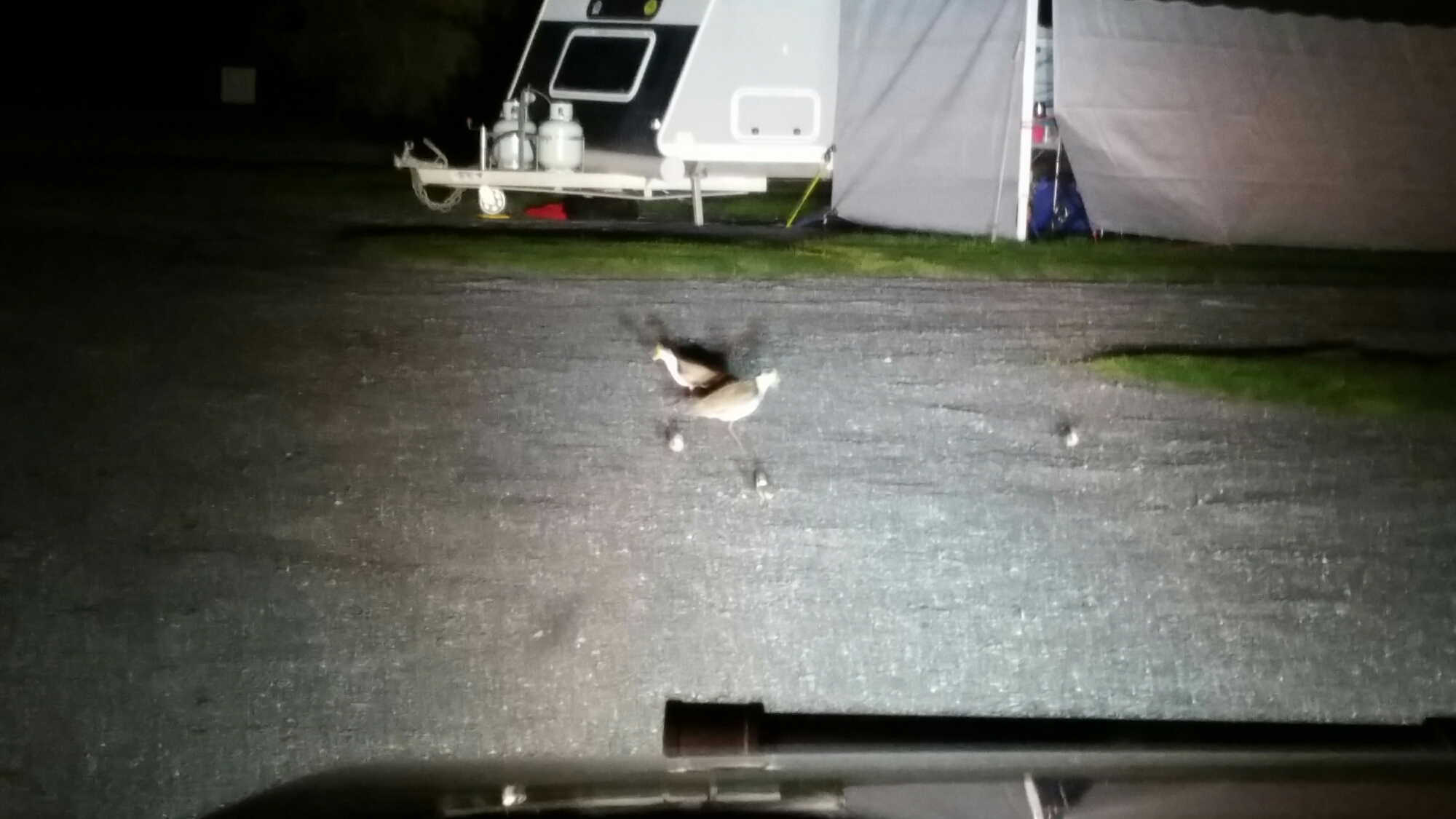
We came home late one night to find them all outside our van. It was cute watching mum shepherd them to safety.

A Seriously Good Adventure